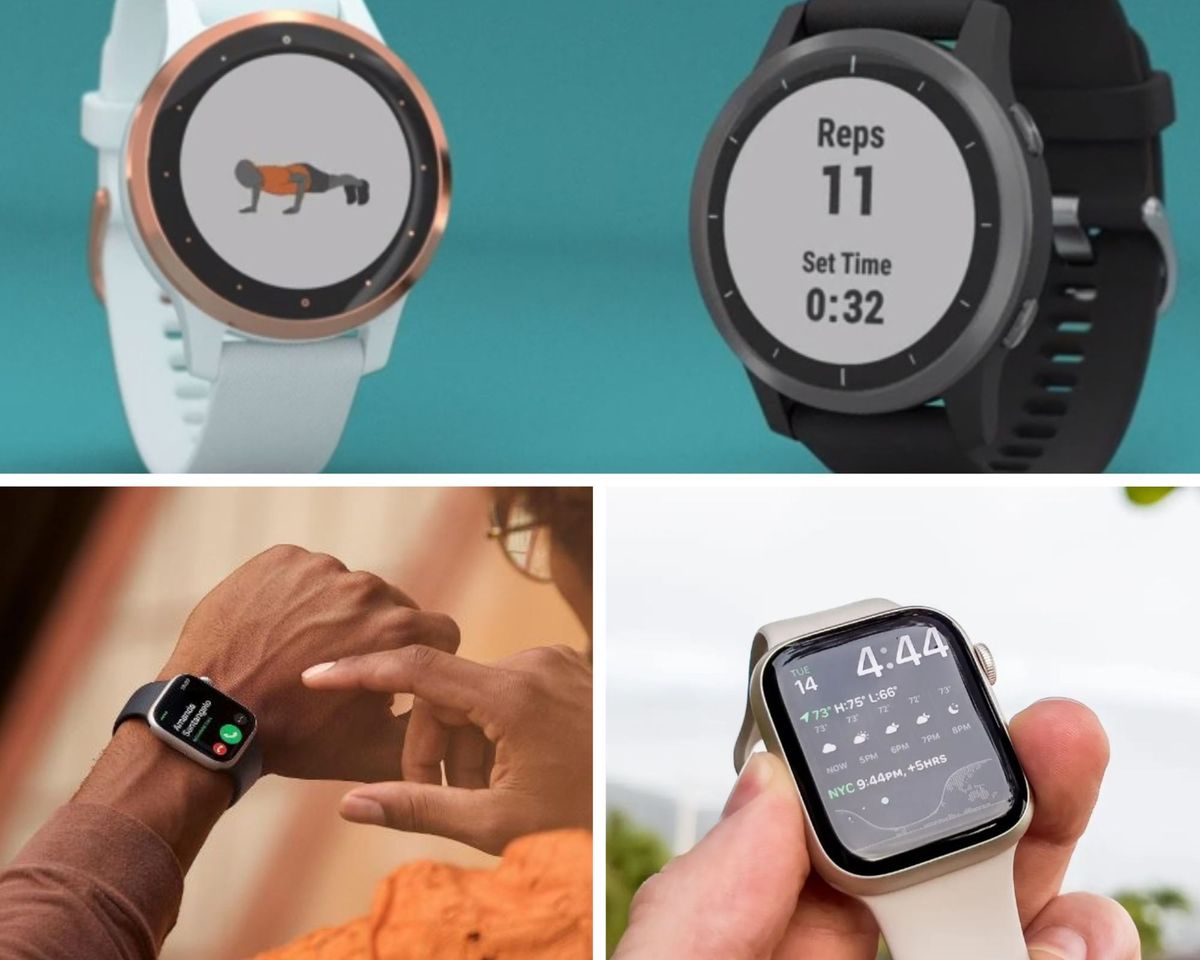
There was a time when a smartwatch basically counted steps, buzzed when somebody texted you, and, well... told the time. Nice little gadget. Not exactly life-changing.
That changed.
A cellular smartwatch can now make and receive calls, send messages, navigate with GPS, stream music, monitor workouts, and handle everyday tasks even when your smartphone isn't sitting in your pocket.
And that freedom is probably the biggest reason to buy one.
What Is the Best Cellular Smartwatch?
The best cellular smartwatch is one that provides LTE or cellular connectivity, works properly with your smartphone ecosystem, offers dependable GPS and health tracking, and has enough battery life for the way you actually use it.
For iPhone owners, the latest Apple Watch cellular models remain obvious contenders. Android buyers now have strong alternatives from Samsung and Google, including the Galaxy Watch9 LTE and Pixel Watch 4 LTE.
But don't just buy the newest watch because the marketing page looks shiny.
Compatibility matters. Battery life matters. Your cellular carrier matters too—and that last detail gets ignored surprisingly often.
Best Cellular Smartwatches to Consider in 2026
| Cellular Smartwatch | Best For | Cellular | Phone Compatibility | Notable Features |
|---|---|---|---|---|
| Samsung Galaxy Watch9 LTE | Best newer Android choice | LTE | Android | Independent LTE connectivity, health and fitness tracking, updated Galaxy ecosystem |
| Apple Watch Series 11 GPS + Cellular | Best for most iPhone users | Cellular | iPhone | Calls, messaging, fitness and health features, Apple ecosystem integration |
| Apple Watch Ultra 3 GPS + Cellular | Best premium/rugged option | Cellular + satellite features | iPhone | Rugged titanium construction, dual-frequency GPS, larger display, extended battery capability |
| Google Pixel Watch 4 LTE | Best for Pixel/Google users | 4G LTE | Android | Fitbit health tools, Google Maps, Gemini integration, Google Wallet |
| Samsung Galaxy Watch8 LTE | Best value Samsung alternative | LTE | Android | Sleep coaching, heart-rate tracking, fitness tools and mature Wear OS experience |
Editor's note: Prices and availability can move quickly on Amazon, especially when a newer generation launches. Check the current listing, seller, model number, and whether you're selecting the LTE/Cellular version rather than Bluetooth-only before ordering.
What Does Cellular Mean on a Smartwatch?
A cellular smartwatch contains its own cellular connection, usually through an eSIM or carrier-supported service, allowing certain functions to work when the paired smartphone isn't physically nearby.
Think of your smartphone and smartwatch as two musicians usually playing together.
Cellular gives the watch permission to occasionally perform solo.
Depending on the model, carrier, and plan, that can include:
- Making and receiving calls
- Sending messages
- Receiving notifications
- Streaming music
- Using navigation
- Accessing apps and online information
- Emergency communication features
A Bluetooth-only smartwatch generally needs your phone nearby—or a suitable Wi-Fi connection—to provide many of those same connected features.
That's the distinction shoppers need to understand.
Can a Cellular Smartwatch Work Without a Phone?
Yes, a cellular smartwatch can perform many functions without the paired smartphone being nearby, provided cellular service has been activated and the required feature is supported by the watch, carrier and plan.
It doesn't necessarily eliminate the smartphone.
You'll normally still need a compatible phone for initial setup, account management, certain apps, software updates, or particular health features.
But for a run around the neighborhood?
A quick trip to the store?
Walking the dog while your phone charges at home?
That's where cellular becomes genuinely useful.
Cellular Smartwatch vs. GPS Smartwatch: What's the Difference?
This naming causes endless confusion.
A GPS smartwatch uses satellite positioning to determine location, speed, distance, and routes.
A cellular smartwatch connects to a mobile network.
They're different technologies, although many premium smartwatches include both.
For example, a GPS-only watch may accurately record your five-mile run even when you leave your phone at home. But without Wi-Fi or cellular service, it may not be able to independently receive an incoming phone call during that run.
A GPS + Cellular watch potentially does both.
Small distinction. Big difference.
Why Buy a Cellular Smartwatch?
Leave Your Smartphone Behind
This is the killer feature.
Phones have become enormous. A modern smartphone bouncing around in shorts during a run feels like carrying a polished brick.
With a cellular watch, you can occasionally leave it behind.
That little moment—keys, watch, shoes, out the door—feels oddly refreshing.
Calls and Messages From Your Wrist
A compatible cellular smartwatch can keep important communications available without requiring constant access to your phone.
No frantic pocket search.
No rummaging through a bag while it rings.
Glance down. Decide whether the call deserves your attention.
Sometimes it doesn't.
That's nice too.
GPS Navigation on Your Wrist
Smartwatch navigation has become genuinely useful.
Instead of wandering down a city sidewalk holding a phone in front of your face, directions can appear on your wrist. On supported watches, navigation can also integrate with cellular data and downloaded maps.
Cyclists, runners, walkers, and travelers may appreciate this more than anyone.
Fitness and Health Information
Modern smartwatches can monitor numerous fitness and wellness metrics, depending on the model.
Common capabilities include:
- Heart-rate monitoring
- Workout tracking
- GPS distance and pace
- Sleep information
- Activity trends
- ECG functionality on supported devices
- Fall-detection or emergency features on selected models
There's an important distinction here, though.
A consumer smartwatch is not a replacement for professional medical diagnosis.
Health metrics can be useful for spotting patterns and encouraging healthier habits, but measurements and calorie estimates aren't perfect. Treat wearable health information as information—not a doctor strapped to your wrist.
Can a Smartwatch Call 911 Without a Phone?
Some cellular smartwatches provide emergency calling and safety functions without the paired phone being physically nearby, although exact behavior depends on model, location, carrier activation and available network service.
Features can include emergency SOS, fall detection and automatic emergency assistance on supported models.
If emergency communication is one of your main reasons for buying a smartwatch, check the manufacturer's exact requirements before purchasing rather than assuming every cellular model behaves identically.
It's one area where details really matter.
How to Choose the Best Cellular Smartwatch
1. Start With Your Smartphone
This eliminates half the confusion immediately.
Have an iPhone?
Look first at Apple Watch.
Have Android?
Samsung and Google should be near the top of the list.
Buying a watch first and worrying about compatibility later is backwards. Like buying tires and then shopping for the car.
2. Make Sure You're Buying the Cellular Version
Be careful here.
Manufacturers frequently sell virtually identical watches as:
GPS/Bluetooth
and
GPS + Cellular/LTE
Amazon listings sometimes place different configurations on the same product page.
Read the selected configuration before clicking Buy Now.
The cheaper version may be cheaper for a reason.
3. Check Your Cellular Carrier
Before purchasing an LTE smartwatch, verify compatibility with your wireless carrier.
Major U.S. networks support many mainstream Apple, Samsung and Google watches, but plans, activation charges and standalone functionality vary.
That tiny monthly charge can sneak up on you.
Five dollars here, ten dollars there... suddenly your wrist has a subscription.
4. Consider Battery Life
Cellular connections use battery power.
So do:
GPS.
Always-on displays.
Workout tracking.
Music streaming.
Basically everything fun.
Manufacturer battery claims are useful for comparison, but actual battery life changes dramatically according to settings and usage. Someone checking notifications occasionally will get different results from a runner streaming music over LTE while tracking GPS for two hours.
5. Think About Size
Smartwatch dimensions look harmless on a product page.
Then the package arrives, and you've apparently strapped a dinner plate to your wrist.
Case sizes around 40–42mm can feel more compact, while 44–49mm models generally provide more screen space and sometimes larger batteries.
Try one on if possible.
Comfort beats specifications after hour number eight.
6. Don't Overpay for Health Features You Won't Use
It's easy to become mesmerized by sensor lists.
ECG. Sleep scores. Temperature measurements. Training readiness. Body composition. Stress measurements. Recovery metrics.
Wonderful.
But if you're mainly buying a watch so you can answer calls while walking the dog, you may not need the most expensive wearable on Earth.
Buy for your life—not the specification sheet.
Is a Cellular Smartwatch Worth It?
A cellular smartwatch is worth considering if you regularly want calls, messages, navigation or connected services without carrying your smartphone.
Runners are an obvious example.
So are cyclists, gym users, outdoor workers and parents who don't necessarily want a phone permanently glued to one hand.
For someone whose smartphone is always within three feet?
Bluetooth or GPS-only may be perfectly adequate—and cheaper.
Cellular isn't automatically better.
It's better when independence matters.
That difference is the entire buying decision, almost.
Which Cellular Smartwatch Should You Buy?
If you're an iPhone user, start by comparing the Apple Watch Series 11 GPS + Cellular with the Apple Watch Ultra 3. The Series 11 suits mainstream everyday use; the Ultra 3 targets buyers wanting something more rugged and premium.
If you're an Android user, the Samsung Galaxy Watch9 LTE deserves a close look. Samsung users in particular should benefit from the tighter ecosystem integration.
For Google and Pixel fans, the Pixel Watch 4 LTE remains an attractive choice, especially if Fitbit-style health and fitness information matters to you.
And bargain hunters?
Watch the Galaxy Watch8 LTE price.
New-product launches have a funny habit of making perfectly good older electronics suddenly look much more sensible.
Final Verdict
The modern cellular smartwatch has moved well beyond being a notification screen attached to a strap.
It can become your navigator, workout companion, communications device, wallet and occasional escape route from that phone you swear you're not addicted to.
The important thing isn't buying the watch with the longest feature list.
Choose one that fits your phone, carrier, wrist, activities—and your tolerance for charging another electronic object.
Then, once in a while, leave the smartphone behind.
It feels weird at first.
Then rather good.
Need help? We've done the research for the best smartwatches for you and found the Best Smartwatch on Amazon. Every day, we read hundreds of reviews and try the highest-rated products we have on our list.
Best Smartwatch - Reviews
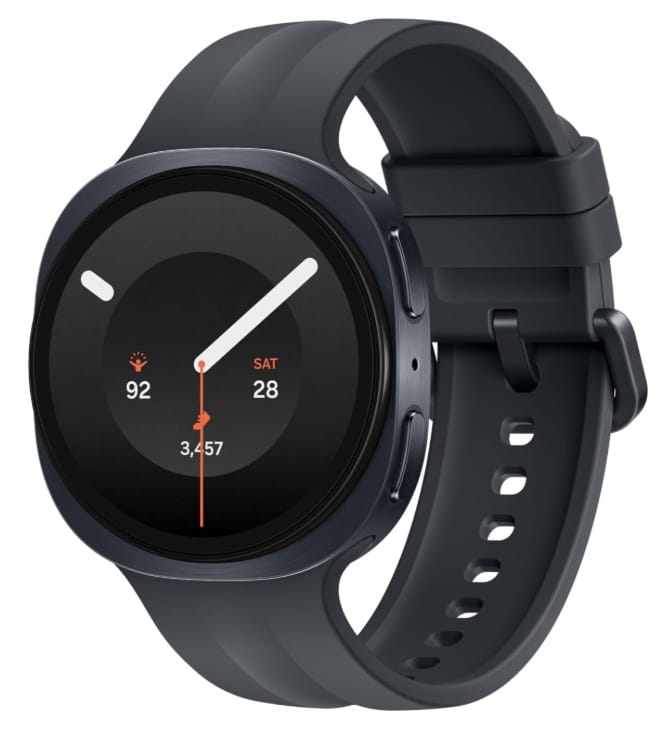
1. Samsung Galaxy Watch9 LTE — A New Android Cellular Smartwatch Worth Watching
Product information
Samsung has moved the Galaxy Watch line forward again.
The Galaxy Watch9 LTE is especially interesting if you're already using an Android phone—and more so if you're inside Samsung's Galaxy ecosystem. The LTE edition can stay connected independently for functions such as calling when your phone isn't nearby, subject to carrier support and your wireless plan.
That's the whole cellular-smartwatch idea in one sentence really: leave the phone behind without disappearing from civilization.
The Watch9 also pushes deeper into health and fitness tracking. Heart-rate information, workout tracking, sleep tools and personalized fitness information have become a major part of Samsung's wearable strategy.
Some people love that. Others might look at all those numbers before breakfast and think, "I was perfectly happy not knowing."
Fair point.
Best for:
Android users wanting one of Samsung's newest LTE smartwatches.
Why consider it:
- LTE connectivity
- Calling without carrying your phone nearby
- GPS and fitness tracking
- Sleep and health features
- Strong Samsung/Android integration
- Newer-generation hardware
Important: Some features can depend on the smartphone paired with the watch, region, carrier, and Samsung services.
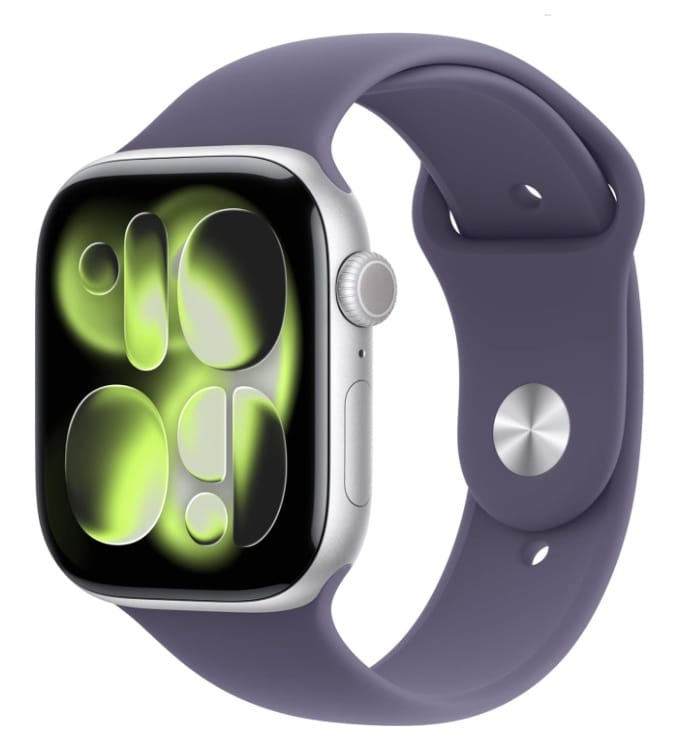
2. Apple Watch Series 11 GPS + Cellular — Best Cellular Smartwatch for Most iPhone Owners
Product information
For someone carrying an iPhone, the decision becomes considerably easier.
The Apple Watch Series 11 GPS + Cellular keeps Apple's familiar formula but allows you to step away from the phone itself. Go for a walk. Head to the gym. Run into the grocery store for milk and somehow leave carrying fourteen other things—you know how that goes.
Your watch remains on your wrist.
With an eligible cellular setup, the watch can help keep calls, messages, and other connected functions within reach without requiring your iPhone to be physically beside you.
That can feel surprisingly liberating.
You don't realize how often you unconsciously reach for a phone until it's sitting at home.
Best for:
Most iPhone users who specifically want cellular connectivity.
Why consider it:
- GPS + Cellular models available
- Calls and messaging from your wrist
- Apple ecosystem integration
- Extensive fitness tracking
- Health-monitoring capabilities
- Large smartwatch app ecosystem
The biggest limitation is equally obvious: Apple Watch is designed for iPhone users.
Android owner? Keep walking.
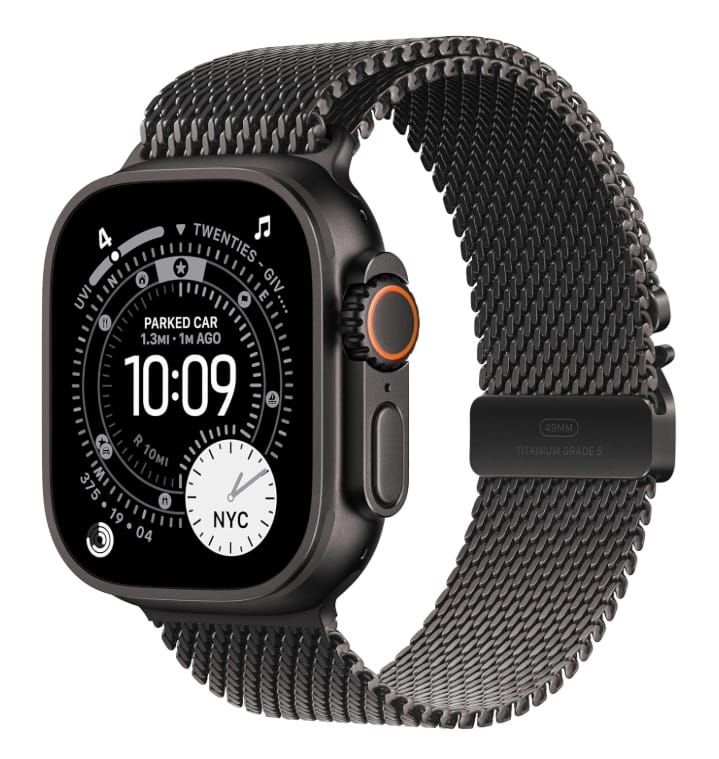
3. Apple Watch Ultra 3 — Best Premium Cellular Smartwatch for Adventure and Fitness
Product information
Then there's the Apple Watch Ultra 3.
It is bigger, tougher, and considerably more serious-looking. Maybe slightly ridiculous if its most dangerous weekly adventure is walking around Costco—but that's part of the charm.
Amazon's current listing highlights built-in cellular capability, satellite communications, a rugged titanium case, dual-frequency GPS and Apple's largest, brightest Watch display.
This model makes more sense for runners, hikers, outdoor enthusiasts, endurance athletes and people who simply want Apple's premium smartwatch rather than its mainstream version.
The improved independence is particularly attractive outdoors. GPS, communications and navigation tools on the wrist can become useful very quickly once a phone is inconvenient to carry—or unavailable.
Best for:
Outdoor use, serious fitness tracking and premium iPhone setups.
Why consider it:
- GPS + Cellular
- Satellite communication capability
- Rugged titanium construction
- Dual-frequency GPS
- Large display
- Longer battery capability than standard Apple Watch models
Do you need one?
Probably not.
Will some people want one the moment they see it? Absolutely.
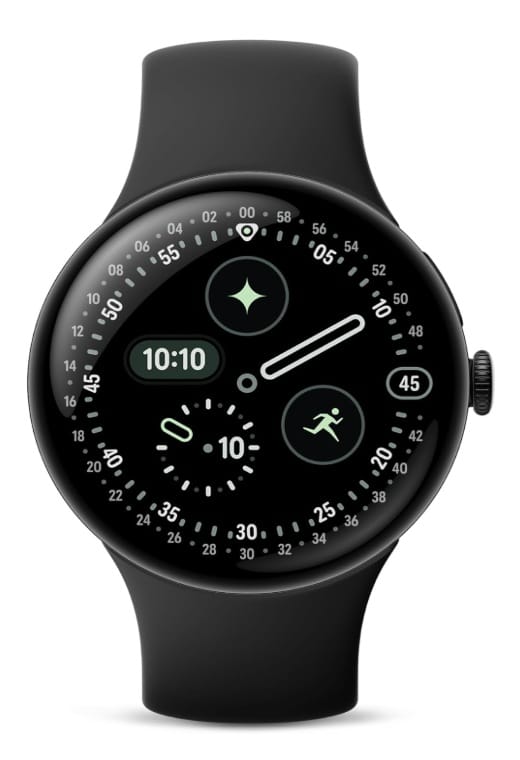
4. Google Pixel Watch 4 LTE — Best Cellular Smartwatch for Google Fans
Product information
The Google Pixel Watch 4 LTE takes a different approach.
It's round, compact, and much less industrial-looking than some rugged watches. More dress watch, less wrist computer—although there's definitely a computer hiding in there.
Google combines Wear OS, Fitbit fitness tools, Maps, Wallet, and Gemini functionality inside the Pixel Watch ecosystem. The LTE version can provide connected functionality away from your smartphone, though specific voice and data functionality depends on the cellular arrangement you use.
Google has also offered qualifying Pixel Watch 4 LTE buyers two years of Google Fi Wireless data for functions including messaging, navigation and music. There are conditions attached, and that particular data offer does not provide LTE voice calling, so read the details rather than assuming "free data" means everything.
The battery question matters as well.
Cellular connectivity consumes power. That's physics being annoying again.
Best for:
Pixel owners and Android users who prefer Google's wearable ecosystem.
Why consider it:
- LTE option
- Google Maps
- Google Wallet
- Fitbit fitness integration
- Gemini assistant features
- GPS
- Health and sleep tracking
- Clean round-watch design
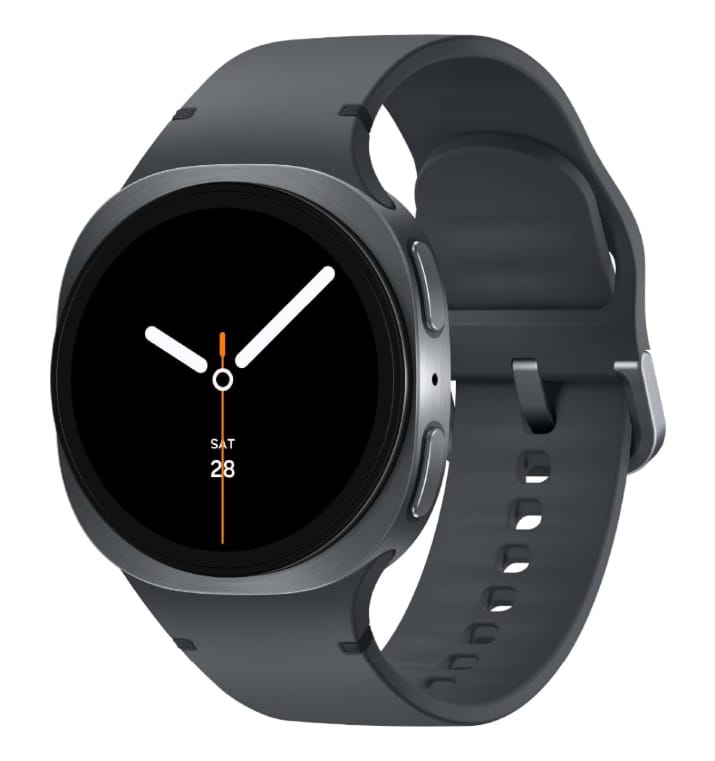
5. Samsung Galaxy Watch8 LTE — Still a Smart Buy When the Price Is Right
Product information
Newer isn't automatically better value.
The arrival of the Galaxy Watch9 makes the Galaxy Watch8 LTE particularly interesting because previous-generation electronics often start becoming more affordable once their shiny replacement arrives.
And the Watch8 hasn't suddenly forgotten how to be a smartwatch.
It offers LTE variants, fitness tracking, sleep coaching, heart-rate monitoring and Samsung's established Wear OS experience.
If Amazon discounts it significantly below the Watch9 LTE, things get interesting. Very interesting.
Paying $100 or more extra for incremental improvements makes sense for some buyers; for others, yesterday's flagship at tomorrow's discount is the smarter purchase.
Best for:
Android buyers looking for value rather than simply buying the newest generation.
Why consider it:
- LTE model available
- Established Wear OS platform
- Fitness tracking
- Sleep coaching
- Heart-rate monitoring
- Samsung Health integration
- Potential discounts following newer-model launches
FAQs: Smartwatches
What is a cellular smartwatch?
A cellular smartwatch connects directly to a mobile network through supported cellular service, allowing certain functions such as calls, messages, navigation, and online services to work without the paired phone being nearby.
Can I use a cellular smartwatch without my phone?
Yes. Once properly set up and activated, many cellular smartwatch functions can work while your phone is elsewhere. However, a compatible smartphone is usually still required for setup and some features.
Do I need a monthly plan for a cellular smartwatch?
Usually, full standalone cellular service requires a compatible carrier plan. Pricing and functionality differ between carriers and watch models. Some manufacturers or retailers occasionally include promotional data service.
What's the difference between LTE and Bluetooth smartwatches?
An LTE smartwatch can communicate through a cellular network when supported and activated. A Bluetooth smartwatch normally relies more heavily on a nearby smartphone or Wi-Fi connection for internet-connected features.
Can a cellular smartwatch make phone calls?
Many LTE/cellular smartwatches can make and receive calls when properly activated with a compatible carrier. Check the individual model and carrier because functionality varies.
Which cellular smartwatch is best for iPhone?
Apple Watch GPS + Cellular models provide the strongest integration with iPhone. Current choices include the Apple Watch Series 11 and premium Apple Watch Ultra 3.
Which cellular smartwatch is best for Android?
Samsung Galaxy Watch LTE models and Google's Pixel Watch LTE models are among the strongest Android choices. Compatibility and available features can vary depending on the Android phone being used.
Does cellular drain smartwatch battery faster?
It can. LTE usage, GPS tracking, streaming, calls, and always-on displays can increase battery consumption compared with lighter Bluetooth-based use.
Is a cellular smartwatch worth the extra money?
It can be if you frequently leave your phone behind but still want to communicate, navigate, and use online services. If your phone is nearly always nearby, a less expensive Bluetooth/GPS watch may provide better value.
You may be interested in the following reviews!
 Neil Fajardo
 Neil Fajardo
 Neil Fajardo