
The best octane boosters in 2026 are concentrated fuel additives that raise the effective octane rating of pump gasoline — with top-rated options including K&N - Performance + Octane Booster, Lucas Oil Octane Booster, Star Tron - Enzyme Fuel Treatment, Royal Purple Max-Boost, and BOOSTane Professional available on Amazon for $8 to $30 per bottle, with Lucas treating up to 25 gallons per bottle and delivering three times more octane increase than most competing products.
Knock. That particular sound — not dramatic, not immediately catastrophic, just a faint metallic ping from somewhere deep in the combustion chamber — is your engine telling you something is wrong with the fuel it's been given. Not aggressively. Almost politely. The way a seasoned mechanic raises an eyebrow instead of saying anything directly. But the message underneath is not polite at all: pre-ignition is happening, the combustion event is mistimed, and if it continues under load, the consequences compound in ways that are expensive to reverse.
Octane boosters exist because the fuel available at the pump is not always what a high-compression engine actually wants. And because sometimes — track day, towing a heavy load over a mountain pass, a summer afternoon in stop-and-go traffic with the A/C maxed out — the margin between performing correctly and detonating under pressure gets narrower than the fuel in the tank can handle alone.
I ran a mildly built LS engine on 87 octane for about three weeks while waiting on a tune update. The knock retard the ECU was pulling — visible on a data logger — was significant. The engine wasn't failing. It was compensating, retarding ignition timing to prevent detonation, sacrificing power in the process. Switched to 93 and added a bottle of Lucas Octane Booster before the tune arrived. The retard disappeared. The power came back. Same engine, same tune, different fuel quality. The difference was measurable, and it was immediate.
That's what octane boosters actually do — when they work.
Key Takeaways
- Octane rating measures a fuel's resistance to pre-ignition (knock/ping) — not its energy content; higher octane allows correct combustion timing without detonation
- High-compression engines — naturally aspirated performance engines, turbocharged engines, supercharged engines — require higher octane fuel to operate at design specification without damaging knock retard
- Lucas Oil Octane Booster treats up to 25 gallons per bottle and delivers approximately 3x the octane increase of most standard fuel additives
- Most octane boosters raise pump fuel 1–3 octane numbers — not 10, not 20; claims of dramatic jumps from a single bottle of economy additive are marketing, not chemistry
- Safe for oxygen sensors, catalytic converters, and fuel injectors — the correct products add no compounds that foul emissions equipment
- Street-legal vs. racing-only — some high-concentration boosters (particularly those containing toluene or MMT) are not street-legal; verify before purchasing for road use
- Top-rated octane boosters on Amazon range from $8–$12 (standard 15–25 gallon treat rate) to $25–$35 (high-concentration racing formulas)
What Octane Rating Actually Means (And Why the Number Matters More Than You Think)
The octane rating printed on the pump — 87 Regular, 89 Mid-grade, 91 or 93 Premium — does not measure how much energy the fuel contains. Both 87 and 93 octane gasoline have essentially equivalent energy density per gallon. The rating measures one specific property: resistance to autoignition under compression.
In a gasoline engine, the combustion process is supposed to be initiated by the spark plug at a precisely calculated moment in the piston's travel. The compressed air-fuel mixture waits for that spark, ignites in a controlled flame front, and pushes the piston down in an organized power stroke. That's the design.
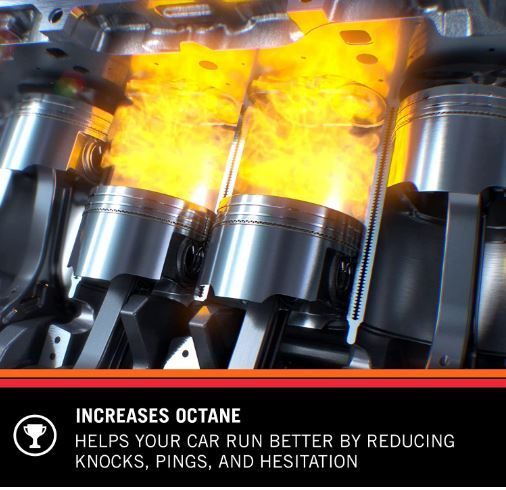
Pre-ignition — knock, ping, detonation — is what happens when the compressed mixture autoignites before the spark plug fires. The pressure wave from that premature combustion hits the piston while it's still traveling upward, fighting the combustion pressure instead of riding it. The metallic knock you hear is that collision. Under light conditions, the ECU pulls timing (retards ignition) to compensate — you lose power but avoid damage. Under sustained heavy load, actual mechanical damage to pistons, bearings, and combustion chamber surfaces becomes possible.
Higher octane fuel resists that autoignition. Higher compression ratios — more air-fuel mixture compressed into a smaller space — create conditions where autoignition becomes more likely without premium fuel. Turbocharged and supercharged engines add boost pressure on top of compression, increasing the demand further.
The octane booster's job is to raise the autoignition resistance of whatever fuel is already in the tank. Not to add energy. Not to clean injectors. To specifically address the detonation threshold.
How Octane Boosters Work (The Chemistry Behind the Claim)
Different octane booster formulas use different active compounds to raise the octane rating of base fuel:
MMT (Methylcyclopentadienyl Manganese Tricarbonyl): One of the most effective octane-boosting compounds available in consumer products. Lucas Oil Octane Booster uses MMT as its primary active ingredient, which is a significant part of why it delivers the 3x boost claim over competitive products that use less effective chemistry. MMT is approved for use in motor vehicle fuel in the U.S. (EPA registered) at the concentrations used in consumer octane boosters.
Toluene: A solvent with a high octane rating that effectively raises the octane number of the blended fuel. Common in racing applications and DIY performance fuel blending. Many racing-only octane boosters are primarily toluene. Not registered for on-road use as a standalone additive in all jurisdictions — verify street legality before using toluene-based products on public roads.
Ethanol-based boosters: Some products use ethanol's high octane rating (approximately 113 RON) to raise the blend's resistance to detonation. Limited effectiveness at consumer treat rates can affect fuel system components not rated for high ethanol exposure.
Detergent-based "boosters": Products that are primarily fuel system cleaners marketed with octane-adjacent language. These clean injectors and combustion chambers can indirectly improve combustion efficiency — but they don't raise the fuel's octane rating in any meaningful, measurable way. Know what you're buying.
How to Use Octane Booster Correctly (What the Instructions Don't Emphasize)
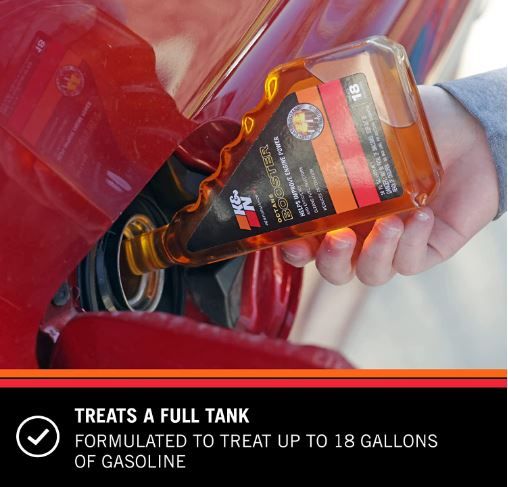
Quick answer: Pour the recommended amount into the gas tank before or during a fill-up. The turbulence from the incoming fuel mixes the additive thoroughly. Use consistently when addressing a recurring knock issue, or as-needed before demanding driving conditions.
Getting the Treat Rate Right
The treat rate — how many gallons the bottle is designed to treat — is the calculation that determines actual effectiveness. Using one bottle of Lucas Octane Booster (rated for 25 gallons) in a 25-gallon tank delivers the labeled octane increase. Using the same bottle in a 10-gallon tank doubles the concentration and approximately doubles the octane increase. Using it in a 50-gallon tank halves the effectiveness.
Know your fuel tank capacity. Use the appropriate quantity for your desired result.
Timing the Addition
Add the booster before pumping fuel — the incoming gasoline creates enough turbulence to mix the additive thoroughly without additional stirring. Adding after filling works too, but relies more on natural circulation for distribution.
For track preparation where a precise octane target matters — calculate the specific volume needed using your base fuel's octane rating and target octane, not just the bottle's standard treat rate recommendation.
What to Expect (And When to Expect It)
The octane increase takes effect immediately — the first combustion cycles after the treated fuel reaches the injectors or carburetor jets are operating on the higher-octane blend. You're not waiting for the additive to "work through the system" in the way that some fuel system treatments require time to address deposits.
If a knock was present and disappeared after treatment, the octane correction addressed the cause. If knock persists after treatment, the octane increase wasn't sufficient for the engine's demand, or the knock has a cause other than fuel octane (ignition timing issue, lean air-fuel ratio, excessive combustion chamber deposits, cooling system problem). Octane booster addresses one specific variable. It's not a general-purpose engine diagnostic tool.
Who Actually Needs an Octane Booster (And Who Probably Doesn't)
You likely need one if:
A stock vehicle specifying premium fuel is being run on regular — the manufacturer designed the engine for 91+ octane, and the ECU is pulling timing retard to compensate. The performance loss is real and measurable; an octane booster restores the design specification.
A modified engine — higher compression ratio, turbocharger or supercharger, aggressive camshaft, performance tune — requires octane levels above what pump premium provides.
Premium fuel is unavailable in your region or temporarily out of stock at a specific station.
You're experiencing an audible knock or ping under load and have ruled out other causes.
Pre-track preparation on an engine that will see sustained high-RPM, high-load operation.
You probably don't need one if:
Your stock vehicle specifies regular fuel and runs it without knock. Adding octane booster to a fuel system that already has adequate octane for its compression ratio produces no measurable benefit — the resistance to detonation was already sufficient, and surplus resistance isn't a useful property.
You're hoping it will improve fuel economy on a standard stock engine. Octane correction on an engine that was already detonation-free doesn't improve combustion efficiency in a meaningful way.
Final Thoughts
Octane booster is a misunderstood product — partly because the category contains genuinely effective formulas alongside products that do approximately nothing, and partly because the claims on some packaging bear little relationship to the actual chemistry inside the bottle.
Lucas Oil Octane Booster sits firmly in the effective category. The MMT chemistry, the 25-gallon treat rate, the three-times-more-than-average octane increase — these are defensible claims backed by the kind of formula that professional engine builders actually reach for. It's not magic. It doesn't transform 87 octane into race fuel. What it does is measurably raise the detonation threshold of pump fuel in a way that matters to high-compression engines, turbocharged engines, and performance builds that the ECU is already compensating for.
The expensive option — BOOSTane for serious builds requiring specific octane targets — earns its premium for the application it serves. The budget option — STP for mild occasional knock on a stock engine — is honest about what it delivers.
Know what your engine actually needs. Buy the product that addresses that specific need at the treat rate that delivers the required result.
Pour it in before you fill up. Drive it hard. That's the whole process.
Need help? We've done the research for you and found the Best Octane Booster on Amazon. Every day, we read hundreds of reviews and try the highest-rated products we have on our list.
Best Octane Booster - Reviews
The Best
Product information
In the quest for enhanced automotive performance, adding an octane booster to your vehicle's gasoline during fill-up emerges as a noteworthy solution. This specialized concoction is engineered not only to elevate the overall performance of your car but also to meticulously cleanse the internal components of the fuel system. By incorporating this booster into your routine, you're taking a significant step toward optimizing your vehicle's efficiency and power output.
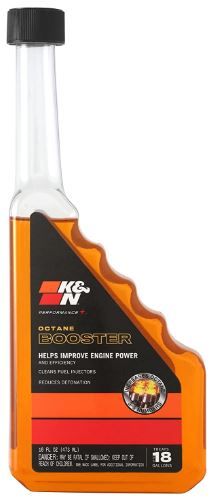
The advantages of utilizing an octane booster extend beyond mere performance enhancement. It plays a crucial role in diminishing common issues such as engine knocks, pings, and hesitation, ensuring a smoother and more reliable driving experience. Additionally, this product is designed with the well-being of your vehicle's critical systems in mind, being completely safe for use with catalytic converters and oxygen sensors. With its capability to treat up to 18 gallons of gasoline, it offers a practical solution for maintaining your car's health and boosting its performance.

It does increase performance. Pour it into an empty or low-level gas just before filling up. It also cleans the internal fuel system. Safe on catalytic converters and oxygen sensors

Be careful when using this product; wear protective gloves as it may burn the skin. The cap was damaged on arrival, but no returns are allowed.
Our Thoughts - This is a top product that will give you what you are looking for in an octane booster and is safe on catalytic converters and oxygen sensors. It treats up to 18 gallons of gas.

Very Good
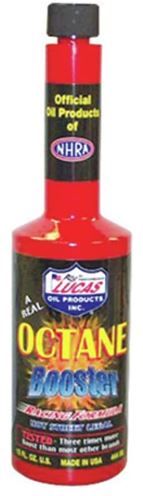
Product information
Lucas Oil has emerged as a trusted solution for owners of 4-stroke engines, offering a range of key benefits designed to enhance the performance and longevity of these power units. This specialized oil plays a pivotal role in maintaining engine health by addressing common issues that can compromise efficiency and reliability. Its formulation is specifically tailored to meet the needs of 4-stroke engines, ensuring that every component operates smoothly and effectively. By choosing Lucas Oil, users are investing in a product that is dedicated to delivering optimal results for this particular engine type.
In addition to its compatibility with 4-stroke engines, Lucas Oil boasts an impressive ability to elevate the octane rating of gasoline, with a single bottle treating up to 25 gallons of fuel and potentially increasing the octane rating by three points. This increase in octane rating is crucial for reducing or even eliminating the undesirable effects of knocking and pinging during the combustion process. These symptoms, often indicative of pre-detonation or abnormal combustion, can lead to significant engine damage over time. By integrating Lucas Oil into their maintenance routine, vehicle owners can safeguard their engines against these issues, ensuring smoother operation and enhanced performance.

Lucas Oil stops the pinging and knocking. Does a good job.

Not for 2-stroke engines. It works better in 4-stroke engines.
Our Thoughts - Lucas Oil is a well-known company for producing good products. This octane booster works well, but not on 2-stroke engines.

Very Good
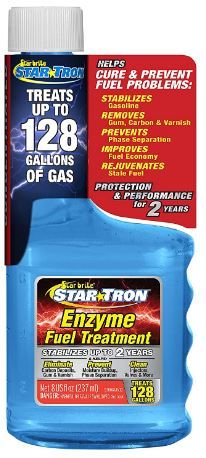
Product information
Star Tron Enzyme Fuel Treatment Concentrate stands out as a revolutionary solution for enhancing the performance of all types of fuel, offering both immediate and long-term benefits. By improving the combustibility of fuel, it ensures that engines not only deliver more power but also achieve better fuel economy. The continuous action of this fuel additive guarantees the cleanliness and efficiency of your fuel delivery system, facilitating easy starts and strong, consistent engine performance. This makes it an essential product for those looking to optimize their vehicle's or machinery's operation, ensuring that every drop of fuel contributes to maximum output and efficiency.
Star Tron Enzyme Fuel Treatment is not just for active use; it also excels in maintaining fuel quality during periods of seasonal storage. Capable of stabilizing fuel for up to two years, it effectively prevents the formation of gums and other solids that can clog carburetors and fuel injectors, preserving the integrity of your engine's fuel system. Additionally, for fuel that has already degraded, Star Tron has the remarkable ability to rejuvenate old, sub-spec fuel, breathing new life into it and ensuring that it can still power your engine effectively. This dual capability makes it an invaluable tool for both regular maintenance and preparing your engine for extended periods of inactivity.

Used on most engines, large and small. It works well by rejuvenating old gasoline and protecting the fuel system.

Some customers reported that the packaging and shipping are horrible. Bottles arrived damaged, the tops loose, and the contents spilled.
Our Thoughts - Apart from the delivery issues, this is a good product to stabilize and improve old gasoline by preventing clogs/gumming in small fuel jets in the carburetor and injectors.

Very Good
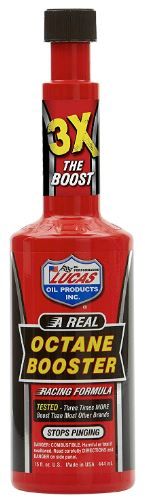
Product information
Enhance your engine's longevity and efficiency with a cutting-edge solution designed to lubricate rings for an extended cylinder life, ensuring your vehicle runs smoother for longer. Promoting a cleaner fuel burn significantly reduces emissions, contributing to a healthier environment and better air quality. Additionally, this innovative product facilitates easier piston travel and offers superior valve seat protection, optimizing your engine's performance and safeguarding it against potential damage. This comprehensive approach to engine care not only improves your driving experience but also supports the overall health of your vehicle, making it an essential addition to your maintenance routine.

Customers reported that it fouls the sparkplugs with an orange color, but it cures the pinging in the engine.

Not for vehicles with catalytic converters!
Our Thoughts - Be careful if your vehicle uses a catalytic converter.

Good
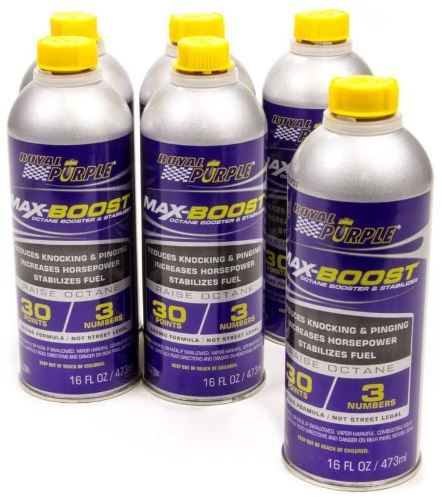
Product information
To ensure your vehicle operates at peak efficiency and performance, it is crucial to adhere to the manufacturer's guidelines as outlined in your vehicle owner’s manual. These recommendations are designed to optimize the longevity and functionality of your car, addressing specific requirements that can vary from one model to another. Following these guidelines not only helps maintain your vehicle in top condition but also plays a significant role in preventing potential issues that could lead to costly repairs down the line.
Moreover, using products that can enhance your vehicle’s performance is another way to ensure its optimal operation. Products that reduce engine knocking and pinging are essential for maintaining the engine's condition and performance. Additionally, choosing additives that can raise the octane rating by up to 30 points or 3 numbers can significantly restore power and fuel economy. This improvement in octane rating directly translates to a more efficient fuel burn, which not only boosts your vehicle’s power but also maximizes its fuel efficiency. Investing in such enhancements can lead to a noticeable improvement in how your vehicle performs on the road, making for a more enjoyable and cost-effective driving experience.

It stops the engine from knocking when accelerating. May also improve gas mileage, boost, and engine power.

Some users said that it works well but is a bit pricey.
Our Thoughts - Royal Purple has a good following, but like any product, it also has a few features that some people don't find beneficial.

Good
Product information
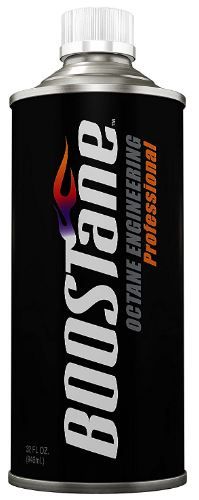
BOOSTane Professional Octane Booster is a premium solution specifically designed for high-compression engines, including those that are turbocharged or equipped with blower motors. This powerful formula comes with a proprietary chelated carrier and includes cleaning agents that not only extend the fuel life but also enhance the overall performance of your engine. It's an ideal choice for automotive enthusiasts and professionals seeking to maximize the efficiency and power of their high-performance vehicles. By incorporating this octane booster into your maintenance routine, you can ensure your engine operates at its peak capability, benefiting from the advanced technology that goes into every bottle of BOOSTane Professional.
This octane booster stands out for its comprehensive protection against common fuel-related issues. It offers robust anti-corrosion properties that counteract the harmful effects of ethanol, prevent phase separation within the fuel system, and combat carbon build-up, ensuring your engine remains clean and efficient over time. Capable of treating fuel from 94 to 116 octane and delivering precise ratio-specific adjustments, BOOSTane Professional allows for multiple fill-ups per bottle, making it a cost-effective and powerful solution for enhancing engine performance. However, it's important to note that due to its potent formula, this octane booster is not street legal, positioning it as a real performance enhancer for off-road or racing applications where maximum engine output is the goal.

It will give better performance to higher-tuned racing cars.

Some customers reported that it produced stains, sparkplugs, and exhaust with an orange/brown color. The cap is hard to open. May clog up catalytic converters.
Our Thoughts - It does say in the ad, "Not Street Legal". Why do people use it in their normal family cars? This octane booster is mainly for high-performance engines.

FAQs: Octane Booster
Octane booster improves engine performance, but how?
Apart from the performance, a good octane booster will clean and protect the fuel system. It will stop knocking and pinging from low-quality and low-octane fuels.
Octane helps improve the combustion stroke by delaying the clean fuel burn until the piston moves past TDC (Top Dead Centre). The knock and ping are developed if the burn starts before TDC, which tends to push the piston back.
What do octane numbers mean?
Octane numbers are a measure of the fuel's ability to resist ignition.
The higher the octane rating, the more resistant the fuel mixture is to autoignition.
By having a higher octane rating the more compression the fuel can take hence giving better and more complete combustion on the power stroke.
How to use octane boosters properly?
The best way is to add an octane booster to an empty tank before a full fill-up. This way, it will mix well while the fuel is pouring into the tank.
Some users may add the octane booster a few weeks before they need it, before a race, or when better performance is needed for other reasons. The engine may perform better with continuous use. However, some octane boosters are not for street-legal vehicles.
Is Lucas octane booster safe for all types of engines?
Yes, Lucas octane booster is safe for both fuel-injected and carbureted engines. It is also suitable for high-compression engines and is safe for oxygen sensors and catalytic converters.
Does octane booster actually increase horsepower?
Octane booster restores power that was being lost to knock retard — which is measurable and real. If your engine was pulling ignition timing to prevent detonation on lower-octane fuel, an effective octane booster eliminates that retard and the full design timing advances. The result feels like a power increase because it is one. On an engine that wasn't detonating and wasn't retarding timing, an octane booster produces no power increase because there's nothing to restore.
Is Lucas Oil Octane Booster safe for catalytic converters and oxygen sensors?
Yes. Lucas Oil Octane Booster's MMT formulation at the recommended treat rates is safe for modern emissions equipment, including catalytic converters and oxygen sensors. This is verified by the EPA registration of MMT as a fuel additive at the concentrations used in consumer products.
How many octane numbers does Lucas Octane Booster actually add?
At the standard treat rate (one bottle per 25 gallons), Lucas Oil Octane Booster adds approximately two to three octane numbers to the base fuel. At a doubled concentration (one bottle per 12–13 gallons), approximately four to six numbers are achievable. Independent testing generally confirms Lucas's "three times more octane boost than most brands" claim relative to economy fuel additives using less effective chemistry.
Can I use octane booster in a carbureted engine?
Yes. Lucas Oil Octane Booster and most MMT-based octane boosters are compatible with carbureted engines and are actually particularly useful for older high-compression carbureted engines that were designed for the leaded premium fuel no longer available. The additive is added to the tank before fill-up and mixes with the fuel before it reaches the carburetor.
Is an octane booster street legal?
Lucas Oil Octane Booster and most MMT-based consumer octane boosters are street legal in the United States and most markets when used at recommended treat rates. Some racing-specific octane boosters containing compounds like tetraethyl lead are not legal for street use. Always verify the street-legal designation on the specific product before using it on public roads.
How often should I use Octane Booster?
For engines that genuinely require higher octane than available pump fuel provides — use at every fill-up, treating the fuel to the appropriate octane target consistently. For occasional use on demand — before track days, during towing in mountain terrain, on hot days when knock is more likely — use as needed rather than continuously. Follow the specific product's treat rate guidance.
Looking for additional automotive essentials?
Check out our other articles!
 Save With Reviews
 Save With Reviews
 Save With Reviews