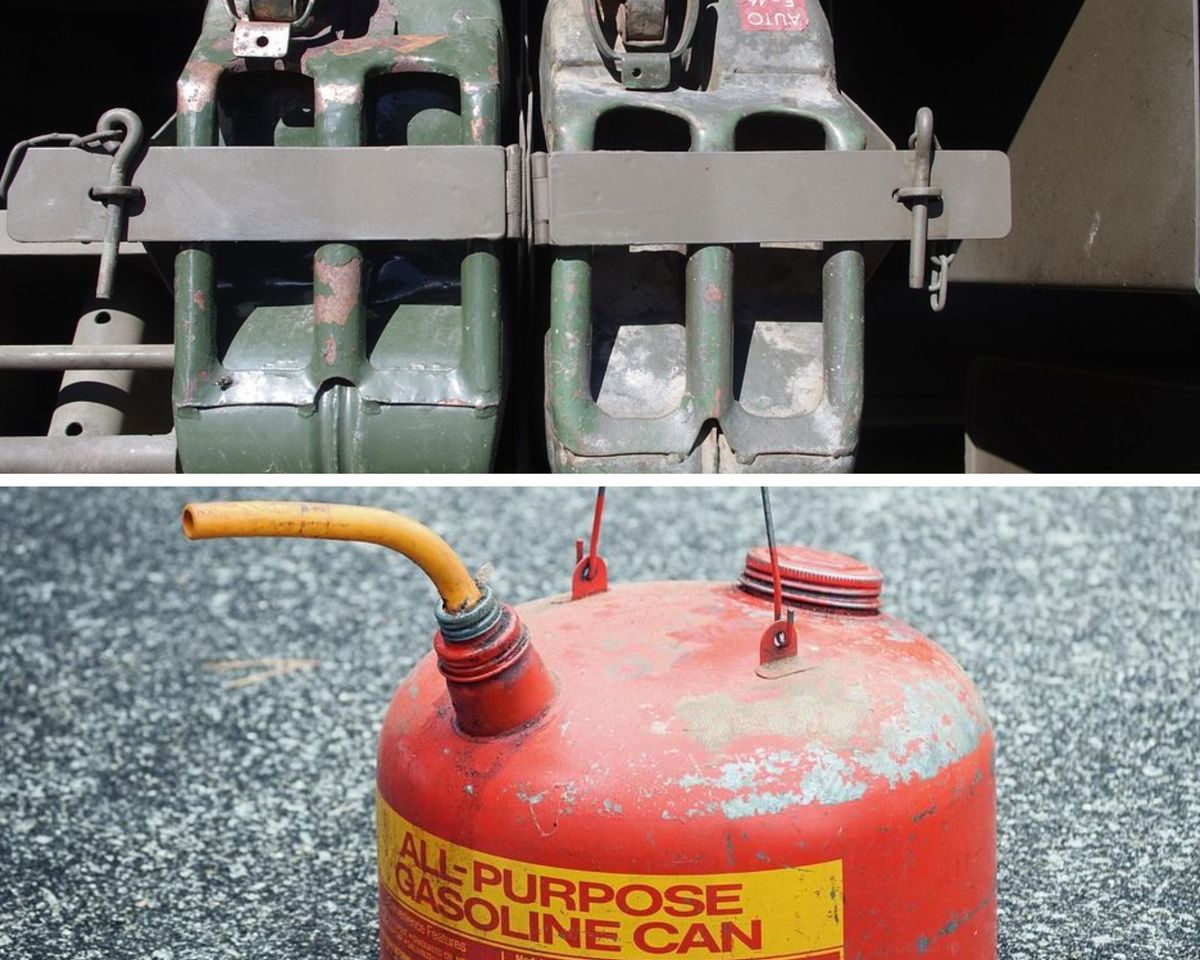
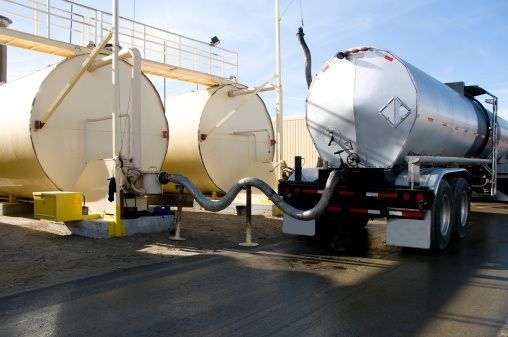
The best fuel transfer tank for most fleet and commercial operations is a DOT-compliant aluminum or steel auxiliary tank in the 50–100 gallon range, mounted to a pickup truck bed with a 12V DC pump rated at 15–20 GPM. For diesel fleets, an aluminum tank resists corrosion long-term; for gasoline, you need a UL-listed, DOT-rated tank with proper venting and bonding. Expect to spend $400–$1,200 for a quality mid-size tank, and yes — DOT compliance is mandatory, not optional, the moment you hit public roads with fuel on board. Skip that, and you're looking at fines that dwarf the cost of doing it right.
Quick Picks:
- Best Overall (Pickup Fleet) → 50–100 gallon aluminum transfer tank, L-shape or rectangular
- Best for Diesel Farms/Ranches → 100–150 gallon steel skid tank, stationary
- Best Compact / Work Truck → 40–50 gallon rectangular aluminum tank with built-in pump mount
- Best High-Capacity Commercial → 100+ gallon DOT-406 or TC-406 spec tank with secondary containment
- Best for Gasoline Transport → UL-listed gasoline-specific tank with approved venting (rare, expensive — and for good reason)
- Best for Budget/Seasonal Use → Portable polyethylene transfer tank, 30–50 gallon
Why a Fuel Transfer Tank Changes the Math on Fleet Operations
If you're running a fleet — delivery trucks, landscaping crews, construction equipment, a farm with a dozen tractors — the math is pretty simple. Sending a driver off-site to fill up every piece of equipment burns hours. Multiplied by five trucks, five days a week, fifty weeks a year. That's a lot of windshield time that isn't producing anything.
A fuel transfer tank brings the fuel to the equipment. Equipment sits on-site. Somebody rolls up with a pickup carrying 100 gallons of diesel, hits the pump, refills three skid steers and a generator, and moves on. The whole thing takes 15 minutes instead of an hour and a half of round-trip errands.
The savings are real. In many fleet setups I've seen — and this is anecdotal but consistent — a properly outfitted transfer tank pays for itself within 6 to 12 months just on driver time and reduced windshield miles. Longer ROI on smaller operations, shorter on bigger ones.
But — and there's always a but — you can't just bolt any old container to the bed of a truck and call it a day. Fuel is regulated. Hazardous material laws are strict. Get this wrong, and you're looking at real legal exposure. We'll get to that.
The Big One: DOT Compliance (Non-Negotiable)
Let's just put this up front, because it's the thing most people either don't know about or wish they didn't.
The moment you put fuel in a tank and drive that tank on a public road, federal hazardous materials regulations apply. This is administered by the US Department of Transportation (DOT) through the Federal Motor Carrier Safety Administration (FMCSA) and Pipeline and Hazardous Materials Safety Administration (PHMSA).
Key thresholds to know:
- Under 119 gallons of fuel in a single tank (gasoline or diesel): you're exempt from most hazmat placarding and manifest requirements — as long as the tank is DOT-compliant
- 119+ gallons in a single tank: you're into full hazmat territory. Placards, hazmat endorsement on CDL, shipping papers, the whole show
- Multiple tanks adding up to over 119 gallons: rules vary, but aggregate quantities often trigger hazmat rules
- Gasoline vs. diesel is treated differently — diesel is lower-risk, and there's more latitude. Gasoline is volatile and much more tightly regulated.
What makes a tank DOT-compliant:
- Meets construction standards (wall thickness, material grade, welded seams)
- Proper venting to prevent pressure buildup
- Approved fill and outlet ports
- Rollover protection on vents (so fuel doesn't pour out if the truck tips)
- Labeling/placarding as required
- Grounding provisions
Most legitimate manufacturers — Transfer Flow, RDS Aluminum, Weather Guard, Better Built, Northern Tool's own branded tanks in the reputable lines — sell tanks that meet DOT specs. Where people get in trouble is buying a "fuel tank" off Marketplace or some sketchy online marketplace that turns out to be, you know, a converted water tank with no rollover venting. Please don't do this.
Also, state and local rules stack on top of federal. California has CARB regulations. Some cities require spill containment. Check your local fire marshal's requirements before installing a stationary tank over 60 gallons — as of 2026, enforcement has tightened significantly in several western states.
Tank Types: What Fits What
L-Shape / Stepped Tanks
Designed to fit over wheel wells in a pickup bed. Takes up the space against the cab, leaving the rest of the bed usable.
- Capacity: Usually 40–100 gallons
- Pros: Maximizes bed space utilization, professional appearance
- Cons: More expensive than rectangular tanks, a specific fit for specific truck beds
Rectangular Transfer Tanks
Simple box-shaped tanks that sit against the bulkhead of the truck bed.
- Capacity: 30–100+ gallons
- Pros: Universal fit, cheaper, easier to mount
- Cons: Uses more bed space, sits higher (can affect visibility through the rear window)
Combo Toolbox + Fuel Tank
Fuel tank on the bottom, locking toolbox on top. Popular with contractors.
- Capacity: 30–60 gallons of fuel + toolbox storage
- Pros: Dual-purpose, efficient use of bed space, locking security for tools
- Cons: Toolbox capacity is reduced vs. standalone, more expensive
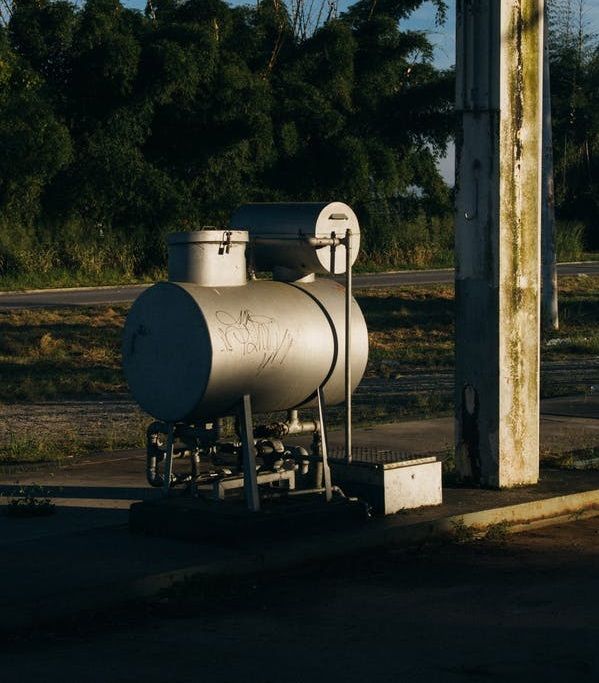
Skid Tanks / Stationary Tanks
Large tanks designed to sit on a stand, skid, or pad — not mounted to a vehicle.
- Capacity: 100–1,000+ gallons
- Pros: Big capacity for central refueling stations, much cheaper per gallon
- Cons: Not portable, requires permitting in many jurisdictions, and spill containment is often required
Portable Polyethylene Tanks
Lightweight plastic tanks for occasional use — farm, marine, emergency.
- Capacity: 15–65 gallons typically
- Pros: Inexpensive, lightweight, corrosion-proof
- Cons: Generally NOT DOT-approved for on-road fuel transport. Check before assuming you can haul these with fuel in them. Most are marketed for stationary or farm use only.
Material Matters: Aluminum vs. Steel vs. Polyethylene
| Material | Pros | Cons | Best For |
|---|---|---|---|
Aluminum | Corrosion-resistant, lightweight (~40% less than steel), long-lasting, won't rust | More expensive, can crack from impact | Diesel, daily pickup-bed use |
Carbon Steel | Cheapest, very strong, welds easily | Heavy, rusts without coating, needs maintenance | Stationary tanks, heavy commercial |
Stainless Steel | Best corrosion resistance, long life | Expensive, overkill for most fuels | Chemical/specialty transport |
Polyethylene (Plastic) | Lightweight, inexpensive, never rusts | Limited DOT approval, UV degradation, lower temp ratings | Stationary farm use, water, chemicals |
The honest take: For a mobile pickup-bed transfer tank used with diesel, aluminum is the right answer almost every time. Yes, it costs more upfront. But a quality aluminum tank lasts 20+ years with minimal care. A steel tank in the same conditions starts showing surface rust inside 5 years and may need replacement within 10–12 years. Factor in weight savings (better fuel economy on the truck carrying it, more payload capacity), and aluminum wins the long-term math almost always.
Steel still makes sense for stationary skid tanks where weight doesn't matter, and the tank is protected from the weather.
Capacity Sizing: Bigger Isn't Always Better
Here's where people often overbuy. A 100-gallon tank sounds great — until you're trying to lift the full tank weight (fuel plus tank = 750+ pounds on a 100-gallon diesel tank), or parking in a lot with a rear suspension that's sagging under the load.
Rough weight math for diesel:
- 30 gallons: ~250 lb total (tank + fuel)
- 50 gallons: ~400 lb
- 75 gallons: ~580 lb
- 100 gallons: ~760 lb
- 150 gallons: ~1,130 lb
And that's just fuel. Add pump, hose, pickup tube, nozzle, mounting hardware — you're pushing another 40–60 pounds.
Critical: Check your truck's payload capacity (found on the doorjamb sticker). A half-ton pickup might have a 1,500–2,000 lb payload. Subtract the weight of passengers, cargo, and the transfer tank system. If you're running 100 gallons of diesel, that's already eating nearly half your payload before you load anything else in the bed.
My recommendation for most users:
- Light daily use / single piece of equipment → 30–50 gallons
- Small fleet or multiple pieces of equipment → 50–75 gallons
- Larger operations, infrequent refills → 75–100 gallons
- Commercial fleet/construction site operations → 100+ gallons (but know your DOT obligations)
Resist the urge to go bigger "just in case." You'll regret it when you're carrying dead weight most of the time and burning an extra 1–2 MPG on your truck.
Comparison Table: Fuel Transfer Tanks at a Glance
| Type | Capacity | Price Range | Best Use | DOT Status |
|---|---|---|---|---|
Aluminum L-Shape | 40–100 gal | $500–$1,400 | Daily pickup fleet use | Compliant when properly specified |
Aluminum Rectangular | 30–100 gal | $400–$1,200 | Universal pickup mount | Compliant when properly specified |
Steel Combo Toolbox | 30–60 gal + box | $500–$1,000 | Contractors, dual-purpose | Compliant when properly specified |
Steel Skid Tank | 100–500 gal | $800–$2,500 | Stationary central refueling | Not for road use as-is |
Poly Portable | 15–65 gal | $100–$400 | Farm/stationary only | Usually NOT DOT approved |
Large Steel Stationary | 500–1,000+ gal | $2,500–$8,000+ | Central fuel storage | Permitting required |
Mounting and Installation (Where Most Mistakes Happen)
A fuel tank that isn't properly mounted to your truck is a projectile waiting to happen. Not to be dramatic — but seriously, imagine what happens in a front-end collision if a 500-pound tank isn't anchored.
Proper mounting basics:
- Use manufacturer-supplied mounting brackets or hardware. Don't improvise with lag bolts into bed wood.
- Tie-down points must be rated for the tank's loaded weight, including dynamic loads (braking, acceleration, cornering forces can easily 2–3x static weight)
- Bed liner compatibility — spray-in liners and drop-in liners can complicate mounting. Some tanks require direct bed-metal contact for grounding.
- Electrical grounding — if you're running a 12V pump, the tank and pump both need proper ground paths. Loose grounds cause voltage drop, slow pump operation, and corrosion at connections.
- Venting clearance — vents need to be positioned so rollover protection works and so vapor doesn't accumulate inside the cab (fuel vapor in the cab is both a fire risk and a health hazard)
For most tank installations, a competent DIY mechanic can do the job in 2–4 hours. If you're uncomfortable with drilling bed holes, routing heavy-gauge wiring, and making sure fuel lines are properly routed, a pro installation runs $200–$500 and is worth it.
One more thing — some newer trucks (especially 2020+ models) have composite beds (Ford F-150, some GM variants) or aluminum beds that require different mounting approaches. Check the tank manufacturer's installation guide for your specific truck generation.
Fuel Compatibility: Don't Mix and Match
Different fuels have different material requirements.
Diesel / Off-Road Diesel / Biodiesel (up to B20):
- Aluminum: ✅ Excellent
- Steel (coated interior): ✅ Good
- Polyethylene: ✅ Acceptable (not DOT)
- Most common application. Forgiving of tank material within reason.
Gasoline / E10:
- Requires a UL-listed tank specifically rated for gasoline
- Aluminum: ✅ when properly constructed
- Steel (coated interior): ✅ when properly constructed
- Polyethylene: ❌ Generally not approved for on-road gasoline transport
- Gasoline-rated tanks are significantly more expensive due to tighter venting, grounding, and construction requirements
E85 / High-ethanol Blends:
- Specialty tank required — ethanol degrades standard seals and some metals
- Check the manufacturer's spec specifically for ethanol compatibility
Kerosene / Jet Fuel / Heating Oil:
- Most diesel-rated tanks handle these fine
- Chemistry is similar enough that dedicated tanks aren't usually required
Aviation Gas (Avgas):
- Specialty tank — leaded avgas has specific compatibility issues
- This is a specialized enough application that you should work directly with an aviation fuel equipment supplier
DEF (Diesel Exhaust Fluid):
- A completely separate tank is required. DEF is highly corrosive to most steel and aluminum alloys.
- Dedicated polyethylene or stainless steel DEF tanks only
- Never use a fuel tank for DEF or vice versa. Cross-contamination destroys both systems and is expensive to remediate.
Pump Integration: Matching Tank to Pump
Most transfer tanks are sold as "tank only" — you'll add a pump separately or buy a combo kit.
Typical pump setup for a 12V DC installation:
- Pump: 15 GPM, cast iron, self-priming
- Wiring: 6–8 AWG with 40A inline fuse
- Hose: 12-foot, 1" diameter, fuel-rated
- Nozzle: Automatic shutoff, UL-listed
- Pickup tube: Matched to tank depth, with a foot valve
- Filter: 10-micron with water separator (recommended for diesel)
Quality combo kits run $600–$1,200 for tank + pump + accessories. Piecing together the same setup usually costs 10–20% more and takes longer to get everything compatible.
There's a full companion article on fuel transfer pumps if you want the deep dive on pump selection. Short version for this context: match GPM to tank capacity and your typical refueling scenario. 15 GPM is the sweet spot for 50–100 gallon tanks.
Maintenance That Actually Matters
Transfer tanks are low-maintenance. But "low" isn't "zero."
Every use:
- Visual check for leaks, drips, or weeps around fittings
- Make sure the cap seals properly
- Wipe up any spills (fuel degrades paint and seals over time)
Monthly:
- Check mounting hardware for looseness — vibration works everything loose eventually
- Inspect hoses for cracks, stiffening, and abrasion
- Test the pump shutoff function
Quarterly / every 500 gallons:
- Replace the fuel filter element
- Drain any water from the water-separator bowl
- Inspect inside the tank with a flashlight for sediment buildup (pour some fuel through a coffee filter — any black particulate means it's time to clean)
Annually:
- Full inspection of the tank exterior for corrosion, dents, and cracks
- Lubricate hinges, latches, and fill caps
- Check electrical connections — corrosion at terminals causes voltage drops
- Drain and clean the tank interior if sediment is accumulating
Long storage (6+ months unused):
- Keep tank full if possible — empty tanks collect condensation
- If storing empty, use a fuel stabilizer on the last fill and run some through the pump before draining
- Cover exposed electrical connections
- Drain water-separator filters before freeze season (ice cracks housings)
The Environmental Angle
Not trying to preach, but this part actually matters — both for the planet and for avoiding expensive cleanup costs.
A fuel spill in most US jurisdictions, even a small one, can trigger reporting requirements. In California (and I'm writing this from West Sac, so trust me on this one), spills over 42 gallons — or any spill that reaches a storm drain, watercourse, or sensitive area — must be reported to the state within 15 minutes of discovery. Cleanup costs for even small spills can run $5,000–$50,000+, depending on what gets contaminated.
A properly specified transfer tank with:
- Automatic shutoff nozzle
- Spill containment around the fill point
- Quality hoses and fittings that don't leak
- Proper venting that prevents overflow
…dramatically reduces spill risk versus using jerry cans or informal fueling setups. The environmental benefit is real, and so is the legal risk mitigation.
Some jurisdictions now require secondary containment (a catch basin or pan under stationary tanks) for any tank over 60 gallons. As of 2026, this is becoming more common in California, Oregon, Washington, Colorado, and several other states. Check locally before installing.
Cost / ROI Analysis
Let's do a quick back-of-the-envelope.
Scenario: Small landscaping crew, 3 trucks, daily operations.
Without a transfer tank:
- One employee makes a fuel run for mowers and equipment each morning
- ~45 minutes round-trip to gas station + refueling
- 5 days/week × 45 min = 3.75 hours/week
- At $25/hour loaded labor: $95/week × 50 weeks = **$4,750/year** in lost productivity
With a 60-gallon transfer tank setup:
- Tank + pump + installation: ~$1,200 one-time
- Refill tank every 2 weeks at a bulk supplier (cheaper per-gallon pricing)
- Refuel equipment on-site in 15 min/day instead of 45
- Time savings: 2.5 hours/week = **$3,125/year in labor savings**
- Bulk fuel savings: $0.15/gallon × 1,500 gallons/year = **$225/year**
- Payback: ~5–6 months
That's a pretty typical story. For larger operations with more equipment, payback is even faster. For a one-truck setup or weekend farm, ROI stretches out, but the convenience factor alone usually justifies it.
Final Thoughts
A fuel transfer tank is one of the most practical pieces of equipment you can add to a working fleet. It turns off-site refueling from a daily interruption into a weekly or biweekly errand. The productivity gains are real, the bulk fuel savings add up, and the convenience factor — honestly — is what most owners end up valuing most, even though it's hardest to quantify.
For most fleet and farm operations in 2026, a 50–100 gallon aluminum transfer tank with a 15 GPM 12V DC pump, properly DOT-compliant and correctly mounted, is the right answer. Expect to spend $1,000–$1,800 fully kitted. Expect it to pay for itself inside a year for most working applications.
The non-negotiables:
- DOT compliance, always
- The right material for the fuel you're hauling
- Proper mounting that won't shift in an accident
- Quality pump and auto-shutoff nozzle to prevent spills
- Maintenance routine, even if it's minimal
The stuff people wish they'd known earlier:
- Aluminum is worth the upfront cost
- Bigger isn't always better — payload math matters
- Gasoline needs a specifically-rated tank; don't cheap out here
- Get the permits you need for stationary tanks before the fire marshal shows up uninvited
Fuel management is unglamorous. But a good transfer tank setup is the kind of infrastructure decision that quietly improves every single day of operations for the next 15 years. That's about as good an ROI as fleet equipment gets.
Can we help? We've done the research for you and found the Best Fuel Transfer Tanks on Amazon. Every day, we read hundreds of reviews and try the highest-rated products we have on our list.
Best Fuel Transfer Tanks - Reviews
The Best
Product information
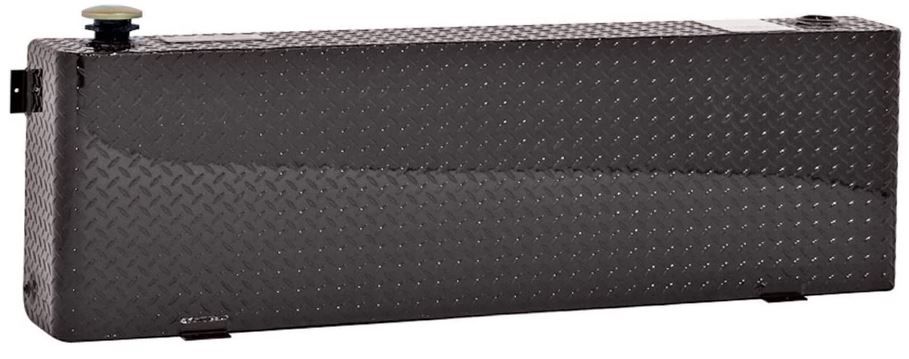
Equipped with non-rusting features, this product boasts a construction of 125 Brite-Tread Aluminum. This material is known for its durability and resistance to corrosion, ensuring the product's longevity. The design also incorporates a radius curve, an innovative feature that effectively eliminates weld pressure points. This means that the structure is not only strong but also evenly distributes any pressure, reducing potential stress points and enhancing overall durability.
In addition to its robust build, this product comes with three stability baffles and a convenient drain plug. These baffles ensure the product remains stable and secure, even under challenging conditions. The drain plug allows for easy maintenance, further extending the product's lifespan. Furthermore, it includes mounting tabs, which allow you to firmly secure it to the truck bed, ensuring it stays in place during transit. With a generous 40-gallon capacity, this product offers ample space to meet your storage needs.

Works great with a good-quality pump. Many happy customers. Easy to install and looks great.

It only had one bracket on one side and no working bracket on the second side. Packaging and handling need improvement.
Our Thoughts - We picked this tank to be the best because our research indicated that this one is the best all around.

Very Good
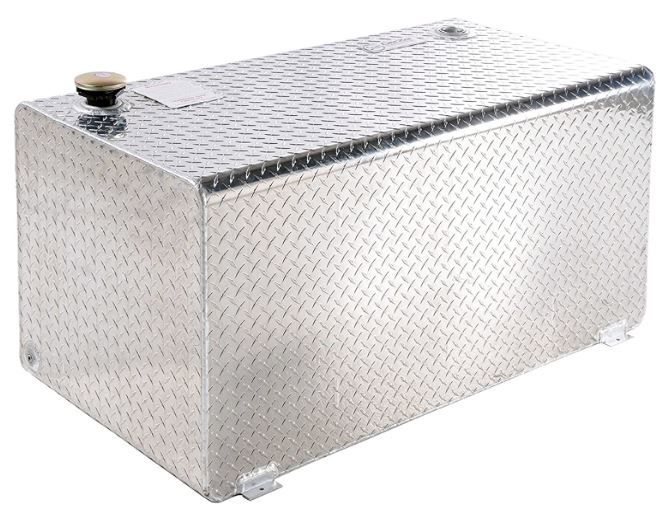
Product information
Crafted from 0.125 Brite-Tread Aluminum, this product offers a non-rusting solution for your storage needs. This type of aluminum is renowned for its durability and resistance to corrosion, ensuring you can count on the product's longevity. It also features a radius curve design, a clever addition that effectively eliminates weld pressure points. This means that the product not only boasts strength but also ensures an even distribution of pressure, reducing potential stress points and enhancing overall sturdiness.
The product comes complete with a cap and coupler for easy venting, adding to its practicality. It boasts an impressive volume with a 110-gallon capacity, providing ample space for your storage requirements. The rectangle shape measures 48" in length, 24" in width, and 24" in height, offering considerable room without compromising on its compact design. For added security, it includes mounting tabs, which allow you to safely secure it to the truck bed, ensuring stability during transit.

Best price for a 100-gallon tank. It's durable, so after a while, it will pay for itself.

Packaging and handling need improvement. Not an auxiliary tank. Shipping to return this item costs 252.00 dollars.
Our Thoughts - This is a very good tank, but the handling and shipping need improvement. The value is great.

Very Good
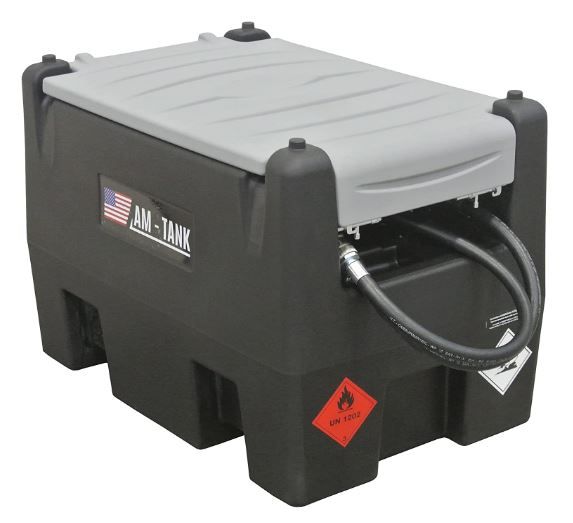
Product information
Introducing AM-TANK 58, a portable solution for the safe and reliable transport and supply of Diesel. These 58-gallon tanks are constructed from high-density linear roto-molded polyethylene, offering robust and durable storage options. This material is known for its high resistance to wear and tear, ensuring that your tank withstands the rigors of transportation.
Each tank is thoughtfully designed with a 2-inch filling plug and equipped with a three-effect air vent device. This device includes pressure, de-pressure, and overturning effects, ensuring optimal safety during use. Additionally, each tank features a special suction net filter, which effectively stops and separates impurities, maintaining the purity of your Diesel. The design also includes integrated forklift pockets for easy lifting when full, and handles for convenient handling when empty. For secure transportation, the tanks have integrated recesses designed for securing with ratchet lashing straps.

Overall, it's a great tank. The pump creates diesel to foam, so adding a filter after the pump will help with that.

The power cable should be longer. Also, the latches could be a bit better designed.
Our Thoughts - This is a good product, only a few niggly things that don't make it perfect. The cover arrived warped.

Good
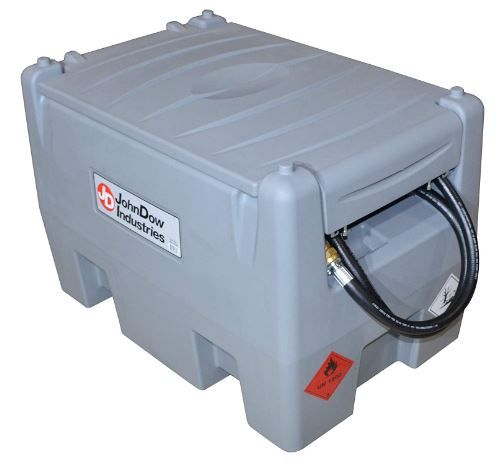
Product information
This product prides itself on its rugged linear polyethylene construction. This material is known for its toughness and durability, ensuring that the tank can withstand the rigors of use and transport. It comes with a 12-volt transfer pump that is capable of delivering fuel at an impressive rate of 10 gallons per minute. This quick and efficient fuel transfer rate ensures that you can move large volumes of fuel in a short amount of time.
The design of this tank includes integrated forklift pockets, which allow for easy movement of the tank even when it's full. The tank's dimensions are conveniently compact, measuring 37 inches in length, 24 inches in width, and 26 inches in height. For added security, it comes equipped with a protective and lockable cover, safeguarding your fuel from potential theft or contamination. To ensure secure transportation, the tank features integrated recesses that are specifically designed for securing it with ratchet straps during transit.

The tank is great. Easy to use at home or from the back of a truck.

The power cable could be longer. Some parts are missing. Only to be used with diesel.
Our Thoughts - We don't know why the company blocked the 1-star and 2-star reviews on Amazon. Some customers are commenting that it should come with a fuel filter.

Good
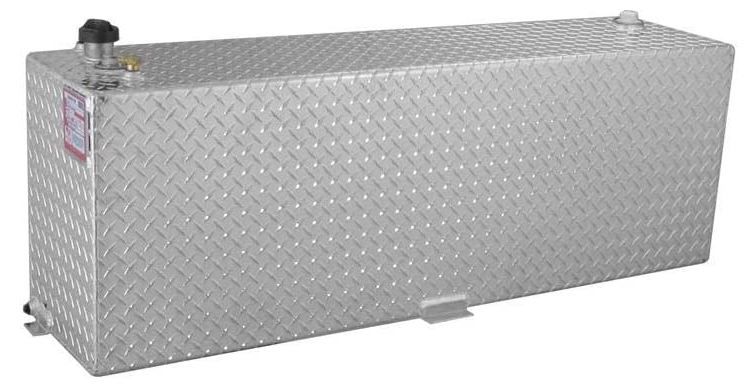
Product information
This product has undergone rigorous quality checks and is 100% pressure tested. This ensures that the tank can withstand high pressure, eliminating the risk of leaks or ruptures during use. It also features 3/16" heavy-duty aluminum mounting brackets that provide robust support and ensure secure installation.
One of the standout features of this tank is the built-in baffles, which effectively reduce sloshing. This is particularly useful during transport, preventing fuel from moving about excessively within the tank. While the tank is designed for diesel fuel, additional diesel install kits are available for gravity feed - these are sold separately. The tank itself is DOT-approved and constructed from 1/8" heavy-duty aluminum, ensuring durability and compliance with transportation safety regulations.

It looks good and does the job well. It's made out of aluminum, so it should last a long time.

Packaging and handling need improvement. Some mounting brackets were bent. Mainly designed for diesel and not gasoline. Installation kit not included.
Our Thoughts - This tank is well built, fits great, and is easy to install.

Good Value
Product information
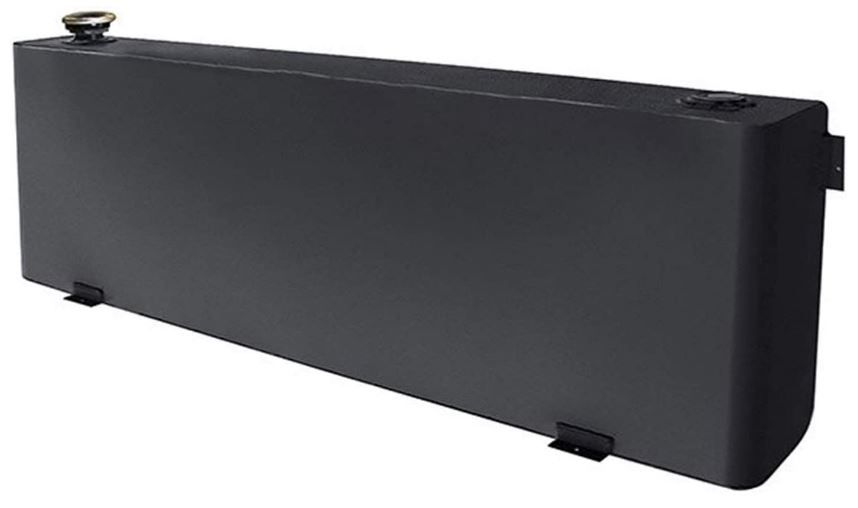
The product boasts a construction of heavy-duty 14-gauge steel, known for its exceptional strength and durability. This material ensures that the tank can withstand the demands of regular use without compromising its structural integrity. An interesting feature is the radius curve design, which effectively eliminates weld pressure points. This unique design aspect enhances the tank's durability and longevity by reducing the potential for weak points where leaks or breaks could occur.
The tank is designed with practicality in mind, featuring five stability baffles and a drain plug. These baffles ensure the contents remain stable during transport, reducing sloshing and maintaining balance. The drain plug allows for easy emptying and cleaning of the tank. For secure bed installation, the tank includes mounting tabs that can be used to firmly secure it to the truck bed. With a generous capacity of 42 gallons, this tank is an excellent choice for those requiring substantial fuel storage.

It looks good mounted behind the cab. It does the job well, and its durability is great.

Packaging and handling need improvement. Some mounting brackets were bent. Mainly designed for diesel and not gasoline.
Our Thoughts - We think it's a bit pricey for what it is, but it does the job.

FAQs: Fuel Transfer Tanks
Are fuel transfer tanks legal for all types of fuel?
Yes, fuel transfer tanks are legal for various types of fuel, including diesel fuel, gasoline, kerosene, and methanol. However, they must comply with DOT regulations and be designed for the specific type of fuel they will carry.
What is the importance of transfer flow technology in fuel transfer tanks?
Transfer flow technology ensures the efficient and safe transfer of fuel from the tank to the vehicle. It minimizes waste, prevents spills, and contributes to the overall effectiveness of the refueling process.
How do I choose the right size fuel transfer tank for my fleet?
Consider the fuel requirements of your fleet, the size of the vehicles' beds, and the available space for mounting the tank. Balance the need for fuel capacity with the practical limitations of your fleet's transportation equipment to select the most appropriate size.
Do I need a DOT-approved fuel tank to haul fuel in my pickup?
Yes, for any on-road use. Tanks must meet federal DOT construction and venting standards. Under 119 gallons of diesel gives you some exemption from hazmat placarding, but the tank itself still has to be compliant. Gasoline is more strictly regulated regardless of quantity.
What's the biggest fuel tank I can haul without a hazmat endorsement?
For diesel in a non-commercial pickup: generally up to 119 gallons in a single tank without triggering hazmat rules, assuming the tank is DOT-compliant. For gasoline, the rules are stricter and vary by state. Commercial operators and CDL drivers face different thresholds. Always verify against current FMCSA regulations for your specific use.
Can I use a water tank to haul fuel?
No. Water tanks lack the venting, rollover protection, and material specifications required for fuel. Even if they physically contain the fuel, they're not legal for road transport and create real fire/explosion risks. Don't do this.
Aluminum vs. steel — which is better for a transfer tank?
Aluminum for mobile/pickup use. Lighter (saves payload and fuel), corrosion-resistant, lasts 20+ years with minimal care. Steel for stationary/skid tanks where weight doesn't matter and upfront cost is the priority. For diesel, both work well; for gasoline, pick whichever your tank manufacturer specifically rates for gas.
How much does a fuel transfer tank cost?
Typical ranges: Small aluminum (30–50 gal): $400–$800. Mid-size aluminum (50–100 gal): $600–$1,400. Steel skid tanks (100–500 gal): $800–$2,500. Large stationary (500+ gal): $2,500–$8,000+. Pumps, hoses, and installation add $300–$800 on top.
Can I haul gasoline in my transfer tank?
Only if the tank is specifically UL-listed and DOT-rated for gasoline. Most "transfer tanks" sold for pickup use are rated for diesel only. Gasoline-rated tanks are more expensive due to tighter construction and venting standards. Do not use a diesel tank for gasoline.
How do I install a fuel transfer tank in my truck bed?
Use manufacturer-supplied mounting brackets and hardware. The tank must be securely anchored to withstand collision forces. Run proper electrical wiring (6–8 AWG for 12V pumps) with fuses and appropriate grounding. DIY is achievable for competent mechanics; professional installation runs $200–$500.
Do I need a permit for a fuel transfer tank?
For mobile pickup-bed tanks, generally no permits are required as long as the tank is DOT-compliant and you're under hazmat thresholds. For stationary tanks, permits are often required (especially over 60 gallons), and local fire marshals may require spill containment. Check locally before installation.
How long do fuel transfer tanks last?
Aluminum tanks properly maintained: 20+ years easily. Steel tanks: 10–15 years, depending on coating and environment. Polyethylene tanks: 8–12 years, but UV degradation and chemical compatibility can shorten this. Neglect (spills left uncleaned, water in the tank, etc.) reduces all timelines significantly.
Can I refuel my own vehicle from a transfer tank on the road? For diesel in your own fleet vehicles, generally yes. For commercial fueling of others' vehicles — that's a different legal category entirely (you're acting as a fuel vendor/jobber) with separate licensing requirements. Self-use vs. commercial sale is very different legally.
Should I get a combo fuel tank/toolbox?
If you're a contractor who needs both fuel storage and lockable tool storage in one unit — yes, combos are efficient. If you prioritize maximum fuel capacity or maximum toolbox space, separate units are better. Combos are a compromise by design.
What happens if I spill fuel from a transfer tank?
Small spills (a few gallons) that don't reach waterways or storm drains: clean up with absorbent material, dispose of per local hazardous waste rules. Larger spills or any spill reaching sensitive areas: immediate reporting to the state environmental agency is required in most states. California specifically requires reporting within 15 minutes for significant spills. Cleanup can run $5,000–$50,000+.
Do I need insurance for a fuel transfer tank setup?
Check with your insurer. Most commercial auto policies cover standard fuel transport within certain limits. If you're transporting over 119 gallons, running hazmat operations, or doing commercial fueling, you likely need specific hazmat-rated insurance. Talk to a commercial auto broker.
Can a fuel transfer tank drain my truck battery?
Yes, if the pump wiring isn't properly fused and switched. A 12V pump drawing 40A for 5 minutes can pull 3+ amp-hours from the battery. Always install a proper on/off switch near the pump and run the truck's engine during long transfers to maintain charge.
What's the difference between a fuel transfer tank and an auxiliary fuel tank?
Auxiliary tanks feed fuel directly into the truck's own fuel system to extend driving range. Transfer tanks store fuel that gets pumped out to other equipment or vehicles. Some tanks can do both with the right plumbing, but they're designed for different primary purposes and have different regulatory treatment.
Looking for additional automotive essentials?
Check out our other articles!
 Save With Reviews
 Save With Reviews
 Save With Reviews