
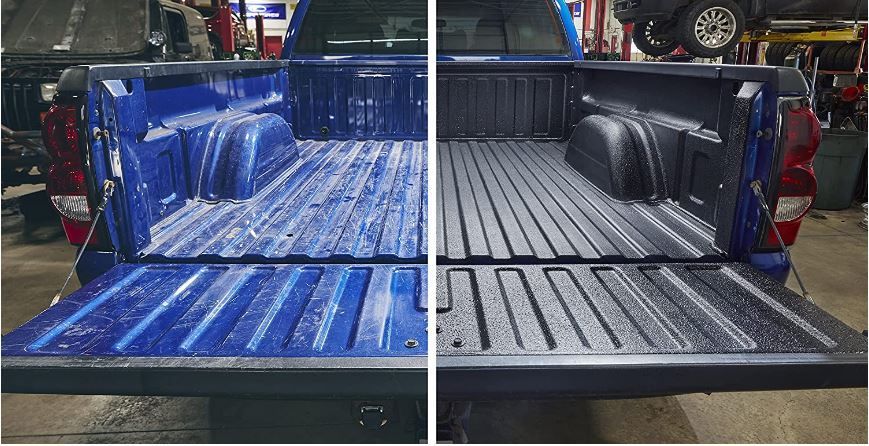
The best truck bed coating for most DIY applications is a roll-on or brush-on polyurethane-based coating — thicker, tougher, and more UV-stable than aerosol options, while still being installable in a weekend without professional equipment. Expect to spend $80 to $200 for a full bed kit, compared to $2,500 to $5,000+ for a professional spray-in liner (like LINE-X or Rhino). For most truck owners, a quality DIY polyurethane coating delivers 80% of the professional finish at 10% of the cost. Aerosol bed liner sprays work fine for small areas, touch-ups, or tailgate-only applications — just don't expect them to hold up like the thicker stuff.
Quick Picks:
- Best Overall DIY → Roll-on polyurethane bed liner kit (1–2 gallons)
- Best Professional Finish → Spray-in polyurea from a professional shop (LINE-X, Rhino, Vortex)
- Best Budget → Aerosol bed liner spray (6–8 cans for full bed)
- Best for Restoration → Brush-on thick polyurethane with high texture
- Best for Quick Touch-Up → Single aerosol can for specific spots/tailgate
- Best UV-Stable / Colored → Tintable polyurethane kit (not just black)
Why a Bed Coating Is (Actually) Worth It
Let me start with a confession. For years, I rolled with a bare bed on my old Silverado — figured I'd just "be careful" with what I loaded in there. Which, in retrospect, is hilarious. You can't be careful when a friend throws a pallet of pavers in for a patio project. You can't be careful when you're hauling scrap metal to the recycler. Life happens in the bed of a pickup.
Unprotected truck beds get absolutely destroyed. It's not a question of if, just when. Scratches from sliding cargo. Dings from dropped tools. Rust starts at any point where the factory paint chips through to the metal. And once rust gets a foothold in a seam or weld — that's how beds eventually rot out.
A bed coating does three things:
- Absorbs abuse so the factory paint doesn't
- Seals out moisture to prevent rust from starting
- Adds grip so cargo doesn't slide around (less cargo shifting = less damage in the first place)
The trade-offs are real, though. A bed coating adds texture (which traps dirt and can be harder to clean). It changes the appearance (usually to textured black — some love this, some don't). And removing it later is a nightmare — so it's essentially permanent once applied.
For most people using their truck as, you know, a truck, that's a trade they'd make ten times out of ten.
The Big One: DIY vs. Professional Spray-In
This is the main fork in the road.
Professional Spray-In Liners
The LINE-X, Rhino, and Vortex tiers. A shop sprays a thick layer of polyurea (or polyurethane, depending on the product) using heated, high-pressure equipment. The chemistry occurs in seconds as it hits the surface.
- Thickness: Typically 1/8" to 1/4"
- Cost: $500–$800 for a tailgate-only job, $2,500–$5,000+ for a full bed, depending on truck size and shop
- Durability: 15–20+ years, often lifetime-warranted
- Finish: Professional, uniform, available in multiple colors
- Downside: Expensive. Really expensive. Also, once it's on, it's on — removal is essentially impossible without sandblasting
DIY Roll-On or Brush-On
You buy a kit (1–2 gallons of coating, activator, roller, brushes), prep the bed, and apply it yourself over a weekend.
- Thickness: Typically 40–60 mils, depending on the number of coats (roughly 1/16" to 3/32")
- Cost: $80–$200 for the kit, plus prep materials and time
- Durability: 5–10 years with proper prep
- Finish: Textured, black (usually), visibly DIY if you look close, but actually looks pretty solid
- Downside: Prep is everything. If you skip steps, it fails. Also takes a weekend.
Aerosol Spray-On
Rattle can bed liner. Quick, cheap, and — honestly? — fine for certain applications.
- Thickness: Maybe 15–25 mils with multiple coats
- Cost: $15–$25 per can, 6–8 cans for a full bed = $100–$200
- Durability: 2–5 years in moderate use
- Finish: Thinner texture than roll-on, but still grippy
- Downside: Much thinner coating = much less abrasion protection
Here's my honest take: for a working truck you plan to keep 5+ years, do the roll-on kit. For a truck you're selling in a year, aerosol is fine. For a show truck or a brand new expensive pickup you want to protect forever, splurge on the professional spray-in — the warranty alone is often worth it.
Chemistry Primer: Polyurea vs. Polyurethane vs. Acrylic
Not all bed coatings are created equal, and the chemistry genuinely matters.
Polyurea
The professional-grade standard. Cures in seconds, extremely flexible, excellent abrasion resistance, UV-stable. This is what most LINE-X and similar pro shops use.
- Pros: Best durability, fast cure, handles extreme abuse
- Cons: Requires heated plural-component spray equipment (not DIY-able)
- Typical use: Professional applications only
Polyurethane
The DIY standard. Most quality roll-on and brush-on kits are polyurethane-based. Cures over 12–24 hours, still very durable, good UV resistance if formulated properly.
- Pros: Reasonably DIY-friendly, excellent adhesion to primed metal, long service life
- Cons: Longer cure time, more sensitive to humidity and temperature during application
- Typical use: DIY bed kits, mid-tier professional applications
Acrylic / Modified Acrylic
Most aerosol bed liner sprays use acrylic chemistry. Fast drying, easy application, but softer than polyurethane or polyurea.
- Pros: Easy to apply, inexpensive, widely available
- Cons: Less durable, fades faster under UV, softer finish
- Typical use: Touch-ups, small areas, budget applications
Epoxy
Sometimes used as a primer layer under polyurethane topcoats. Harder than polyurethane but more brittle — can crack under impact. Rarely sold as a standalone bed coating anymore.
The short version: If you want a professional finish, you need polyurea (and you need a pro to spray it). For everyone else, a quality polyurethane kit is the right call.
Comparison Table: Truck Bed Coating Options at a Glance
| Type | Price (Full Bed) | Thickness | Durability | Difficulty | Best For |
|---|---|---|---|---|---|
Pro Spray-In (Polyurea) | $2,500–$5,000+ | 1/8"–1/4" | 15–20+ yrs | Professional only | New trucks, lifetime keepers |
DIY Roll-On Polyurethane | $80–$200 | 40–60 mils | 5–10 yrs | Moderate | Most DIY applications |
DIY Brush-On Polyurethane | $80–$180 | 50–80 mils (can go thicker) | 5–10 yrs | Moderate | Textured finishes, restoration |
Aerosol Bed Liner | $100–$200 | 15–25 mils | 2–5 yrs | Easy | Quick jobs, tailgate-only, touch-up |
Drop-In Plastic Liner (for reference) | $200–$500 | N/A (separate product) | Indefinite, but traps water | Easy | Rent trucks, short-term protection |
That last row is worth addressing briefly. Drop-in plastic liners are not coatings. They're separate plastic inserts that sit in the bed. They protect against impact, but — and this is the big one — they trap water and dirt between the liner and the bed, which causes rust worse than no liner at all in many cases. Coatings bond directly to the bed surface and don't have this problem.
The Prep Work Reality Check
Here's where I'm going to get a little preachy, because this is where 90% of DIY bed coating failures come from.
Coating is 30% of the job. Prep is 70%. Minimum.
Full prep sequence for a proper DIY bed coating:
Step 1: Remove everything
- Bed liner (if you have an old one)
- Tie-downs, hooks, bolts you want coated around or under
- Tailgate latches and hardware if you're doing a thorough job
- Anything plastic that isn't getting coated gets masked
Step 2: Wash thoroughly
- Pressure wash if possible
- Degreaser on any oily spots
- Let it fully dry — a full day in the sun, or use a leaf blower for the seams
Step 3: Address rust
- Any rust has to be removed down to clean metal
- Wire wheel, sanding disc, or rust converter product
- Spot-prime any bare metal with a rust-inhibiting primer
Step 4: Sand the entire bed
- 80–120 grit on painted surfaces
- You're not trying to remove paint — just scuff it so the coating grips
- This is the step everyone wants to skip. Don't.
Step 5: Solvent wipe
- Acetone or a wax-and-grease remover on a lint-free rag
- Pulls up anything the washing missed
- Do this right before coating, not the day before
Step 6: Mask like you mean it
- Tape off the top edges of the bed rails at your desired coverage line
- Mask around any hardware staying in the bed
- Protect the bottom of the truck from overspray/drips
- Cover the tailgate hinges and latches
Step 7: Check the weather
- 60–85°F is the sweet spot
- Below 60% humidity if possible
- No rain for at least 24 hours after application
- In my experience, early morning in spring or fall is ideal — cool but not cold, low humidity, no direct blazing sun
This all takes about 4–6 hours of prep time for a full bed. Add 2–3 hours for the actual coating, and you're looking at a full day. If you break it across two days (prep one day, coat the next), you get the bonus of letting the sanding dust settle overnight.
I know a guy out in Elk Grove who skipped the sanding step on his F-150 back in 2023. Figured the bed "looked clean enough." The coating peeled off in sheets within six months. Had to strip the whole thing, sand properly, and redo it. Twice the work, twice the cost. So… yeah. Sand.
Application: Roll-On Technique That Actually Works
Once prep is done, the coating itself is surprisingly forgiving if you follow a few rules.
For Roll-On Kits:
- Mix the activator into the base (if it's a two-part system). Once mixed, you have a limited pot life — usually 30–60 minutes. Don't mix more than you can apply in that window.
- Pour into a roller tray, use a thick-nap roller designed for texture (usually a 3/8" to 1/2" nap)
- Start from the front of the bed and work toward the tailgate so you're not rolling over wet coating
- Apply in sections — roughly 2' x 2' patches, completing each before moving on
- First coat should be medium-thick — you want it to self-level slightly but also show texture
- Second coat 2–4 hours later (check the product instructions) — applied in a perpendicular direction to the first coat for even coverage
- Tape removal: pull the masking tape while the second coat is still slightly tacky. If it fully cures over the tape, you'll rip chunks when removing it.
Brush-On Technique:
Similar to roll-on, but you use a stiff brush (usually provided in the kit) to really stipple the texture in. You can build up a significantly thicker, rougher coating with a brush than with a roller, which is useful if you want maximum grip. The downside is that it's more time-consuming, and the appearance is more obviously brushed.
Aerosol Technique:
- Shake each can for 2 full minutes before spraying (most people shake for 20 seconds — not enough)
- 6–8 inches from the surface, steady sweeping passes
- Plan for 6–8 cans for a full bed, 2–3 cans for a tailgate
- Multiple thin coats beat one thick coat — always
- 10–15 minutes between coats, 24 hours before use
Why DIY Bed Coatings Fail (Avoid These)
The common failure modes:
1. Skipped Prep
Applied over dirt, old grease, or rust. The coating has nothing to adhere to. Peels off in months.
2. Wrong Temperature
Applied in cold weather (below 55°F for most polyurethanes). The coating doesn't flow or cure properly. Results in a soft, sticky finish that never fully hardens.
3. Too Thin Application
One thin coat instead of two proper coats. You can see through the coating in places, and it wears through to bare paint within the first year.
4. Too Thick Application
One giant goopy coat instead of two medium coats. Outside cures, but the interior stays soft. Takes weeks to fully harden and is damaged easily until then.
5. UV Degradation
Used an indoor-rated or non-UV-stabilized product outside. Coating fades and chalks within 1–2 years. Always verify UV stability for outdoor use.
6. Applied Over Galvanized or Bare Aluminum Without a Proper Primer
Different substrates need different primers. Check the product guide.
7. Tape Pulled Too Late
Coating fully cured over the tape, and when you pull it, you rip chunks of bed liner off with the tape. Pull tape when coating is tacky but not wet — about 30 minutes after the final coat.
Color Options (It's Not Just Black Anymore)
Most bed coatings ship as black because black hides everything. But modern DIY kits increasingly offer color options:
- Tintable kits — add pigment to match the truck color (works best on light-colored trucks; dark colors don't show much tint difference)
- Factory-matched colors — some manufacturers offer OEM color-match kits for specific truck brands
- Custom colors — gray, tan, desert sand, olive drab, gunmetal, and a few others are now available
The catch with non-black bed coatings: they show wear and dirt more obviously. A black bed coating hides everything — scratches, dirt, faded spots. A tan bed coating shows every oil drip and scuff mark. Something to consider if you use your truck as an actual truck.
Color-matched bed coatings are gaining popularity on show trucks and newer builds. For a working truck? Black is still the smart money.
Professional Spray-In Options: What's Worth Paying For
If you're considering a pro spray-in, a quick comparison of the major players:
LINE-X — Highest name recognition, tough polyurea, lifetime warranty at most franchise locations. Typically $500–$700 for a standard bed. The premium "PREMIUM" and "XTRA" products go higher.
Rhino Linings — Similar to LINE-X in durability and warranty. Competing franchise network, sometimes cheaper depending on regional pricing.
Vortex Sprayliners — Slightly less well-known but uses legitimate polyurea chemistry. Often priced $100–$200 below the big two for similar quality.
Bullet Liner — Newer entrant, polyurea-based, typically very competitively priced.
Regional / Independent Shops — Sometimes use LINE-X or Rhino equipment under different branding; sometimes use unbranded polyurea. Price can be significantly lower, but warranty and consistency vary. Ask what chemistry they spray and what warranty they offer.
2026 pricing note: I checked local rates in the Sacramento region this past week. For a full-size half-ton pickup bed: LINE-X running around $650–$750, Rhino $600–$700, indies $450–$600. Prices vary by region — expect significantly higher in high-cost metros and lower in rural areas.
Longevity: How Long Will Your Coating Actually Last?
Real-world durability numbers based on typical fleet/consumer reports:
- Professional polyurea (LINE-X/Rhino): 15–20+ years in normal use, often warrantied for the life of the truck
- DIY polyurethane roll-on: 5–10 years with proper prep, often much longer if UV-stabilized and lightly used
- Aerosol bed liner: 2–5 years in active use, shorter if exposed to constant sun
- Touched-up / patched areas: Almost always shorter than fresh application — touch-ups rarely last as long as full recoats
Factors that extend life:
- Proper prep (this is the #1 factor)
- UV-stabilized product
- Covered parking or bed cover/tonneau when not in use
- Occasional cleaning to remove abrasive dirt
- Not using the bed for unusually harsh applications (acid, strong solvents, etc.)
Factors that shorten life:
- Poor prep
- Constant UV exposure (desert/high-altitude climates, especially)
- Heavy cargo that scrapes/drags across the coating
- Exposure to strong chemicals (gasoline, brake fluid, certain pesticides)
- Freeze-thaw cycles with salt/moisture in cold climates
Maintenance That Keeps Bed Coatings Looking Good
Once applied, bed coatings need surprisingly little attention:
- Monthly (or after heavy use): Sweep out dirt, rinse with water, dry
- As needed: Address any oil or fuel spills quickly (most polyurethane coatings handle brief contact with fine particles, but prolonged exposure degrades the surface)
- Annually: Inspect for chips, scrapes, or bubbles. Touch up bad spots with a patch kit (most manufacturers sell small touch-up bottles)
- For UV exposure: Some owners apply a UV protectant spray designed for rubber/polyurethane every 6–12 months to slow fading. Optional but effective.
Things to avoid:
- Pressure washing too close / too hot. High-pressure water at close range can erode coating edges and cause lifting.
- Harsh solvents. Acetone, lacquer thinner, and strong degreasers can soften polyurethane. Stick with mild soap.
- Dragging heavy abrasive loads. Use a moving blanket or cargo mat if you're hauling anything especially rough (concrete blocks, metal scrap, etc.)
Final Thoughts
A truck bed coating is one of those decisions that separates "I own a truck" from "I actually use a truck." Bare beds look great for about six months and then start showing every sin you've committed with them. A proper coating — even a DIY one — protects the bed through literally thousands of loading cycles.
For most owners in 2026, the right answer is a DIY polyurethane roll-on kit applied over one weekend with proper prep. You'll spend $100–$200 and end up with a bed that handles everything you throw at it for the next decade. The per-year cost works out to maybe $15–$20 — cheaper than insurance, cheaper than regret.
If you've got a brand new $60,000 pickup you plan to keep 15+ years, maybe splurge on the pro spray-in. The lifetime warranty alone is often worth the price difference.
And if you just need to touch up a tailgate or protect the bed of your beater truck before selling it, a few cans of aerosol bed liner do the job for $100 and a lazy afternoon.
Whatever path you pick: prep is everything. Skip the prep, and even the best product fails inside a year. Do the prep right, and a cheap product lasts five.
One last thing — this is the kind of project that feels weirdly satisfying when it's done. You roll up the tarps, peel the masking tape, step back, and suddenly your beat-up truck bed looks intentional. Purposeful. Ready to work. That feeling alone is worth the weekend.
Can we help? We've done the research for you and found the Best Truck Bed Coating on Amazon. Every day, we read hundreds of reviews, search, and try the highest-rated products we have on our list.
Truck Bed Coating - Reviews
The Best
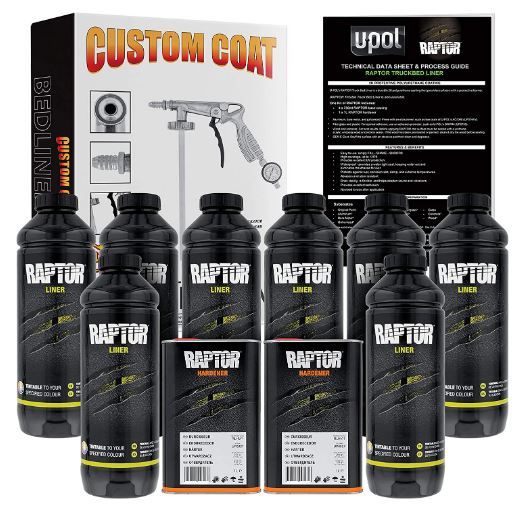
Product information
One of the primary benefits of this truck bed coating spray is its user-friendliness. The application process is straightforward, requiring just a few steps: add the hardener to the tint, give it a good shake to mix, and then spray it onto the desired surface. This ease of use is further enhanced by the Custom Coat Bedliner Spray Gun. This tool comes with an adjustable nozzle to tailor the spray pattern to your needs, making the application even more precise and convenient. Additionally, it includes a regulator and gauge for optimum control.
This truck bed coating spray also boasts a range of protective features. It provides excellent resistance to abrasion and staining, ensuring that the applied surfaces maintain their appearance over time. Furthermore, it offers protection against various damaging factors such as rust, corrosion, salt dampness, and extreme temperatures. This makes it a reliable choice for surfaces exposed to harsh conditions. Moreover, it's waterproof and flexible, which adds to its durability. An added advantage is its sound and vibration-dampening properties. These features make the product not only a protective coating but also a solution for reducing noise and vibrations.

Good customer service. Not difficult to do the job even for first-timers. It dries hard and looks great. Also used on the truck's body panels.

This is a great product, but some customers are not very happy about the packaging and shipping. It needs to improve a lot.
Our Thoughts - Looks great and is tough to crack.

Very Good
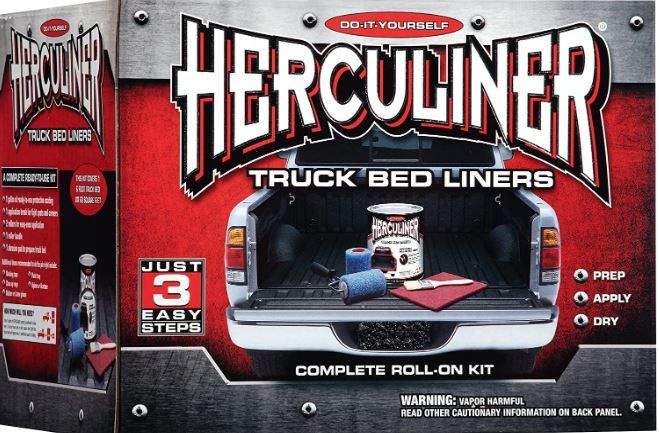
Product information
The J-B Weld Herculiner Truck Bed Liner stands out as an original do-it-yourself solution, providing a coating spray specifically designed for truck beds. Its application is a simple three-step process: prepare the surface, apply the coating, and then let it dry. This product is highly versatile and adheres well to various contours, making it ideal for use for not just truck bed liners, but also for trailers, boat decks, walkways, car floors, tire fenders, and more.
One of the key features of the Herculiner is its quick cure and set time. After application, the product achieves a functional cure within 10 to 12 hours and reaches a full cure within 24 hours. It's suitable for various surface applications, including metal, concrete, wood, fiberglass, rubber, most plastics, PVC, and more, making it a truly versatile option.
Herculiner has established itself as a dependable choice, thanks to its tough, textured formula. The result is a "like new" finish that cures stronger than a water-based product. It provides a durable, skid-resistant protective coating that effectively prevents rust and doesn't chip, flake, or peel, ensuring long-lasting protection.
The Herculiner kit comes complete with everything you need for the application. This pack includes 1 gallon of Herculiner bed liner, 1 application brush, 2 rollers, 1 roller handle, and 1 abrasive pad. The final product is a tough, textured polyurethane coating that's five times thicker than other roll-ons, offering a skid-resistant surface that won't chip, flake, or peel for unmatched durability.

One gallon can do two coats to cover a 6-foot truck bed, sides, and tailgate. Thick and durable material.

The included application rollers may not keep up when adding multiple layers.
Our Thoughts - It will withstand flaking, chipping, and peeling. One of the best options available.

Good Value
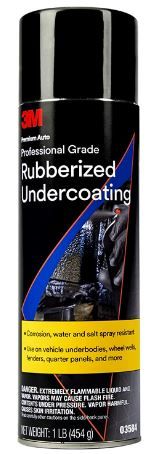
Product information
The multi-purpose undercoating is a versatile application that can be used on a variety of vehicles. Whether you own a car, truck, or recreational vehicle, this undercoating can be easily applied with a truck bed coating spray. More than just providing a protective layer, the undercoating also offers sound-deadening properties. This feature significantly reduces road noise, contributing to a quieter, more comfortable ride.
This undercoating product is asphalt-based, making it an exceptional choice for numerous parts of your vehicle,, including wheel wells, quarter panels, truck beds, interior fenders, and even under the hood. It provides robust protection for the undercarriage of vehicles, guarding against rust and abrasion that can damage your vehicle over time. To make the application process as simple as possible, the product comes in an aerosol dispenser. This allows for an easy spray-on application, ensuring a smooth and even coating every time.

It's easy to use, it works well for its designed purpose, and it ,is not that expensive. It adheres well to well-prepared surfaces.

Packaging and delivery need to improve a lot. Some customers received the can without nozzles, broken or missing. Tends to fade after six months.
Our Thoughts - 3M is a reputable company with great products, but a small percentage of consumers are not happy. What's, going on? This is a good product from 3M, only the small niggly issues make it average.

Good
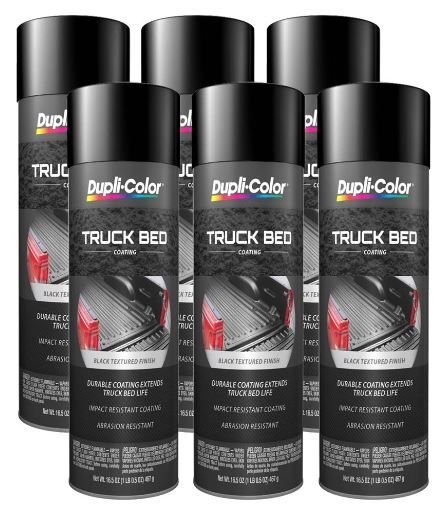
Product information
This all-purpose protective coating for truck beds showcases versatility at its finest. Crafted with a unique black vinyl polymer, this coating is designed to provide comprehensive protection to your truck bed. Its exceptional quality makes it suitable for a multitude of applications, not just limited to truck beds, but also other areas that require durable coating.
The coating is known for its robust impact resistance, ensuring your truck bed remains unscathed even under harsh conditions. It features a textured satin black finish that adds an aesthetically pleasing touch while also providing additional grip. One of the standout features of this product is its quick drying time. It dries to the touch in just one hour and can be handled safely in two hours, making it a convenient solution for those who value both protection and efficiency.

It works great on trailers. also. The newer cans work better. It dries fast and gives a strong layer of protection.

Shake the can well; otherwise, the nozzle may clog up.
Our Thoughts - We prefer using a proper spray gun as it seems to give a better spray. The cans are fine, but the nozzles can be a problem.

Good
Product information
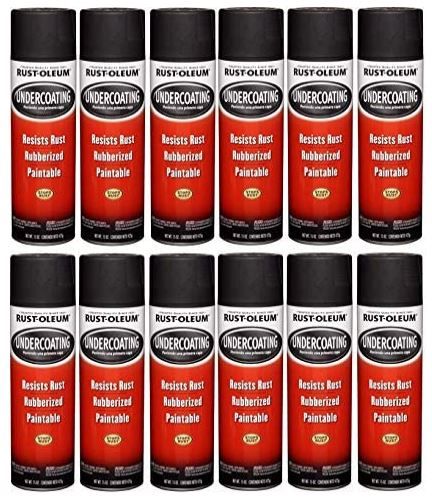
This package contains a dozen 15-oz cans of Rust-Oleum truck bed black rubberized undercoating, an easy-to-use solution designed to halt rust in its tracks. This protective coating is specifically tailored to safeguard metal surfaces from the damaging effects of corrosion and moisture. Its unique formulation ensures a robust shield against rust, providing peace of mind for vehicle owners.
The undercoating has been trusted by many for its rust-preventive formula. It serves as an effective barrier against rust on various types of vehicles, including cars, trucks, trailers, and other recreational vehicles. For optimal results and maximum rust prevention, it's recommended to apply two coats of this undercoating. This method ensures a thorough coating and offers superior protection against rust, keeping your vehicles in top condition for longer.

This Rust-Oleum truck bed works as advertised. Gives a good finish and doesn't crack.

This must have been a bad batch; some customers complained that the quality had deteriorated.
Our Thoughts - This is a durable coating that will protect your truck bed. However, we seemed to have experienced a bad batch.

Very Good
Product information
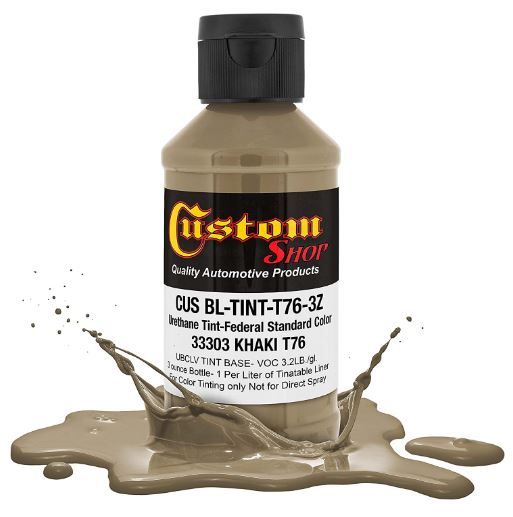
Introducing the 3-ounce bottle of Custom Coat Urethane Tint Concentrate - a highly concentrated Camouflage Series urethane tint that is ideal for altering the color of most tintable truck bed liner coatings. Whether you're using sprayable or rollable applications, this tint concentrate works seamlessly. It's compatible with numerous popular brands, including Custom Coat, Raptor, Gator Guard, and other well-known truck bed liner coatings.
The recommended proportion for this product is 3 ounces of Urethane Tint Concentrate Color per liter or quart-sized container of tintable truck bed liner coating. This ratio ensures that the color concentrate provides a rich, UV-resistant hue that remains vibrant and unfaded, even after prolonged exposure to sunlight. The resilient color quality means your truck bed will maintain its aesthetic appeal for years to come.
The application of the tint concentrate is straightforward and hassle-free. Simply mix the concentrated Custom Coat color tint into a tintable liner coating base such as Custom Coat, Raptor, or Gator Guard. Ensure it's thoroughly mixed by shaking it well, and then you're ready to apply it either by spraying or rolling. This product is not limited to truck beds; it works excellently as a non-skid coating for floors, decks, bathtubs, stairways, and many other surfaces requiring a textured coating.
The Custom Coat Urethane Tint Concentrate offers a wide range of over 50 colors, providing you with a plethora of options to choose from. You can opt for a single color or mix and match different hues to create a multi-colored custom look. If you're aiming for a camouflage pattern, our Camouflage Series colors are matched to actual Federal Color 595 Standards, ensuring an authentic look that meets your expectations.

Easy to work with and gives great results. Good customer service.

The colors don't seem to match the advertised product. The colors always turn out a bit brighter. Pricey for a single bottle of this volume.
Our Thoughts - They have a large variety of colors. Follow the instructions, and you will get great results.

FAQs: Truck Bed Coatings
Should aluminum pickup truck beds be coated?
Simple answer, no! Although aluminum is softer than steel, aluminum pickup truck beds should not be coated.
How long does it take for truck bed coatings to be dry to the touch?
Drying times can vary, but many truck bed coatings are dry to the touch within a few hours. It's important to check the product specifications for exact drying times.
Can I apply truck bed coating over an existing liner?
Yes, you can apply truck bed coating over an existing liner, but you must ensure the surface is clean, free of debris, and lightly sanded for proper adhesion.
How much truck bed coating do I need for my truck?
The amount of coating you need depends on the size of your truck bed and the product's coverage area. Typically, one gallon is enough to cover a standard pickup truck bed with two coats.
What's the best bed coating for a DIY application?
A polyurethane-based roll-on or brush-on kit is the best DIY option. Expect to spend $80–$200, plus a weekend for prep and application. The result is a coating that lasts 5–10 years and handles normal truck use well. Aerosol sprays are easier but significantly less durable.
How long does a DIY truck bed coating last?
With proper prep, a quality DIY polyurethane coating lasts 5–10 years in normal use. UV-stabilized products last longer. Aerosol coatings typically last 2–5 years. Poor prep can reduce any of these to a year or less.
Is a professional spray-in liner worth the cost?
For a truck you plan to keep 10+ years, yes — the $600–$800 pro job delivers 15–20+ years of durability, often with a lifetime warranty. For a truck you'll sell within 5 years or rarely use, a DIY kit at 10% the cost makes more sense.
Can I apply bed coating over an existing bed liner?
Yes, but you need to scuff the existing coating thoroughly (80-grit sandpaper), clean it, and verify compatibility. Polyurethane over polyurethane is usually fine. Polyurethane over polyurea can have adhesion issues — do a test patch first.
How long does it take for a bed coating to fully cure?
Surface dry: 2–4 hours for most products. Walk-on cured: 12–24 hours. Fully cured (ready for heavy use): 5–7 days for most polyurethanes, 24–48 hours for polyurea. Don't load heavy cargo until fully cured.
Can I use my truck during the coating cure period?
After 24 hours, light use is fine for most products (empty bed, normal driving). Heavy cargo should wait until the full cure period is complete — usually 5–7 days. Fresh coating is much more susceptible to tears and punctures during the first week.
Does bed coating prevent rust?
Yes, if applied properly over clean, rust-free metal. Coating seals out moisture and prevents the oxidation that causes rust. Rust already present must be removed before coating — you can't simply cover it up. Coating over rust traps moisture and makes the problem worse.
Can I apply bed coating in cold weather?
Most polyurethane coatings require 55–60°F minimum ambient temperature. Below this, the coating won't flow or cure properly, resulting in a soft, sticky finish that never fully hardens. If you have to apply in cold conditions, warm the garage to 65°F+ and keep it warm for at least 24 hours after application.
How do I remove an old bed coating? Honestly?
It's brutal. Grinding with a wire wheel or sanding disc, chemical paint strippers (which usually don't work well on polyurethane), or sandblasting are the main options. For most people, it's easier to scuff the existing coating thoroughly and recoat over it rather than try to remove it.
Do I need a primer before bed coating?
Depends on the surface. On sound factory paint that's been properly sanded/scuffed, most bed coatings don't need primer. On bare metal, yes — a rust-inhibiting primer is essential. On galvanized or aluminum, use a primer specifically rated for those substrates.
Will bed coating affect my truck's resale value?
Generally, yes — positively. Buyers see a coated bed as a sign that the truck was cared for. Professional spray-in liners add more value than DIY applications because they look cleaner. Poor-quality DIY jobs (obviously bad prep, peeling, inconsistent finish) can hurt value.
Can I color-match my bed coating to my truck?
Yes, tintable kits exist that accept pigment. Results vary — on dark trucks, the color difference is subtle, on lighter trucks, it's more obvious. Full custom color matching is possible with some products, but pro application and factory color-match pigments deliver the best results.
Does bed coating void my factory warranty?
Typically, no, as long as it's applied correctly and doesn't damage factory hardware. However, if you damage paint or trim during application, that's on you. Check with your dealer if you have specific warranty concerns — some manufacturers have opinions on aftermarket modifications.
What if I apply the coating and don't like the result?
You have limited options: sand it down and recoat (more time and money), live with it, or grind it off and start over. Bed coating is essentially permanent, so make sure you're committed before applying. Test a small area if you're uncertain about the texture or finish.
Is there a difference between bed coating and bed liner?
Terminology gets mixed up. "Bed liner" sometimes refers specifically to drop-in plastic inserts (separate product, not a coating). "Bed coating" usually means the sprayed or rolled-on chemical coating. In practice, most people use the terms interchangeably. Just clarify which you mean when shopping.
Looking for additional automotive essentials?
Check out our other articles!
 Save With Reviews
 Save With Reviews
 Save With Reviews