

The best engine paint for most projects is a high-temperature engine enamel rated for at least 500°F, with ceramic resin additives, oil and gasoline resistance, and a self-etching primer laid down underneath. For aerosol DIY work, expect to pay $8 to $20 per can — budget 2 to 3 cans for a full engine block plus primer and (optional) clear coat. Ceramic-based formulas hold up better long-term than standard enamels, and honestly? The prep work matters more than the brand you pick. Skip the prep, and even the best paint flakes off by next summer.
Quick Picks:
- Best Overall → Ceramic-based engine enamel (500°F+) in aerosol form
- Best for High-Performance Builds → 550°F+ engine enamel with hardener additive
- Best Budget → Standard 500°F engine enamel — works fine if you prep properly
- Best for Classic/OEM Restoration → Color-matched enamels (Chevy orange, Ford blue, Pontiac metallic, etc.)
- Best Clear Coat → High-heat clear (500°F+) rated for engine compartment use
- Best Primer → Self-etching primer for bare metal — non-negotiable, really,
Why Engine Paint Is a Different Animal
Regular spray paint — like the can of Rust-Oleum you have in the garage from that fence project — will not survive on an engine. Full stop. Cylinder heads hit 300°F on a normal drive. Exhaust manifolds? Easily 600–900°F. Standard paint bubbles, cracks, and turns to flaky confetti within weeks.
Engine paint is formulated differently. It's built with:
- Heat-stable resins (typically alkyd or modified alkyd, with some ceramic content in the better formulas)
- Solvents that flash fast, so the paint doesn't run when it hits warm metal
- Additives for oil/fuel resistance — because an engine compartment is basically a petroleum splash zone
- UV stabilizers for the parts under the hood that still see sunlight
The good stuff holds up for years. The cheap stuff… well. I painted a valve cover with generic high-heat paint back in 2021 (I'll leave the brand out of this — we've all made purchasing decisions in a hurry at 9 pm the night before a project). Looked amazing for about four months. Then the oil splash started softening it, and by the following winter, it was peeling off in strips. Lesson learned. Sort of.
Engine Paint Temperature Ratings: What They Actually Mean
This trips up a lot of first-time buyers.
| Rating | Where You Use It | Notes |
|---|---|---|
Up to 300°F | Inner fender areas, brackets far from engine | Not really "engine paint" — basic high-temp |
Up to 500°F | Engine block, valve covers, intake manifolds, accessories | The sweet spot for most engine work |
500–1000°F | Exhaust manifolds, headers, turbo housings | This is header paint, not engine paint |
1000–2000°F | Exhaust pipes close to manifold | Usually ceramic-based specialty coatings |
The confusing part: "Engine paint" and "header paint" are NOT the same thing, even though they both sit on the same motor. Engine enamel maxes out around 500°F, which is plenty for block temps. But if you spray engine enamel on headers? Toast. You need actual header paint, which is chemistry from a different planet — usually requires oven curing or extended heat cycling to fully set.
Most projects need both products: engine enamel for the block and accessories, and header paint for the exhaust.
Types of Engine Paint
1. Standard High-Temp Enamel (500°F)
The baseline. Works for most daily-driver engines, restoration projects, and anything where the block stays below ~450°F in normal operation (which is basically every street engine).
- Pros: Affordable, widely available, easy to apply
- Cons: Can soften with prolonged oil exposure if not properly cured, less chip-resistant than ceramic
- Typical use: Weekend builds, general restoration, touch-ups
2. Ceramic-Infused Engine Enamel (500°F+)
Same base chemistry, but with ceramic particles suspended in the resin. These give the cured coating a harder, more chip-resistant, more chemical-resistant finish.
- Pros: Significantly better durability, resists oil/fuel/coolant, stays glossy longer
- Cons: More expensive ($15–$20/can vs. $8–$12), sometimes harder to find locally
- Typical use: Show cars, pro restorations, anything you actually care about looking good in 3 years
3. Two-Part Epoxy / Catalyzed Engine Paint
Professional-tier stuff. Mix a hardener in, spray with a gun, and cure. Nuclear-grade durability.
- Pros: Basically indestructible once cured — chemical-resistant, heat-resistant, looks OEM
- Cons: Expensive, requires spray equipment, isocyanate hardeners (respirator mandatory), unforgiving of application mistakes
- Typical use: Concours restorations, race builds, pro shop work
4. Specialty / Color-Matched Engine Paint
Classic-car specific colors — Chevy orange, Ford Corporate Blue, Pontiac silver, Chrysler turquoise, GM light blue. These are formulated to match factory colors from specific eras, which matters a lot for restoration authenticity.
- Pros: Correct color for your era and manufacturer, good resale value on restored cars
- Cons: Narrower availability, sometimes only sold by restoration specialty shops
- Typical use: Period-correct restoration work
Comparison Table: Engine Paint Options at a Glance
| Type | Price Range | Heat Rating | Durability | Difficulty | Best For |
|---|---|---|---|---|---|
Standard Engine Enamel | $8–$12/can | 500°F | Moderate | Easy | Daily drivers, budget builds |
Ceramic Engine Enamel | $15–$20/can | 500–550°F | High | Easy | Most quality projects |
Color-Matched OEM | $15–$25/can | 500°F | Moderate–High | Easy | Period restorations |
Two-Part Epoxy | $60–$150/kit | 500°F+ | Very High | Hard | Pro/show builds |
Header Paint (separate category) | $10–$18/can | 1000–2000°F | Varies | Moderate | Exhaust manifolds only |
The Part That Actually Matters: Prep
I'm going to keep saying this because it's true — the paint itself is maybe 30% of the outcome. The prep is everything else. Spray the best engine enamel in the world over a greasy block, and it'll peel off in a year. Spray a $9 can of budget enamel over perfectly prepped metal? Could easily last a decade.
Full Prep Sequence
- Degrease thoroughly. Brake cleaner, engine degreaser, or a parts washer. All of the oil film has to go. All of it.
- Remove old paint and rust. Wire wheel, sandblasting, chemical stripper, or aircraft-grade paint remover. Bare metal is ideal, though sound existing paint can stay if it's fully adhered.
- Final solvent wipe. Isopropyl alcohol or acetone on a clean, lint-free rag. This pulls up anything the degreaser missed.
- Mask EVERYTHING you don't want painted. Gasket surfaces. Threaded holes. Machined sealing areas. Anywhere paint overspray could cause a sealing or assembly problem. Take your time here — masking is unsexy, but it's the difference between "clean job" and "oh no."
- Self-etching primer. This is where people cut corners and regret it. Self-etching primer contains a small amount of acid that chemically bonds with bare metal, creating a foundation that the topcoat can grip. Two thin coats. Let each flash for 10–15 minutes.
- Topcoat. 2 to 3 medium-wet coats. 8-inch spray distance. Overlapping passes.
- Cure. This is where most people fail — they assemble the engine before the paint is truly set. Air-dry for at least 24 hours before handling. Ideally, 5–7 days before running the engine. Some folks swear by a low-temp bake cycle in a home oven for small parts (valve covers, brackets) — 200°F for an hour accelerates the cure dramatically.
A small aside — I know a guy in Woodland who did a complete small-block Chevy rebuild in 2023, painted it in the classic orange, and skipped the self-etching primer because "it looked clean." Within six months, the paint on the block was literally falling off in sheets. Pretty orange confetti. He repainted it the next year with proper prep, and it still looks factory. Prep. Matters. So much.
Application Tips (Because Technique Is 50% of This)
- Shake the can for 2 minutes. Not 20 seconds. Two full minutes. The pigments and ceramics settle and need to be fully remixed.
- Warm the can slightly by setting it in warm water (not hot) for a few minutes before spraying — paint flows better when it's 70–80°F vs. a cold can out of the garage.
- Ambient temperature matters. 65–85°F is the window. Too cold = orange peel. Too hot = dry spray (paint dries mid-air and lands as a rough texture instead of flowing out).
- Humidity below ~70%. High humidity traps moisture in the coating and causes "blushing" (a hazy, milky finish).
- Multiple thin coats beat one thick coat. Always. A heavy coat = runs, sags, and trapped solvent that soft-cures and never fully hardens.
- Let it flash between coats. 5–10 minutes depending on temp and humidity. Check the can.
- Final coat should be your "glamour coat" — slightly wetter pass to level out texture.
Ventilation matters too. Engine paints contain volatile solvents (xylene, toluene, naphtha). Spray outside or in a well-ventilated garage with a fan. Wear a real respirator, not a dust mask. Your lungs will appreciate it in 10 years.
Why Engine Paint Fails (And How to Avoid It)
The most common failure modes:
1. Oil Contamination
The #1 killer. You thought the block was clean. It wasn't. Oil seeped out of a casting pore or a gasket surface, and the paint didn't bond in that spot. Solution: degrease twice. Solvent-wipe right before primer.
2. Incomplete Cure
Started the engine too soon. The solvents were still off-gassing. Result: soft paint that scratches with a fingernail. Solution: give it a full week of air cure, or bake small parts at 200°F.
3. No Self-Etching Primer
Laid topcoat straight on bare metal. The paint had nothing to mechanically or chemically bond to. Result: peeling within months. Solution: always use a self-etching primer on bare metal. Non-negotiable.
4. Wrong Temperature Rating
Used 500°F engine enamel on exhaust manifolds. It burned off within two heat cycles. Solution: match the product to the actual temp it will see. Exhaust = header paint. Block = engine enamel.
5. Too-Thick Application
"More is better" instinct kicked in. Laid on heavy coats. Paint never fully sets underneath. Result: soft, fingerprint-catching finish that damages easily. Solution: three thin coats, not one thick one.

Clear Coat Over Engine Paint: Worth It?
Yes — if you're using a high-temp clear specifically rated for engine bay use. A regular automotive clear coat will not survive engine heat.
Benefits of a proper high-temp clear over engine enamel:
- Extra depth and gloss (metallic colors especially benefit)
- Additional chemical resistance to oil/fuel
- Easier to wipe down without marring the color coat
Drawbacks:
- Another product, another cost
- One more cure cycle to get through before running
- Can yellow slightly over many heat cycles on some brands
For a show car or display engine, I'd say yes, add the clear. For a daily driver where nobody's looking under the hood except you? Honestly, a quality ceramic enamel holds up fine without it.
Color Selection: Stock vs. Custom
Restoration purists go period-correct. GM engines from the '60s and '70s were Chevy orange. Ford small blocks were Corporate Blue. Pontiacs got silver or metallic blue. Mopar engines were Chrysler Turquoise or Hemi Orange. The color matters for authenticity and resale on classics.
Custom builds — go wild. Wrinkle black valve covers are timeless. Red blocks on LS swaps. Gold on turbo setups. Whatever fits the build.
One thing to keep in mind: color affects perceived heat. Black and dark colors radiate heat slightly better than light ones. On high-performance builds, some guys spec black or dark finishes on the block for marginal thermal benefit. Is it a meaningful difference? Probably not on a streetcar. But on a race engine? Maybe a few degrees. Depends on who you ask.
Maintenance After Painting
Once the engine is back together and painted, maintenance is honestly pretty simple:
- Let it fully cure before any aggressive cleaning — give the paint at least 2 weeks of heat cycles before you start wiping it down with degreaser
- Avoid harsh solvents. Quick detailer sprays, mild soap, or dedicated engine bay cleaners are fine. Brake cleaner will strip fresh paint — use it only on bare parts, not painted ones.
- Wipe up fluid leaks promptly. Oil sitting on painted surfaces slowly softens most engine enamels over time.
- Check for chips and touch up early. A small chip left unaddressed becomes a rust pit, then a peeling section.
A freshly painted engine in 2026 should easily stay looking sharp for 5+ years with basic care. Ceramic formulas longer. Two-part epoxy, essentially indefinitely.
Final Thoughts
Engine paint is one of those projects where the materials are cheap, but the effort is real. A $40 spend on quality enamel, primer, and clear can transform the look of a tired engine bay — but only if you do the prep work. Degrease, strip, etch, prime, topcoat, cure. Skip any of those steps, and you're painting again next year.
For most builds in 2026, a ceramic-infused engine enamel rated at 500°F is the right choice. Durable, chemical-resistant, forgiving to apply, and available in every color you could want. Pair it with a self-etching primer, and you've got a finish that'll outlast the next timing belt service.
And if you're doing a period-correct restoration? Get the correct color. An LS3 in Chevy orange doesn't make sense. A 350 small block in flat black doesn't either. The right color in the right spot is half the visual impact.
The engine is the heart of the car. Treat it like it deserves a little presentation.
Can we help? We've done the research for you and found the Best Engine Paint on Amazon. Every day, we read hundreds of reviews and try the highest-rated products we have on our list.
Best Engine Paint - Reviews
The Best Including Best Value
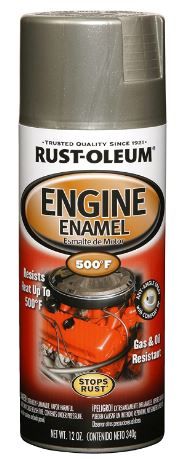
Product information
One of the standout features of this product is its durability. The finish, once applied, is built to last. This means that once you've used it, you can trust in its longevity. It's not a product that will require frequent reapplications or touch-ups. It's designed to withstand the test of time, providing a dependable and long-lasting solution for your needs.
Another impressive attribute of this product is its resilience against various substances. It can effectively resist oil, gas, grease, and even rust. This makes it an ideal choice for use in environments where these substances are prevalent. Furthermore, it's also resistant to salt and humidity, which adds to its versatility. This resistance ensures that the product maintains its appearance and functionality even in harsh conditions.
The availability of industry-standard colors is another significant advantage. This means that you can easily find a color that suits your needs without compromising on quality. Whether you're looking for a specific shade to match existing decor or equipment, or you want to try something new, you'll likely find a suitable option among the available colors.
Finally, the product comes in a convenient 12-oz spray can. This makes the application a breeze, as you can simply spray it onto the desired surface. This eliminates the need for brushes or other tools and makes the process much more straightforward. Plus, the 12-oz size is generous enough to cover a reasonable area, making it a cost-effective choice.

Great paint when the instructions are followed. Great job on a catalytic converter.

As usual, some customers reported that the nozzles didn't work properly.
Our Thoughts - It seems to match well with some OEM colors. If you need to repair any imperfections, do it within an hour; otherwise, the paint may wrinkle.

Very Good
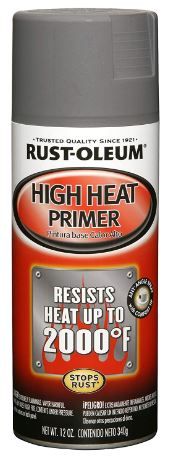
Product information
One of the standout features of this product is its durability. The finish, once applied, is built to last. This means that once you've used it, you can trust in its longevity. It's not a product that will require frequent reapplications or touch-ups. It's designed to withstand the test of time, providing a dependable and long-lasting solution for your needs.
Another impressive attribute of this product is its resilience against various substances. It can effectively resist oil, gas, grease, and even rust. This makes it an ideal choice for use in environments where these substances are prevalent. Furthermore, it's also resistant to salt and humidity, which adds to its versatility. This resistance ensures that the product maintains its appearance and functionality even in harsh conditions.
The availability of industry-standard colors is another significant advantage. This means that you can easily find a color that suits your needs without compromising on quality. Whether you're looking for a specific shade to match existing decor or equipment, or you want to try something new, you'll likely find a suitable option among the available colors.
Finally, the product comes in a convenient 12-oz spray can. This makes the application a breeze, as you can simply spray it onto the desired surface. This eliminates the need for brushes or other tools and makes the process much more straightforward. Plus, the 12-oz size is generous enough to cover a reasonable area, making it a cost-effective choice.

High-quality engine paint that resists high temperatures. Hard to believe that it can take a temperature of 2000°F, but that's what is advertised.

Paint can take up to seven days to fully dry. Can need to be shaken fully.
Our Thoughts - Some cans, like many others we mentioned, have defective spray nozzles. Some of these issues could be operator errors. Let's not forget that this is a primer.

Good
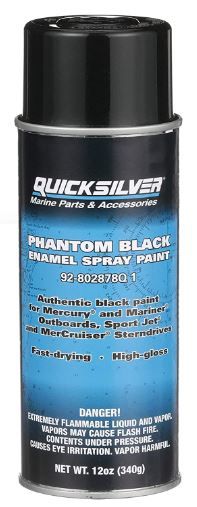
Product information
The product is renowned for its Phantom Black color, a shade specifically designed to complement all-black Mercury outboards and MerCruiser engines and drives. This ensures a seamless visual integration when used with these particular engines or drives. The cohesiveness in design and color adds to the overall aesthetic appeal, making your equipment look not just well-maintained but also chic and professional.
The product is conveniently packaged in a 12-oz spray can. This packaging choice guarantees easy application, making it user-friendly even for those who may be new to maintaining their own outboard or stern drive. The size of the can is generous, providing ample product to cover a significant area. This makes it not only easy to use but also cost-effective, as one can go a long way.
Lastly, it's worth noting that this product is produced by Mercury Marine, following our stringent original equipment manufacturer specifications. This means you can trust in the quality and performance it delivers. Whether you're using a Mercury and Mariner outboard or a MerCruiser stern drive, this product is designed to optimize their performance. It's a testament to the commitment of Mercury Marine to provide top-tier products that enhance the functionality and longevity of your marine equipment.

Gave the correct color for Mercury black. Looks good, like a professional job.

Some cans may have small niggly defects. Nozzles are getting blocked, but that could be an operator error.
Our Thoughts - It's a good paint that resists most engine fluids. It dries fast with a nice gloss.

Very Good
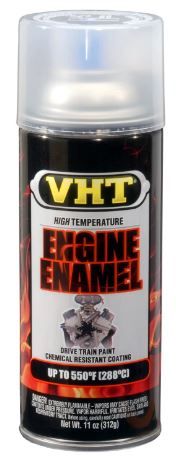
Product information
The first thing to note about this product is its exceptional durability and finish. It's a high-quality product that promises to last, providing a robust coating that can withstand wear and tear. The finish it leaves is also noteworthy. Whether you're restoring old items or adding a protective layer to new ones, this product ensures a clean and polished result.
Another significant feature of this product is its superior resistance to heat and chemicals. This makes it a fantastic choice for environments where these elements are a concern. Furthermore, the product can withstand temperatures up to 500 degrees when properly cured, making it remarkably resilient in various circumstances. This level of resistance is not common, marking this product as a standout in its category.
For optimal results, it's recommended to use this product in conjunction with a primer color paint and a clear coat process. This three-step approach ensures the best possible adherence and finish, enhancing both the appearance and longevity of the coating. Please note, however, that due to certain restrictions, this item is not available for sale on Catalina Island. Despite this, its benefits and features make it an excellent choice for those seeking a durable and resistant coating solution.

The company offers colors to match vehicle OEM specs. Made to resist corrosion.

This can is slightly smaller than others, an 11 oz spray can. A small number of cans had defective nozzles.
Our Thoughts - This paint is made specially to take on high temperatures.

Good
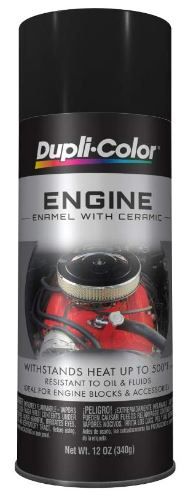
Product information
One of the key attributes of this product is the inclusion of an EZ Touch Conical Nozzle. This feature ensures a smooth and controlled application, making it easy for users to achieve a professional-looking finish. Whether you're a seasoned pro or a first-time user, this nozzle design takes the hassle out of the application process and helps you get the job done efficiently.
The product also boasts maximum heat dissipation and high-gloss retention, thanks to the ceramic resins that can resist heating up to 500 °F. This means your engine blocks and accessories will not only look good but also be protected from high temperatures. Moreover, the product dries to the touch within 30 minutes and is safe to handle for an hour, allowing you to proceed with your project without unnecessary delays.
Finally, this product offers resistance to oil and other automotive fluids, ensuring it will not blister, flake, crack, or peel even under harsh conditions. This robust performance makes it an ideal choice for use on engine blocks and engine accessories. With this product, you can rest assured that you're investing in a solution that offers not just aesthetic appeal, but also long-lasting protection for your engine components.

Also works on suspension parts. Great colors to pick from.

No returns are allowed. Some reported defective spray nozzles.
Our Thoughts - Good brand that will withstand 500F degrees.

Good
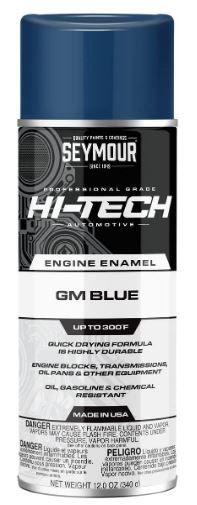
Product information
This product is designed to restore the original factory color to engines, transmissions, and other OEM equipment. It's an ideal solution for those seeking to rejuvenate their machinery and bring back its initial luster. The product does more than just refresh the look of your equipment; it also creates a durable coating that can withstand various stress conditions, ensuring your equipment remains protected in demanding environments.
Impressively, this coating is heat-resistant up to 300F and is also resistant to chemicals and gas. This makes it a superb choice for environments where these elements are prevalent. In terms of application, the product is user-friendly, drying to the touch in just 5 minutes and becoming tack-free in 30 minutes. This quick-drying feature allows for efficient use, saving you time while delivering a high-quality finish.

Good enamel paint can be used for many other applications.

The wrong color of paint was delivered. The nozzle clogged very quickly, which could have been a defective batch.
Our Thoughts - One can not be enough to cover a 6-cylinder engine. You may need a high-temperature primer or two cans of enamel paint.

FAQs: Engine Paint
Can engine paint be applied to plastic components?
Yes, certain engine paints are formulated to adhere to plastic as well as metal surfaces. It's important to check the product specifications to ensure compatibility.
How long does engine paint take to dry?
Drying times can vary depending on the product and environmental conditions. It's recommended to allow at least 24 hours for the paint to fully cure before starting the engine.
Is it necessary to use a primer before applying engine paint?
While some engine paints can be applied directly to the surface, using a self-etching primer is recommended for better adhesion and a more durable finish.
What temperature rating do I need for engine paint?
500°F is sufficient for 99% of the engine block, valve cover, intake manifold, and accessory work. Anything below 500°F is too low — skip it. For exhaust manifolds or headers, you need a separate header paint rated for 1000–2000°F.
Can I use regular spray paint on an engine?
No. Regular spray paint isn't formulated for the heat, oil, fuel, and solvent exposure an engine sees. It will bubble, peel, and fail within weeks. Always use dedicated engine enamel.
Do I need to remove the engine to paint it?
Not necessarily. You can paint an engine in place if you have good access and mask carefully. But an engine-out paint job is always higher quality — better coverage, easier prep, no overspray contamination of wiring and hoses.
How long does engine paint take to fully cure?
Surface dry in 30 minutes to an hour. Handle safely for 24 hours. Fully cured (ready for engine operation) in 5 to 7 days of air curing. Baking small parts at 200°F for an hour accelerates the full cure significantly.
Do I really need a self-etching primer?
On bare metal, yes. Absolutely. Self-etching primer creates a chemical bond with metal that a regular primer can't match. Skipping it is the #1 reason DIY engine paint jobs peel within a year.
Can I paint over existing engine paint?
Yes, if the existing paint is sound (not peeling or flaking). Scuff the existing surface with 320–400 grit sandpaper, clean thoroughly, and apply your topcoat. No primer needed if the existing paint is well-adhered.
What's the difference between engine paint and header paint?
Engine paint is enamel-based and rated for 500°F — designed for the block and accessories. Header paint is usually ceramic or specialty coating rated for 1000–2000°F — designed for exhaust manifolds and pipes. They are NOT interchangeable.
How many cans do I need for a full engine?
For a V8 small block with valve covers, intake, and accessories: budget 2–3 cans of engine enamel, 1 can of self-etching primer, and optionally 1 can of high-temp clear. Always buy one extra can — you will use it.
Can I paint an aluminum engine block with regular engine enamel?
Yes, but self-etching primer becomes even more important on aluminum. Aluminum oxidizes fast and needs the acid-etch to create a bonding surface. Some painters prefer epoxy primer on aluminum for maximum adhesion.
Will engine paint stop rust?
Most quality engine enamels have rust-inhibiting properties, but they're not magic. You need to remove existing rust down to sound metal before painting. Paint over rust = rust that continues underneath the paint until it lifts it off.
Can I use engine paint on other car parts?
Yes. Engine enamel works great on suspension components, brackets, subframes, differential housings, and pretty much any under-hood or undercarriage metal part. It's not just for the engine itself.
Is it worth it to have an engine professionally painted?
For a show-quality finish on a valuable restoration — yes, maybe. For a daily driver or weekend build — DIY is absolutely achievable and saves hundreds of dollars. Professional painting runs $400–$1,200+ for a full engine, depending on the shop and prep work.
Looking for additional paint protection for your vehicle and paint repair essentials? Check out our other articles.
 Save With Reviews
 Save With Reviews
 Save With Reviews