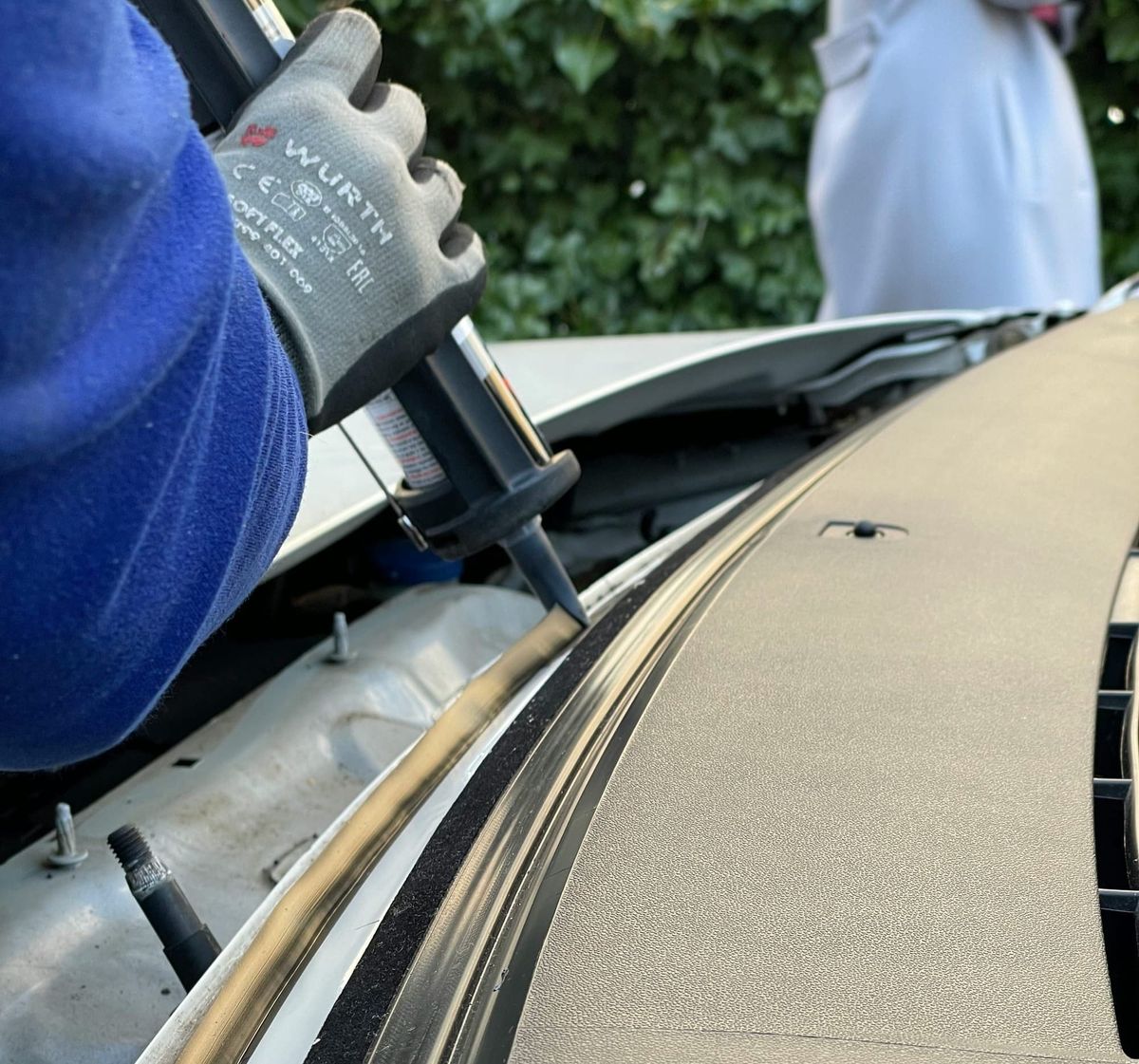
The best automotive adhesive depends on what you are bonding and the conditions the bond must survive. For general-purpose repairs (trim, emblems, moldings), a two-part epoxy or automotive-grade cyanoacrylate (super glue) provides strong, fast bonds. For flexible joints and seams (weatherstripping, body panels, vibration-prone areas), a polyurethane adhesive offers the best combination of strength and flexibility. For high-heat applications (exhaust, engine bay), a silicone-based or high-temp epoxy is required. Always match the adhesive to the material (plastic, metal, glass, rubber) and the environment (heat, moisture, UV exposure) for a lasting result.
Quick Picks:
- Best for General Repairs → Two-part epoxy (metal, plastic, fiberglass, wood)
- Best for Flexible Bonds → Polyurethane adhesive (body panels, weatherstripping, trim)
- Best for High Heat → High-temperature silicone or ceramic-based adhesive (exhaust, engine bay)
- Best for Plastic → Plastic-specific cyanoacrylate or plastic welding adhesive
- Best for Glass → Urethane windshield adhesive or UV-cure glass bonding adhesive
- Best for Quick Fixes → Automotive-grade super glue (gel formula for vertical surfaces)
- Best Sealant → RTV silicone gasket maker (oil pans, valve covers, water pumps)
Why Automotive Adhesives Matter
Modern vehicles use adhesives extensively, not just in manufacturing but in everyday maintenance and repair. Adhesives bond materials that cannot be easily welded, bolted, or screwed together: plastic trim to painted metal, glass to rubber seals, rubber weatherstripping to door frames, emblems to body panels, and interior components to dashboards.
Beyond bonding, automotive adhesives serve three critical functions:
- Sealing: They create watertight and airtight barriers that prevent moisture intrusion, which causes rust, electrical corrosion, and interior water damage.
- Vibration damping: Adhesive bonds absorb and distribute vibration energy across a joint, reducing noise, preventing rattles, and decreasing fatigue stress on components.
- Corrosion prevention: By sealing the interface between dissimilar metals (steel to aluminum, for example), adhesives prevent galvanic corrosion that would otherwise degrade the joint over time.
The right adhesive can save a $300 repair by reattaching a piece of trim that would otherwise require a full replacement. The wrong adhesive can fail within days, damage the surface it was applied to, or create a bigger problem than the one you started with.
Types of Automotive Adhesives and When to Use Each
1. Epoxy (Two-Part)
Two-part epoxy consists of a resin and a hardener that are mixed immediately before application. The chemical reaction between the two components creates an extremely strong, rigid bond.
| Property | Details |
|---|---|
Bond strength | Very high (structural-grade) |
Flexibility | Low to moderate (rigid when cured) |
Temperature resistance | Standard: up to 250°F (121°C). High-temp formulas: up to 500°F (260°C) |
Cure time | 5 minutes to 24 hours (depending on formula) |
Best surfaces | Metal, fiberglass, hard plastic, wood, ceramic |
Price range | $5 to $20 |
Best for: Filling gaps, bonding metal to metal, repairing cracked plastic housings, fiberglass repair, rebuilding broken mounting tabs, and any application where a rigid, high-strength bond is needed.
Limitations: Not ideal for flexible joints or surfaces that move or vibrate significantly. Rigid epoxy can crack under repeated flexing. Surface preparation (sanding, degreasing) is critical for maximum adhesion.
2. Polyurethane Adhesive
Polyurethane (PU) adhesives cure into a strong but flexible bond that can absorb vibration, accommodate thermal expansion, and resist moisture. They are widely used in automotive manufacturing for structural bonding.
| Property | Details |
|---|---|
Bond strength | High |
Flexibility | High (remains flexible after curing) |
Temperature resistance | Up to 200°F to 300°F (93°C to 149°C) |
Cure time | 1 to 24 hours (moisture-cured) |
Best surfaces | Metal, plastic, rubber, glass, painted surfaces, wood |
Price range | $8 to $25 |
Best for: Windshield bonding, body panel adhesion, weatherstripping, trim that experiences vibration or thermal movement, and any joint where flexibility is required. Polyurethane is the adhesive of choice for professional windshield replacement.
Limitations: Longer cure time than epoxy or cyanoacrylate. Can be messy to work with (expands slightly as it cures). UV exposure can degrade uncovered polyurethane over time (paint over it or use UV-stable formulas for exposed applications).
3. Cyanoacrylate (Super Glue)
Automotive-grade cyanoacrylate (CA) glue bonds almost instantly and works on a wide range of materials. Gel formulas are preferred for automotive use because they do not run on vertical surfaces and fill small gaps better than liquid formulas.
| Property | Details |
|---|---|
Bond strength | Moderate to high (excellent on smooth, tight-fitting surfaces) |
Flexibility | Low (brittle when cured) |
Temperature resistance | Up to 180°F to 250°F (82°C to 121°C) |
Cure time | 10 to 60 seconds (surface bond), 24 hours (full cure) |
Best surfaces | Plastic, rubber, metal, ceramic, some fabrics |
Price range | $4 to $15 |
Best for: Quick repairs on small parts: reattaching trim clips, fixing cracked interior pieces, bonding rubber gaskets, repairing plastic tabs, and any small-area bond where speed matters.
Limitations: Brittle. Not suitable for joints that flex, vibrate, or bear significant load. Poor gap-filling ability (liquid formulas). Can fog or whiten surrounding surfaces if fumes are trapped (called "blooming"). Not effective on oily or contaminated surfaces without thorough cleaning.
4. Silicone Adhesive/Sealant (RTV)
Room-Temperature Vulcanizing (RTV) silicone is primarily a sealant, but it also provides adhesive bonding for applications where flexibility and temperature resistance are the priority.
| Property | Details |
|---|---|
Bond strength | Low to moderate (sealant-grade, not structural) |
Flexibility | Very high (remains rubbery permanently) |
Temperature resistance | Standard: up to 450°F (232°C). High-temp: up to 600°F+ (316°C+) |
Cure time | Surface skin: 1 hour. Full cure: 24 hours |
Best surfaces | Metal, glass, rubber, some plastics |
Price range | $5 to $15 |
Best for: Gasket making (valve covers, oil pans, water pumps, thermostat housings), sealing electrical connections, weatherproofing, and any application where a flexible, heat-resistant seal is more important than structural bond strength.
Limitations: Not a structural adhesive. Should not be used as the sole bonding agent for load-bearing joints. Some formulas release acetic acid (vinegar smell) during curing, which can corrode copper and brass. Use "sensor-safe" or "non-corrosive" RTV for applications near electronics or sensitive metals.
5. Contact Cement / Spray Adhesive
Contact adhesives are applied to both surfaces, allowed to become tacky, and then pressed together for an instant bond. Spray adhesives are a convenient aerosol form of contact cement.
| Property | Details |
|---|---|
Bond strength | Moderate |
Flexibility | Moderate to high |
Temperature resistance | Up to 150°F to 200°F (66°C to 93°C) |
Cure time | Instant bond on contact (after tack time of 5 to 15 minutes) |
Best surfaces | Fabric, foam, headliner material, carpet, vinyl, leather |
Price range | $8 to $20 |
Best for: Headliner reattachment, carpet and floor mat bonding, door panel fabric, seat foam to frame bonding, and any large-area fabric-to-surface application.
Limitations: Not suitable for structural bonds, high-heat areas, or exterior applications exposed to weather. Fumes are strong during application (work in a well-ventilated area or outdoors). Repositioning is difficult once surfaces make contact.
6. Thread Locker
Thread locking adhesives are applied to bolt and screw threads to prevent loosening from vibration. They are not general-purpose adhesives but are essential for automotive fastener security.
| Property | Details |
|---|---|
Types | Blue (medium-strength, removable), Red (high-strength, permanent), Green (wicking, for pre-assembled fasteners) |
Best for | Bolts, screws, and threaded fasteners subject to vibration |
Price range | $5 to $12 |
Blue thread locker is the most commonly used in automotive applications. It prevents bolts from vibrating loose while still allowing removal with standard hand tools. Red thread locker creates a permanent bond that requires heat (above 450°F) to break. Use red only on fasteners you do not intend to remove regularly.
Quick Reference: Adhesive Selection by Application
| Application | Recommended Adhesive Type |
|---|---|
Trim and emblem reattachment | Two-part epoxy or automotive double-sided tape |
Weatherstripping | Polyurethane or contact cement |
Windshield bonding | Urethane windshield adhesive |
Headliner repair | Spray adhesive (headliner-specific) |
Gasket sealing | RTV silicone (sensor-safe) |
Exhaust repair | High-temperature epoxy or exhaust wrap + clamp |
Plastic repair | Plastic-specific CA glue or plastic welding adhesive |
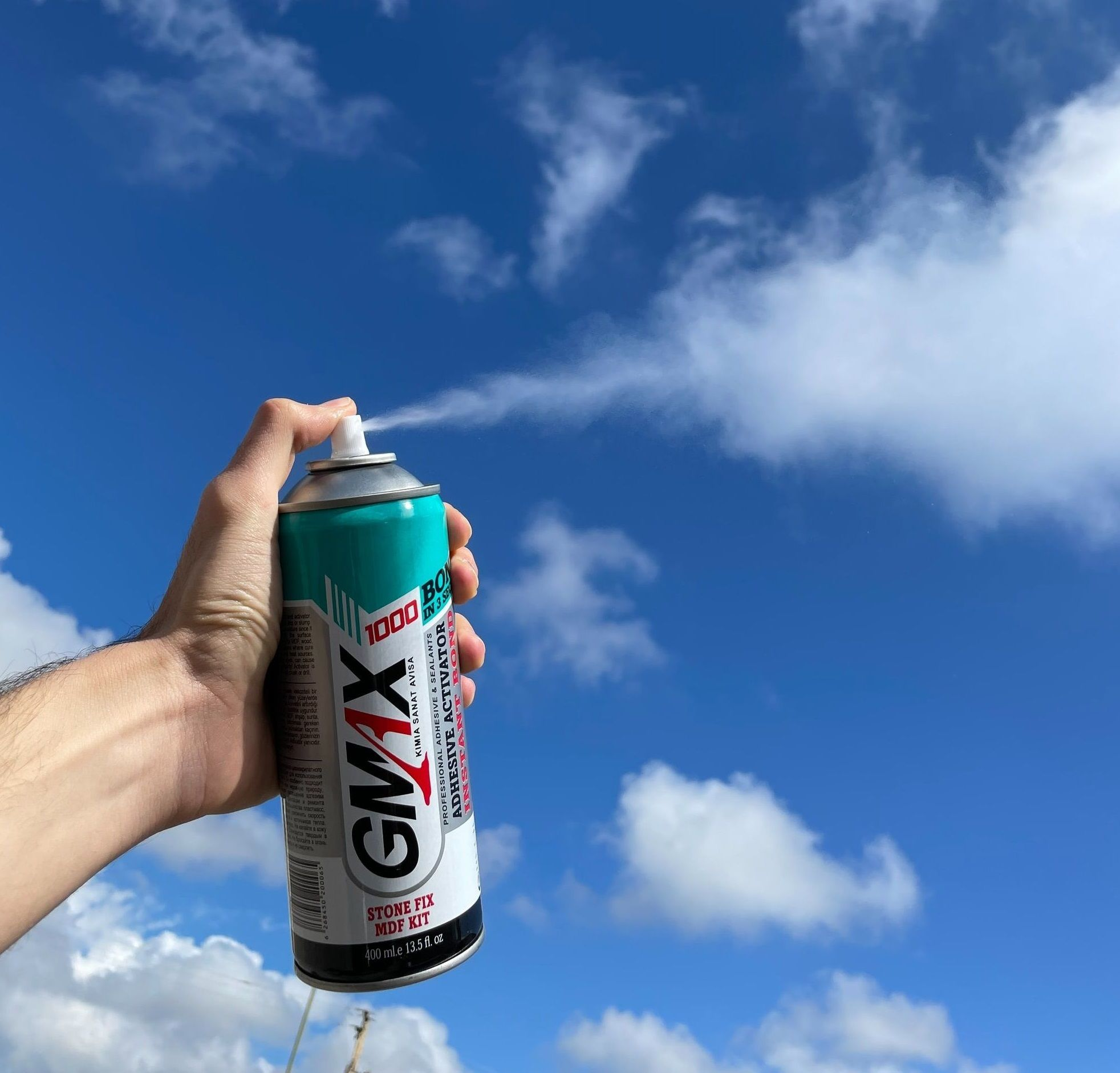
Rearview mirror reattachment | Mirror bonding kit (specialized adhesive + activator) |
Metal-to-metal bonding | Two-part epoxy or polyurethane |
Bolt and screw security | Thread locker (blue for removable, red for permanent) |
Interior fabric and vinyl | Contact cement or spray adhesive |
Battery terminal protection | Dielectric grease or terminal protector spray (not adhesive) |
How to Choose the Right Automotive Adhesive
Step 1: Identify the Materials Being Bonded
The most common reason adhesive bonds fail is using a product that is not compatible with the surface material.
| Material | Compatible Adhesive Types |
|---|---|
Metal to metal | Epoxy, polyurethane, structural acrylic |
Plastic to plastic | Plastic-specific CA, epoxy (roughened surface), plastic weld |
Plastic to metal | Polyurethane, flexible epoxy, structural acrylic |
Glass to metal | Urethane, UV-cure glass adhesive |
Rubber to metal | Contact cement, polyurethane, flexible CA |
Fabric to plastic/metal | Spray adhesive, contact cement |
Leather/vinyl to foam | Spray adhesive, contact cement |
Step 2: Consider the Environment
Where will the bond live? The answer determines which properties matter most.
- Engine bay: High heat, oil exposure, vibration → High-temp epoxy or silicone
- Exterior body: UV exposure, rain, temperature swings → UV-resistant polyurethane or automotive tape
- Interior: Low stress, moderate heat, aesthetic requirements → CA glue, contact cement, or interior-specific adhesive
- Undercarriage: Moisture, road salt, debris impact → Polyurethane or rubberized undercoating adhesive
- Exhaust system: Extreme heat (up to 1,000°F+) → Exhaust-specific high-temp paste or wrap (most adhesives cannot survive exhaust temperatures)
Step 3: Determine Bond Requirements
| Requirement | Best Adhesive Type |
|---|---|
Maximum strength (structural) | Two-part epoxy or structural acrylic |
Flexibility (movement/vibration) | Polyurethane |
Speed (fast cure) | Cyanoacrylate (super glue) |
Heat resistance | High-temp silicone or ceramic adhesive |
Gap filling | Epoxy or polyurethane |
Waterproof seal | RTV silicone or polyurethane |
Removability | Blue thread locker, automotive double-sided tape |
Step 4: Check Cure Time vs. Your Timeline
- Need it fixed in 60 seconds? → Cyanoacrylate
- Can you wait 1 to 4 hours? → Fast-set epoxy
- Can you wait 24 hours? → Polyurethane or standard epoxy (strongest bonds)
- Need an instant contact bond? → Contact cement (after tack time)
How to Apply Automotive Adhesive for the Best Results
Surface Preparation (The Most Important Step)
The number one reason adhesive bonds fail is poor surface preparation. Even the strongest adhesive will not hold on a dirty, oily, or oxidized surface.
- Clean both surfaces with isopropyl alcohol (90%+) or a dedicated surface prep wipe. Remove all grease, oil, wax, silicone residue, and dust.
- Sand or scuff smooth surfaces lightly with 180 to 320 grit sandpaper. This creates a mechanical "tooth" for the adhesive to grip. Especially important for metal and hard plastic.
- Dry completely. Any moisture on the surface will weaken most adhesive bonds (exception: polyurethane, which is moisture-cured and benefits from slight humidity).
- Apply within minutes of cleaning. Surfaces begin collecting contaminants immediately. Do not clean a surface and then come back to it an hour later.
Application Tips
- Apply the right amount. More adhesive does not mean stronger. Excess adhesive squeezes out, creates a mess, and can actually weaken the bond by preventing full contact between surfaces.
- Clamp or tape during cure. Consistent pressure during curing produces a stronger bond. Use spring clamps, painter's tape, or a weight to hold parts in position.
- Follow the cure time. Do not stress the bond before it is fully cured. A 5-minute epoxy reaches handling strength in 5 minutes but full structural strength in 24 hours.
- Temperature matters. Most adhesives cure best between 60°F and 80°F (15°C to 27°C). Cold temperatures slow curing. Extreme heat can cause some adhesives to cure too fast, resulting in a weaker bond.
Common Automotive Adhesive Mistakes
- Using the wrong adhesive for the material. Standard super glue on flexible rubber will crack and fail. Epoxy on a joint that flexes will eventually break. Match the adhesive to the material and the movement.
- Skipping surface preparation. A 30-second wipe with alcohol and a light scuff with sandpaper can be the difference between a bond that lasts years and one that fails in weeks.
- Applying adhesive to hot surfaces. An adhesive applied to a warm engine component may cure too fast or not bond properly. Let surfaces cool to room temperature before application.
- Using household adhesives for automotive applications. Craft glue, school glue, and general-purpose household adhesives are not formulated for the temperature extremes, vibration, and chemical exposure that automotive environments demand.
- Expecting adhesive to replace mechanical fasteners on structural components. Adhesives are excellent for bonding, sealing, and supplementing mechanical fasteners. They are not a substitute for bolts on suspension components, engine mounts, or safety-critical structures.
- Ignoring cure time. Driving the vehicle or stressing the bond before the adhesive has fully cured is the most common cause of premature failure. If the label says 24 hours, wait 24 hours.
Automotive Adhesive for Common DIY Repairs
Here are the most frequent DIY repair scenarios and the right adhesive for each.
| Repair | Recommended Product | Notes |
|---|---|---|
Reattach side molding or trim | Automotive double-sided tape (3M VHB) or polyurethane | Clean both surfaces thoroughly. 3M VHB tape is often the easiest solution. |
Fix a sagging headliner | Headliner-specific spray adhesive | Apply to both the headliner fabric and the roof substrate. Work in sections. |
Reattach rearview mirror | Mirror bonding kit (activator + adhesive) | Use only a kit designed for this purpose. Standard glues will not hold. |
Seal a leaking gasket | RTV silicone gasket maker (sensor-safe) | Apply a thin, even bead. Do not over-apply. Allow 24 hours to cure before adding fluids. |
Repair cracked plastic bumper | Plastic welding adhesive or flexible epoxy | For structural cracks, plastic welding (with a soldering iron and plastic rod) is stronger than adhesive alone. |
Reattach weatherstripping | Weatherstrip adhesive (contact cement type) | Apply to both the weatherstrip and the channel. Let tack up before pressing together. |
Secure loose bolts from vibration | Blue thread locker | Apply a small drop to clean, dry threads before assembly. |
Patch a small rust hole | Fiberglass repair kit (resin + cloth) + epoxy | Not a permanent structural fix, but effective for small non-structural areas. |
Conclusion
Automotive adhesives are one of the most versatile and cost-effective tools in vehicle maintenance and repair. The key to a successful bond is matching the adhesive type to the materials, the environment, and the stress the joint will experience.
For most DIY repairs, three products cover the majority of situations: two-part epoxy for rigid, high-strength bonds on metal and hard plastic; polyurethane adhesive for flexible, vibration-resistant bonds on body panels, trim, and weatherstripping; and RTV silicone for heat-resistant sealing on gaskets and fluid-contact surfaces.
Prepare the surface properly, apply the right amount, clamp during curing, and respect the full cure time. A $10 tube of the right adhesive, applied correctly, can save hundreds in parts and labor.
Can we help? We've done the research for you and found the Best Automotive Adhesive on Amazon. Every day, we read hundreds of reviews and try the highest-rated products we have on our list.
Best Automotive Adhesive - Reviews
The Best
Product information
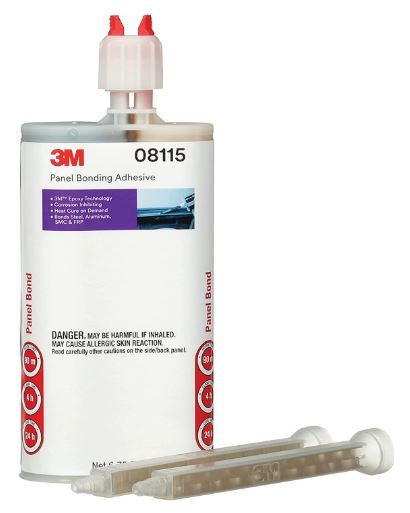
When it comes to professional-grade products, this adhesive ranks at the top and is highly recommended by numerous Original Equipment Manufacturers (OEMs). It's a two-part epoxy adhesive, a feature that offers users the flexibility of an extended work time. If you're in a hurry, you can also rapidly cure it with heat. This adhesive's versatility is impressive, providing excellent adhesion on a wide range of plastic and metal substrates.
In addition to its strong bonding capabilities, it has multiple uses. It's perfect for bonding door skins, roof skins, quarter panels, box sides, and bumper covers. One unique feature of this adhesive is its glass bead technology. This technology helps protect against over-clamping and ensures a minimum bond line thickness is maintained. The package also includes two static mixing nozzles for ease of use. However, it's important to note that this product is intended for industrial or occupational use and is not available for consumer sale or use.

Almost as good as welding. Awesome product from 3M.

Can't return this product because it's classified as toxic.
Our Thoughts - This is a great adhesive, a stronghold, and is versatile. Being a
two-part epoxy, make sure to read the instructions. Mix the two-part epoxy properly before use, and it will create a very strong mixture.

Very Good
Product information
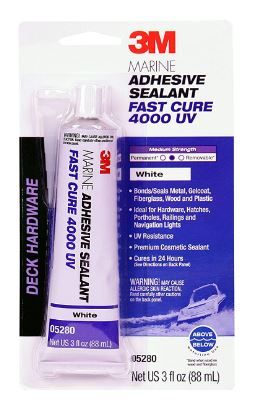
This one-part adhesive sealant is designed with efficiency in mind, typically curing in as little as 24 hours. This fast-acting solution allows you to get back on the water faster, minimizing downtime. It's perfect for a variety of applications, both above and below the waterline, making it an ideal choice for sealing through-hull fittings, deck hardware, porthole frames, and screw holes.
Beyond its fast curing time, this adhesive sealant boasts a long-lasting formula. Its superior UV resistance ensures reliable performance over time, providing a durable solution for all your sealing needs. Adding to its versatility, the sealant can be painted immediately after application. Moreover, its medium-strength, semi-permanent nature allows for disassembly without damage, meaning bonded parts can be safely removed after prolonged use. As a one-component, moisture-curing, gap-filling sealant, it cures to form a firm, flexible, and waterproof seal on aluminum, wood, gel coat, and fiberglass. This makes it exceptionally well-suited for marine applications, whether above or below the waterline.

Another great product from a reputable company. It does a good job.

Packaging and delivery need improvement. Some customers complained of niggly issues that shouldn't have happened.
Our Thoughts - 3M adhesive sealant does what it's supposed to do. The application is easy and has the potential for many uses. Remember, it's an adhesive sealant, not a pure adhesive.

Good
Product information
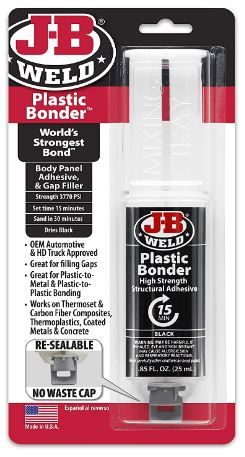
J-B Weld Plasticbonder, in its distinctive black color, is a quick-setting, multipurpose, two-part urethane adhesive and gap-filling system. This product not only provides a strong and lasting bond to numerous plastic surfaces but also proves to be an excellent solution for various DIY plastic repairs, from filling dents to bumper repairs. One of its standout features is the innovative packaging - the adhesive now comes in a syringe that facilitates an easy 1:1 mix ratio. The syringe's unique design includes a resealable cap that prevents drying out and leakage, thereby allowing for multiple uses.
When it comes to cure and set time, the J-B Weld Plasticbonder is fast and efficient. After mixing the two-part formula with the included mixing tray and stir stick, the adhesive takes about 15 minutes to set and approximately 30 hours to cure. Notably, the set and cure color of this product is black. The strength of the J-B Weld Plasticbonder is impressive, boasting a tensile strength of 3770 PSI. It's versatile too, with surface applications that include thermoset and carbon fiber composites, thermoplastics, and coated metals, as well as plastic and PVC. It can also be used on concrete, ceramic and tile, fiberglass, and aluminum, making it a truly multi-purpose adhesive.

A very good product when used the way it should be. Make sure that the adhesive comes out of the syringe in equal parts, then mix it properly before applying.

Some users complained that it didn't do the job. But we don't understand why. Could it be that they used it like sticking paper together when they were in kindergarten?
Our Thoughts - There are hundreds, if not thousands, of types of plastic. However, there are two main categories: thermoplastics and thermosets. These two are very different with different characteristics. One type of adhesive can't fix both.

Good
Product information
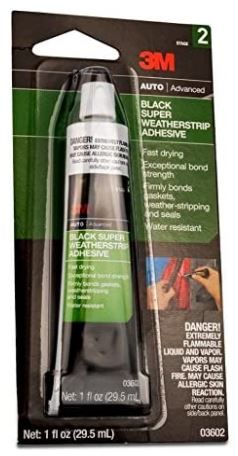
This product offers a flexible, waterproof bond that stands up to vibration, providing a reliable and durable solution for a myriad of applications. The adhesive is easy to brush and spread directly from the tube, offering users a time-saving convenience that makes any repair task less daunting. Notably, this adhesive exhibits resistance to oils, solvents, detergents, and temperature changes, making it an optimal choice for permanent repairs in various environments.
Suitable for bonding diverse surfaces, this adhesive works well with vinyl, metal, fabrics, and rubber. This versatility makes it a go-to product for many users. The adhesive was developed by 3M, a trusted brand known for its innovative products. It's particularly effective for bonding with weatherstripping around doors, trunks, T-tops, and sunroofs. Moreover, it provides excellent results when used around windows, ensuring a secure and lasting bond that withstands all weather conditions.

Works great! Plastic to plastic or plastic to rubber, no problem.

Packaging and delivery need improvement. Some customers complained that the product was delivered already damaged. Tricky to use.
Our Thoughts - We think that many of the niggly issues are not from the product but the user. It's a good product from a very reputable company.

Best Value
About this item
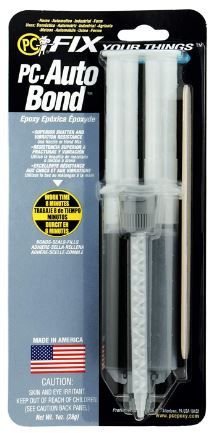
This cold-weld epoxy adhesive paste is specifically designed to bond various materials commonly found in automotive applications, including metal, rubber, fiberglass, and glass. It forms a robust bond that has the unique ability to flex, providing excellent resistance to impact and vibration. This characteristic makes it an ideal choice for use in environments where materials may be subjected to regular movement or varying levels of physical stress.
Another impressive feature of this adhesive is its wide range of continuous service temperatures, from -20 degrees Fahrenheit to +250 degrees Fahrenheit. This ensures reliable performance in both extreme cold and hot conditions. The adhesive offers a work time of 8 minutes, allowing ample time for application and adjustment. Afterward, it requires between 12 and 24 hours to fully cure at a standard room temperature of 75 degrees Fahrenheit. In addition to these features, the adhesive is also water-resistant, further enhancing its durability and versatility in various conditions and applications.

This is a great product for the right job.

Some customers complained that it didn't hold. Read the instructions before using.
Our Thoughts - Companies spend a lot of money on research and development before releasing a product to the market. We don't understand why users complain when they don't read instructions and then make a mess or expect miracles.

FAQs: Automotive Adhesives
What is the strongest automotive adhesive?
For rigid bonds, two-part structural epoxy provides the highest shear and tensile strength. For flexible bonds that must also resist vibration and temperature changes, polyurethane adhesive is the strongest practical choice. The "strongest" adhesive depends on the specific application and stress type.
Can I use regular super glue on my car?
For very small, non-structural repairs (reattaching a broken interior clip, fixing a cracked knob), automotive-grade super glue (gel formula) works. Standard household super glue is more brittle and less resistant to heat and moisture. For anything exposed to weather, vibration, or heat, use a product specifically formulated for automotive use.
What adhesive works best on car plastic?
Plastic-specific cyanoacrylate (with a primer/activator for difficult plastics like polypropylene and polyethylene) or a two-part plastic welding adhesive. Standard epoxy bonds well to roughened hard plastics (ABS, polycarbonate) but poorly to flexible or waxy plastics without surface treatment.
How do I remove old automotive adhesive?
Heat (heat gun on low setting) softens most adhesives for scraping. Adhesive remover products (3M adhesive remover, Goo Gone Automotive) dissolve residue. Isopropyl alcohol removes lighter residue. For stubborn adhesive on paint, use a plastic razor blade to avoid scratching.
Is automotive adhesive waterproof?
Most polyurethane adhesives and RTV silicone sealants are fully waterproof when cured. Epoxy is water-resistant but not always fully waterproof in submerged conditions. Cyanoacrylate is moisture-resistant but can degrade with prolonged water exposure. Check the product label for specific waterproof ratings.
Can adhesive replace welding on a car?
For non-structural applications (trim, moldings, interior components, sealing), yes. For structural components (frame, suspension mounts, roll cages), no. Structural bonding in automotive manufacturing uses specialized adhesives combined with mechanical fasteners, applied under controlled factory conditions. DIY adhesive repairs should not be relied upon for safety-critical structural joints.
How long does automotive adhesive last?
A properly applied bond with the correct adhesive on clean, prepared surfaces can last the life of the vehicle (10+ years). Bonds fail prematurely due to poor surface preparation, wrong adhesive selection, insufficient cure time, or environmental conditions exceeding the adhesive's rated limits.
What temperature can automotive adhesive withstand?
It varies widely by type. Standard epoxy handles up to 250°F. Polyurethane handles 200°F to 300°F. Standard RTV silicone handles up to 450°F. High-temperature silicone and ceramic adhesives can handle 600°F to 2,000°F+. Always check the product's rated temperature range and match it to your application.
Can automotive adhesives replace welding or mechanical fasteners?
Yes, in many cases, automotive adhesives can replace welding or mechanical fasteners. They offer a strong bond that can withstand the stresses of driving and are particularly useful for materials that are difficult to weld or screw together.
Are there different types of adhesives for different materials?
Absolutely. There are specific adhesives formulated for bonding different materials such as plastic, metal, glass, vinyl, and leather. It's important to choose the right adhesive for the material to ensure the best bond and performance. Also, battery terminals can be protected, as they are susceptible to vicious corrosion.
How do I prepare a surface for adhesive application?
To prepare a surface for adhesive application, it should be clean, dry, and free of any grease, oil, or dirt. Some adhesives may also require the surface to be slightly roughened to improve adhesion. Always follow the manufacturer's instructions for the best results.
Check out these other articles; they may be of interest to you!
 Save With Reviews
 Save With Reviews
 Save With Reviews