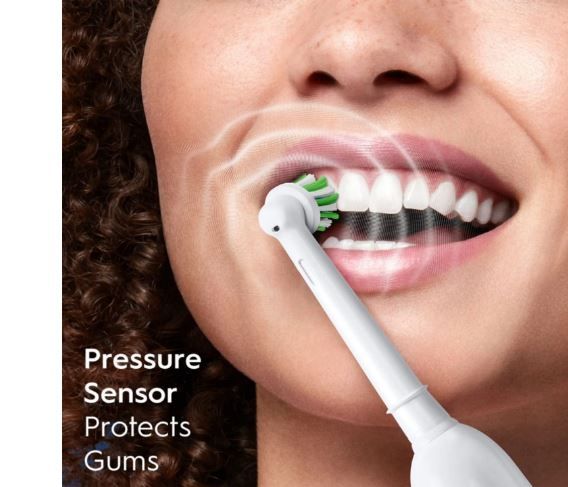
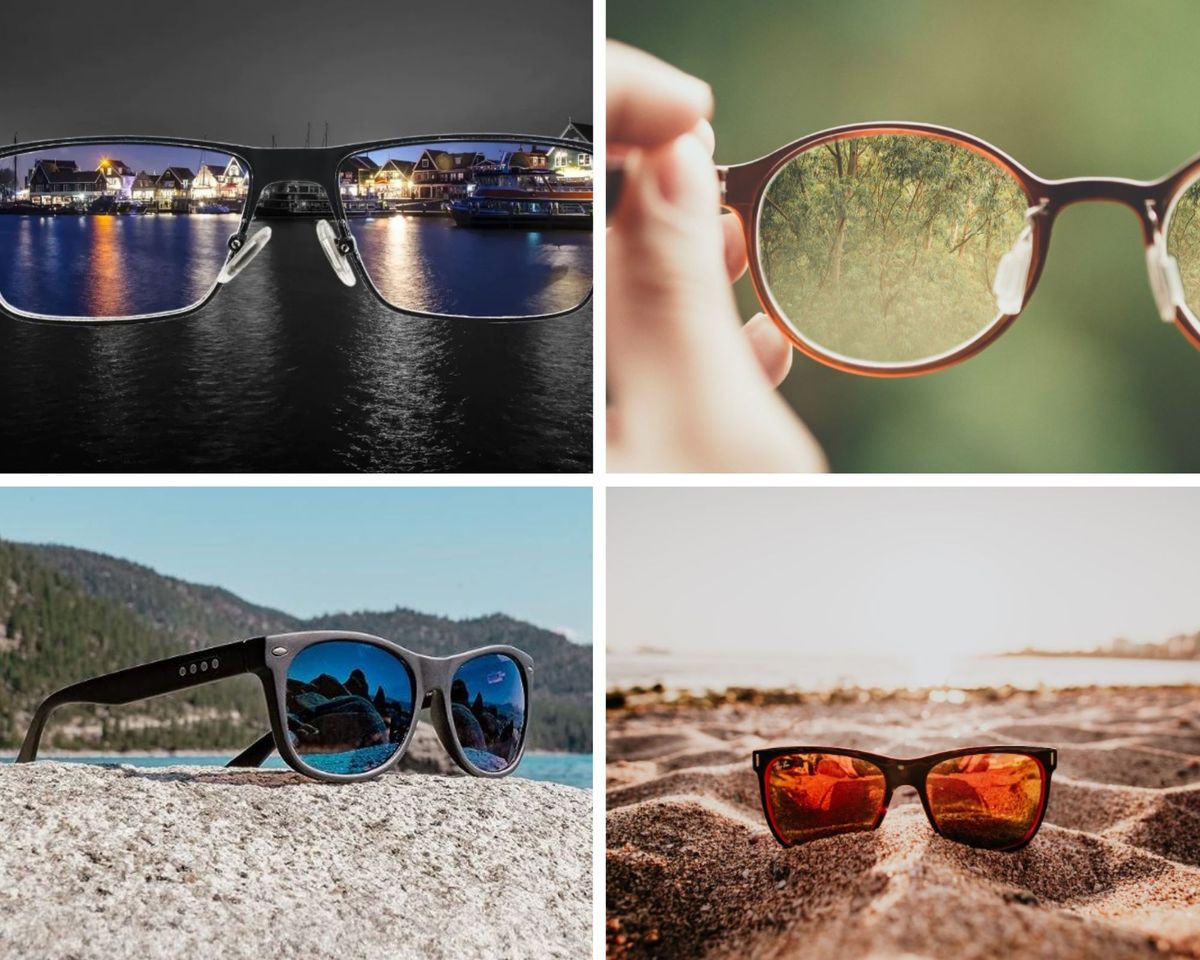
Color-blindness correction glasses can feel pretty incredible for the right person. They don’t “fix” color vision in a medical sense, but many models use carefully tuned filters to reduce overlap between certain wavelengths of light. In plain terms: they can make confusing colors look more distinct, so the world may feel richer—more “separated,” more readable.
Still, not every pair works for every type of color vision deficiency. Before spending money, it’s worth understanding which kind you have and how strong it is, because lens designs are usually targeted at specific patterns of color confusion.
When you recognize what type of color blindness you are influenced by, you need to have an idea of when and where you will wear your glasses most. Some glasses are designed for indoor use, while others are slightly tinted and are also the best fit for the outdoors. If you intend to wear your improvement glasses over prescription glasses, you should seek a pair specially created for this function. You ought to likewise find a pair of glasses with a frame design that suits you.
Step one: know your type (and your everyday lighting)
Once you know what kind of color blindness you’re dealing with, think about when you’ll actually wear the glasses:
- Indoor vs. outdoor: Some lenses are optimized for indoor lighting (LEDs, fluorescent lighting), while others are made for sunlight and can look slightly tinted.
- Over-prescription glasses: If you need vision correction, look for models designed to fit over your existing frames, or consider prescription-compatible options.
- Fit and comfort: The best lenses won’t help if you hate the frame or get headaches from a poor fit.
What is color blindness, exactly?
Color blindness (more accurately called color vision deficiency) means you have trouble telling certain colors apart. It usually affects both eyes and is typically lifelong. It happens because the cone cells in the retina—the photoreceptors responsible for color—are missing, altered, or not working as expected.
A simplified way to think about severity:
- If a cone type is absent or nonfunctional, color discrimination can be more limited.
- If cone types exist but their sensitivity is shifted, color confusion is often milder to moderate.
Lighting matters too. Some people function “fine” in bright conditions, then struggle more under dim light, glare, or certain indoor bulbs.
A very rare condition called achromatopsia can cause someone to see the world mostly in shades of gray (and often includes light sensitivity). That’s not the typical form most people mean when they say “color blindness,” but it does exist.
Common types of color vision deficiency
1) Red–green color blindness (most common)
This is the most common category. It usually involves differences in the cones that respond to red- or green-associated wavelengths.
Depending on the subtype:
- Reds, greens, oranges, and browns can blend.
- Some purples may look more like blues.
- Certain shades may look “muted” or simply harder to separate—especially in busy, real-world scenes (traffic lights at a distance, charts, wires, maps).
You don’t “see only red and green,” though—that’s a common misunderstanding. Most people with red–green deficiency still perceive many colors, just with less reliable separation between specific ranges.
2) Blue–yellow color blindness (less common)
Often associated with differences in blue-sensitive cones. People may struggle to distinguish:
- Blues from greens in certain shades
- Yellows from grays or pale purples
- Some pinks from lighter tones
Is color blindness common?
Yes—common enough that lots of people live with it for years before realizing there’s a name for what they’re experiencing. Some notice it in school (colored worksheets, maps), others during driving, design work, sports, or even cooking (is that steak “pink” or just… not?).
The important part: color vision deficiency isn’t one single experience. It varies by type and severity, and that’s why a random pair of tinted glasses isn’t a guaranteed win.
If you want a clearer answer about your specific pattern, a color vision screening through an optometrist is the most reliable route. There are also online tests that can be helpful for a first hint, though they’re sensitive to screen settings and room lighting.
How to know if corrective glasses might help
If you’re considering color-blindness glasses, match the product to your diagnosis. Different lenses target different confusions (and some brands are more specific than others).
In general:
- These glasses tend to be most helpful for certain red–green deficiencies.
- Results range from “wow, that’s new” to “subtle, but useful” to “not much difference,” depending on the person and environment.
- They’re an aid—not a cure—and they won’t suddenly make every color “normal,” even if marketing sometimes implies that.
Benefits: why people try them
Color vision deficiency isn’t just a trivia fact; it can affect everyday tasks like:
- Driving (signals, brake lights in glare, signage contrast)
- School or work (charts, color-coded systems, wiring)
- Hobbies (knitting, painting, gardening, gaming UI)
Some glasses are designed mainly to make color separation easier, while others emphasize particular viewing conditions (like outdoor brightness).
Indoor vs. outdoor lenses
Lighting can totally change performance.
- Indoor-oriented lenses aim to compensate for artificial lighting that can flatten or distort color.
- Outdoor-oriented lenses often rely on brighter light and may include stronger tinting, which can boost contrast and separation in sunlight.
- All-around lenses exist, but they’re usually a compromise—convenient, not perfect everywhere.
When choosing, focus on where you actually want the improvement: office lighting, classrooms, outdoors, driving, sports, etc.
Conclusion
Color blindness doesn’t have to shrink your visual world. Color-correcting glasses won’t “repair” the biology of vision, but they can meaningfully improve how some people distinguish problematic colors—especially when the lenses are matched to the user’s type of deficiency and the environment they’re used in.
If you want, tell me who this rewrite is for (product page, blog post, medical explainer, or casual buyer’s guide), and I’ll tailor the tone and length.
Need help? We've done the research for you and found the Best Color Blind Glasses on Amazon. Every day, we read hundreds of reviews and try the highest-rated products we have on our list.
Best Color Blind Glasses - Reviews
The Best
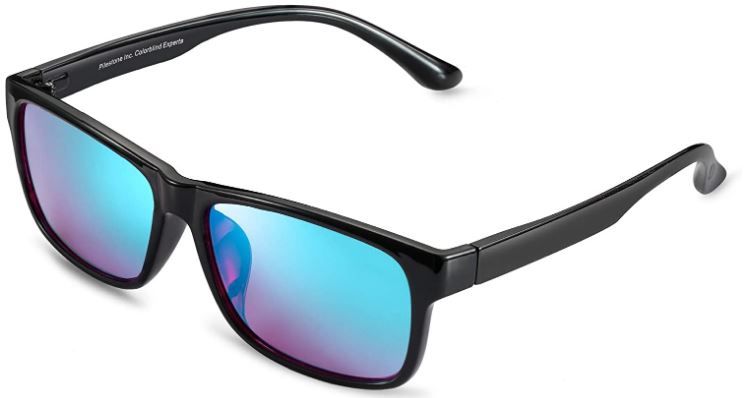
Product information
Our eyewear stands out in the market with its unique features designed to enhance your visual experience. Here's a detailed exploration of our glasses' key features, purchasing guidance, and return policy.
Exceptional TR90 Frame
The frame of our glasses is made from TR90, a thermoplastic material known for its durability and flexibility. This lightweight material ensures comfort while maintaining the product's robustness, making it an ideal choice for eyewear.
Superior Glass Lens
Our lenses are crafted from high-quality glass, providing superior optical clarity. The use of glass lenses ensures a crisp, distortion-free vision, making them an excellent choice for those who prioritize visual quality. prescription color blind glasses
Advanced Color Correcting Coating
One of our most innovative features is the color-correcting coating on our lenses. This technology enhances color perception, making it a game-changer for those struggling with color vision deficiencies.
Vision Insurance Coverage and Lens Selection
There's good news for those with vision insurance, as our glasses might be covered by your plan. To ensure optimal results, we recommend visiting our website to determine the lens type you need. Please avoid ordering a random lens type, as there's a 10-15% chance that our glasses may not work as intended, even if you pick the one suggested by our test.
Customer-Friendly Return Policy and Support
We stand behind our products, offering a 60-day return policy for complete peace of mind. Additionally, our customer representatives are readily available to assist you in selecting the right lenses and answering any queries you may have.

Durable frames and titanium-coated purple lenses. Water- and scratch-resistant. Built to last with strong materials. Lenses provide UV protection.

Some felt they were a bit too dark for indoors.
Our Thoughts - In general, it looks like color blindness correction glasses are not the same for all. After trying them, some people thought they were great because they found new colors, and others had no significant change.
Good
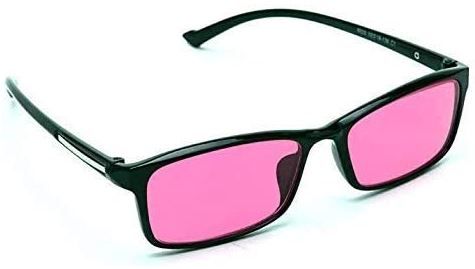
Product information
Our eyewear is crafted with precision and care to deliver an enhanced visual experience, especially for those struggling with red blindness. This article discusses the salient features of our glasses, their design origin, and their versatile use in various lighting conditions.
Robust TR90 Frames
The frames of our glasses are constructed from TR90, a thermoplastic material renowned for its durability and lightweight properties. The use of this material ensures our frames are not only robust but also comfortable for prolonged wear.
Premium Glass Lens with UV Protection
Our glasses feature high-quality glass lenses that provide superior optical clarity. To add an extra layer of protection, these lenses come with a UV Protection Coating. This coating safeguards your eyes against harmful ultraviolet rays while ensuring crisp, clear vision.
Designed in the USA for Red Blindness
Our eyewear is meticulously designed in the USA specifically to aid those with red blindness. It's important to note that actual results may vary depending on the wearer's condition, but our aim remains constant - to improve color perception and enhance visual experiences.
Advanced Light-Filtering Technology for Versatile Use
We understand the need for eyewear that adapts to different lighting conditions. Hence, all our glasses are equipped with advanced light-filtering technology. While they're primarily designed for bright environments, we've incorporated optimal indoor technology to help detect colors even in lower lighting conditions.
Ultra-Light and Durable Frames
In addition to the superior lens quality, our glasses boast ultra-light and durable TR90 frames. This ensures our eyewear is not just functional, but also comfortable and long-lasting.

Lightweight frames are comfortable to wear. Enhances subtle colors like pink. Improves blues, not just reds and greens.

Noticeable alteration of natural colors. Not suitable for epileptics.
Our Thoughts - Once one gets used to them, they are good and allow the colors to be seen with good clarity. Like all the other glasses reviewed, these are not for everyone.
Good
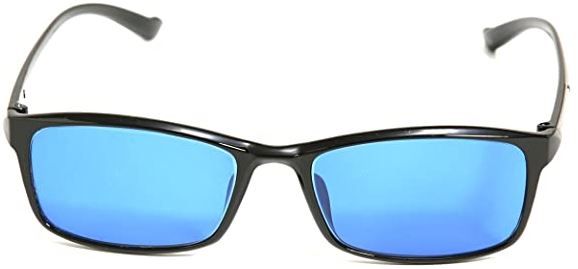
Product information
Our eyewear is designed with a focus on enhancing the visual experience, particularly for those dealing with blue color blindness. This article delves into the key attributes of our glasses, their usage, and the importance of taking a colorblindness test before purchase.
Durable Plastic Frame
The frames of our glasses are made from high-quality plastic, ensuring durability without compromising on comfort. This material choice strikes an excellent balance between strength and lightweight wearability, making it perfect for everyday use.
Composite Lens for Clear Vision
Our glasses come equipped with a composite lens. These lenses are non-polarized, providing clear vision without the glare reduction typically associated with polarized lenses. With a lens width of 12 centimeters, they offer a broad field of view for enhanced visual clarity.
Designed for Blue Color Blindness
Our eyewear is specifically designed to aid individuals with blue color blindness, both for indoor and outdoor use. It's important to note that color blindness varies amongst individuals, and our glasses are universally designed to cope with the most common conditions.
Pre-Purchase Colorblind Test
We recommend taking a colorblind test before purchasing our glasses. This is because there's a 10-15% chance that our glasses may not work as intended, even if you select the pair suggested by the test. This step ensures you choose the most suitable color-blind eyewear for your specific condition.
Customer-Friendly Return Policy and Support
We offer a 60-day free return policy in the US, giving you peace of mind with your purchase. For any questions or concerns, our customer representative is readily available to assist you, ensuring a seamless shopping experience.

Many wearers report an instant improvement in reds and greens. Sunglass-style frames are lightweight and stylish. Designed for the less common blue-yellow form of color blindness.

May not correct color blue blindness as promoted. Enhances reds but distorts other colors.
Our Thoughts - These glasses are good. Most of the time, people tend to get the wrong kind of color correction glasses and very quickly say, "They don't work".
Good
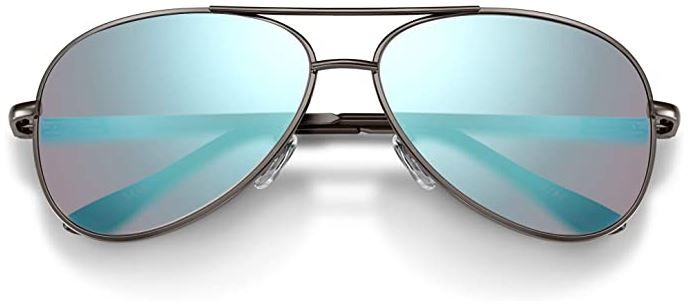
Product information
Our eyewear is meticulously crafted, blending superior materials and cutting-edge technology to enhance your visual experience. With its unique features and design, our glasses offer a remarkable blend of style and functionality.
Premium Quality Materials and Design
Our glasses feature a sturdy stainless steel frame that ensures durability and resilience. The lenses are made from high-quality resin, providing exceptional clarity. To further enhance your visual comfort, these lenses come with UV Protection Coating. This coating offers an added layer of protection against harmful UV rays, safeguarding your eyes while maintaining clear vision. With a lens width of 29 millimeters, our glasses promise a broad field of view for an optimal visual experience
Designed in the USA and Customer-Friendly Return Policy
Our eyewear is designed in the USA, leveraging the most advanced technology to deliver top-tier products. We understand that finding the right lens type may require some trial and error. Therefore, we offer a 60-day free return policy within the US. If a specific lens type doesn't meet your expectations, you're welcome to return it and try other lenses. Please note that orders returned outside of this period will not be accepted.
Ready Assistance From Our Customer Representatives
We prioritize customer satisfaction and are always ready to assist you with any questions or concerns. Our customer representatives are available to guide you through the process of selecting the right lenses or addressing any queries about our products.

Sleek metal frame. Built to last with quality materials. Hardened lenses are water- and scratch-resistant. Protects from UV rays. Many users feel these are very effective.

The frames were too small for some users. A little expensive, but if they work for you, these glasses are not expensive.
Our Thoughts - Great-looking aviator-style glasses. With two types of color blindness, one should check what glasses one needs before buying.
Good
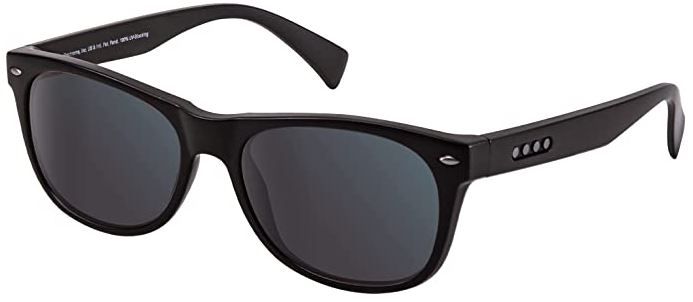
Product information
EnChroma is revolutionizing the eyewear industry with its innovative glasses designed specifically for color blindness. This article will elaborate on the unique features of these glasses, their design, and the science behind them.
Polycarbonate Frame for Durability
The frames of EnChroma's glasses are made from polycarbonate, a high-quality material known for its durability and lightweight properties. This ensures that the frames are not just robust but also comfortable for prolonged wear.
Proprietary Color-Enhancing Spectral Filter Lens
Our glasses feature proprietary color-enhancing spectral filter lenses. These lenses are non-polarized and come with an anti-reflective coating, providing superior optical clarity. With a lens width of 54 millimeters, they offer a broad field of vision for an enhanced visual experience.
Handcrafted Frames for Comfort and Style
Handcrafted in Italy, our classic frames are made with TR-90 material for durability and flexibility to retain their shape. They are lightweight and comfortable, offering a blend of sophistication and vibrant color perception. Each pair of glasses comes with a case for protection.
Designed Specifically for Deutan Color Blindness
Our glasses are specifically designed to correct Deutan color blindness, the most common type of red-green color blindness. Our Outdoor Deutan lens boosts greens and normalizes the red-green ratio, making colors more saturated and hundreds of hues distinguishable.
Built on Decades of Science
Unlike cheap knock-off color blind glasses, our patented lenses are built on more than a decade of research. They have been scientifically proven to activate your brain’s color vision processing, render whites and neutrals more accurately, increase contrast, deepen depth perception, and make your world more colorful.
Superior Optics with Exceptional Protection
EnChroma colorblind optics provide exceptional optical clarity and impact protection. They filter out 100% of harmful UVA and UVB light and are blue light blocking. The water-repellent, anti-scratch coating makes the lens durable and easy to clean.
100% Satisfaction Guarantee
We are confident in the performance of our smart eyeglasses for color blindness. That’s why we back up every purchase with our 60-Day Money Back Guarantee and 2-Year Warranty. EnChroma’s cutting-edge eyewear has proven itself to be the top performer in vision enhancement, improvement, corrective color differentiation, and customer satisfaction.

Provides optimum color and clarity. Lenses absorb UV rays and have an anti-reflective coating to reduce glare. Lenses repel water and dirt. Stylish frames.

A fairly pricey pick. They don't suit everyone with color blindness.
Our Thoughts - Apparently, it can take up to two weeks for the eyes to adjust to these glasses. We did find a difference with the sharpness of color when we put them on, but we are not color blind.
FAQs
Just how do color blindness adjustment glasses work?
Color blindness impacts the way the cones in your retina view wavelengths of light. In turn, your brain capacity to set apart between certain shades suffers. Color blindness modification glasses have actually tinted lenses that can get rid of particular wavelengths of light, so you can distinguish between colors a lot more conveniently.
Are there any side effects from putting on color blindness correction glasses?
You shouldn't experience any adverse effects from making use of color blindness modification glasses. If you observe that you're having a headache or experiencing eye stress, it might be a sign that you require an update to your vision prescription. Speak with an eye treatment professional to see to it you're utilizing the ideal glasses for your vision concerns.
Can one wear color-blind glasses all day?
Many people with color vision deficiencies are curious about the potential of these innovative eyewear solutions. From EnChroma to other brands on the market, color-blind glasses have opened up a new world of vibrant hues to those living with color deficiency or color blindness. But can they be worn all day? Let's delve into this question.
Understanding Color-Blind Glasses
Color-blind glasses are designed to enhance the color perception of individuals with color vision deficiencies. They work by filtering out specific light wavelengths, thus enabling the wearer to distinguish and perceive colors more accurately. However, it's important to note that these same colorblind glasses do not cure color blindness or provide completely normal color vision.
Wearing Color-Blind Glasses All Day: Is It Possible?
The simple answer is yes, one can wear color-blind glasses throughout the day. Some users even replace their regular glasses with Rx indoor EnChroma glasses1. For optimal effectiveness, it's suggested to wear the lenses for at least 10 hours in diverse situations over the course of 1-2 weeks.
However, it's crucial to remember that everyone's eyes are different, and your experience might vary. While some people might feel comfortable wearing these glasses all day, others may prefer only using them during specific activities where color differentiation is important.
Things to Consider
While it's possible to wear color-blind glasses all day, there are a few considerations to keep in mind:
1. Night Vision: Color-blind glasses might worsen night vision because they reduce the amount of light getting to the eye.
2. Driving: Most major manufacturers of color-blind glasses advise against wearing them while driving.
3. Adaptation Period: To experience the full effect of color-blind glasses, it's recommended to wear them for at least 8-10 hours a day for an adaptation period of 1-2 weeks.
Can one get prescription color-blind glasses?
While a majority of color-blind glasses may resemble sunglasses in appearance, they offer a variety of lens options including prescription lenses. If you have vision issues such as myopia, hypermetropia, or astigmatism, you can get color-blind glasses tailored to your specific eyeglass prescription.