
The best brake cleaner for most vehicle owners is a non-chlorinated aerosol brake cleaner that dissolves brake dust, oil, grease, and grime in seconds without leaving residue. Non-chlorinated formulas are safer to use, less toxic, and safer for painted surfaces and rubber components than older chlorinated versions. Expect to pay $4 to $10 per can, with a typical 14–19 oz can enough to clean all four wheels and brake components on most vehicles. For heavy-duty shop use, chlorinated brake cleaners cut grease faster but come with stricter ventilation and safety requirements.
Quick Picks:
- Best Overall → Non-chlorinated aerosol brake cleaner (safe for most surfaces, fast-evaporating)
- Best for Heavy Grease → Chlorinated brake cleaner (professional/shop use with ventilation)
- Best Low-VOC Option → Water-based or low-VOC brake cleaner (California-compliant, eco-friendly)
- Best Budget → Standard non-chlorinated spray can (under $5)
- Best for DIY Mechanics → Multi-pack of non-chlorinated cleaner (bulk value)
- Best for Painted Surfaces → Brake cleaner explicitly rated "safe on plastics and paint".
What Is Brake Dust and Why Does It Matter?
Brake dust is a fine, dark powder that builds up on wheels, brake components, and suspension parts every time you use your brakes. It's created by friction between brake pads and rotors (or brake shoes and drums on older vehicles) during normal braking.
What Brake Dust Is Made Of
Modern brake dust typically contains:
- Iron particles from rotor wear
- Carbon fibers from brake pad material
- Adhesives and resins that bind the pad material
- Metallic particles (copper, steel, or ceramic, depending on pad type)
Good news: Asbestos, lead, cadmium, mercury, and hexavalent chromium have been banned or phased out of brake pad manufacturing in the US, EU, and most developed markets. Modern brake dust is still a respiratory irritant, but it's significantly less hazardous than older formulations.
Why Brake Dust Is a Problem
- It's corrosive. Brake dust is hot and slightly acidic when generated. Left on wheels, it etches into the clear coat and causes permanent staining.
- It reduces braking performance. Excessive buildup on calipers, pads, and rotors can affect heat dissipation and cause squealing or uneven braking.
- It looks terrible. Dust accumulation turns even freshly detailed wheels into a dirty, gray mess within days.
- It's a respiratory irritant. Breathing in brake dust (especially when working on brakes in an enclosed space) can cause lung irritation.
What Is Brake Cleaner?
Brake cleaner is a specialized solvent designed to dissolve and flush away brake dust, oil, grease, and contaminants from brake components. It evaporates quickly and leaves no residue, which is critical for brake system performance (any residue can contaminate pads and reduce stopping power).
Two Main Types
| Type | Primary Solvent | Pros | Cons |
|---|---|---|---|
Chlorinated | Tetrachloroethylene (perc) or methylene chloride | Cuts grease aggressively, non-flammable | Higher toxicity, harsher on skin/lungs, banned in some states |
Non-chlorinated | Acetone, toluene, heptane, or similar | Safer to use, safer on plastics and painted surfaces | Flammable, may need more product for heavy grease |
Recommendation for most users: Non-chlorinated brake cleaner. It's safer, widely available, and handles 95% of cleaning tasks. Use chlorinated only in professional shops with proper ventilation.
Comparison Table: Brake Cleaner Types
| Feature | Non-Chlorinated | Chlorinated | Water-Based / Low-VOC |
|---|---|---|---|
Cleaning power | Strong | Very strong | Moderate |
Flammable? | Yes | No | No |
Safe on paint/plastic? | Usually yes (check label) | No, damages most plastics | Yes |
Toxicity | Moderate | High | Low |
Dries residue-free | Yes | Yes | Yes |
Legal in California (CARB-compliant)? | Depends on VOC level | Often restricted | Yes |
Price range | $4–$8 per can | $5–$10 per can | $6–$12 per can |
Key Features to Look For in a Brake Cleaner
1. Non-Chlorinated vs. Chlorinated
For DIY use, always choose non-chlorinated unless you specifically need chlorinated's aggressive grease-cutting power (usually only in a professional shop environment).
2. Fast Evaporation (Residue-Free Drying)
A good brake cleaner evaporates within 30 to 90 seconds and leaves no film or residue. This is non-negotiable—any residue on brake components can cause squealing, uneven pad wear, or reduced braking performance.
3. VOC Compliance
Volatile Organic Compounds (VOCs) are regulated in several US states—most notably California, where CARB (California Air Resources Board) limits VOC content in consumer products. If you live in California, New York, or other regulated states, look for CARB-compliant or low-VOC labels.
4. Surface Compatibility
Check the label for compatibility with:
- Rubber (brake seals, boots)
- Plastic (ABS sensors, wheel liners)
- Painted surfaces (if overspray is a concern)
Many non-chlorinated cleaners are safe on rubber and most plastics. Chlorinated cleaners typically damage plastics and painted surfaces.
5. Can Size and Spray Pattern
Standard cans run 14 to 19 oz. Look for:
- Dual-action nozzles (stream for precision, spray for coverage)
- Extension tubes (for targeted cleaning in tight spaces)
- High-pressure output (faster grime removal)
6. Price per Ounce
Buying in multi-packs (6 or 12 cans) can drop the cost from $7–$10 per can down to $3–$5 per can. If you maintain multiple vehicles or do regular brake work, bulk pricing is worth it.
How to Use Brake Cleaner Safely and Effectively
Safety First
- Wear safety glasses. Overspray in the eyes burns.
- Wear nitrile gloves. Brake cleaner dissolves skin oils and can irritate with repeated exposure.
- Work in a well-ventilated area. The outdoors is ideal. In a garage, open doors and windows. Use a respirator rated for organic vapors if working extensively.
- Keep away from open flames. Non-chlorinated brake cleaner is flammable. Do not use near cigarettes, pilot lights, welding equipment, or heat sources.
- Cover painted surfaces and rubber parts that aren't rated for exposure.
- Do not spray on hot brakes. Let components cool first. Spraying on a hot rotor can cause flash evaporation and create fumes, and chlorinated cleaners can produce phosgene gas when exposed to high heat.
Step-by-Step Cleaning Process
Cleaning Brake Components (During Brake Service)
- Jack up the vehicle and remove the wheel(s).
- Allow brakes to cool completely before spraying.
- Shake the can for 5–10 seconds.
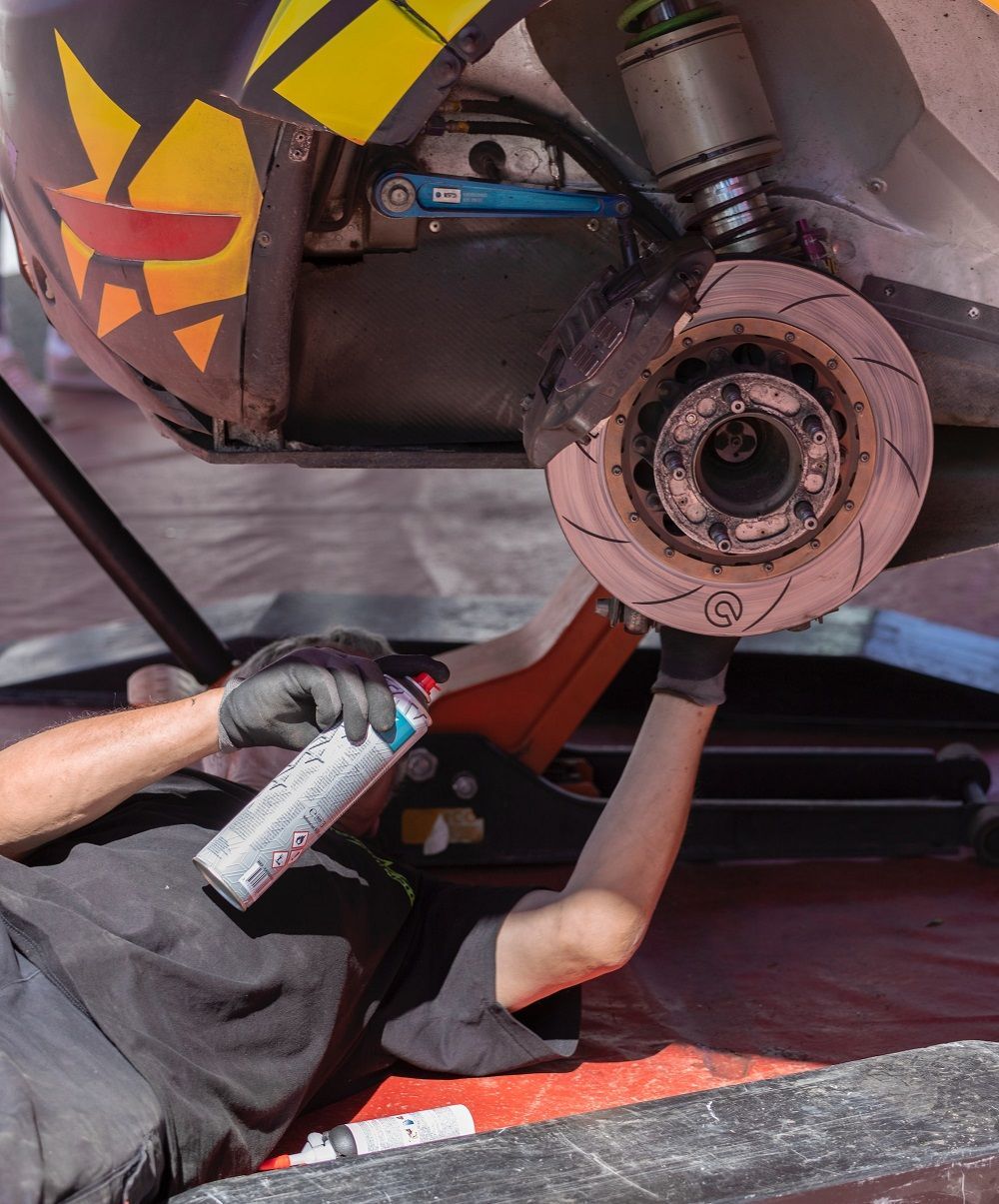
- Spray liberally on brake calipers, pads (if not being replaced), rotors, and dust shields.
- Let the cleaner flush dust and grime away. Use a catch pan underneath to collect runoff.
- Wipe stubborn areas with a clean rag or microfiber towel.
- Allow to fully evaporate (usually 60–90 seconds) before reassembling.
Cleaning Brake Dust from Wheels (Cosmetic)
Important: Brake cleaner is not ideal for regular wheel cleaning. It's too harsh for painted or coated wheels and can damage finishes. For routine wheel cleaning, use a dedicated pH-balanced wheel cleaner instead.
Only use brake cleaner on wheels when:
- Dealing with baked-on grease or tar that wheel cleaner can't remove
- Cleaning bare metal or uncoated wheels
- Spot-cleaning during a full brake service
Always test on a hidden area first.

Common Mistakes to Avoid
- Using chlorinated brake cleaner on plastics. It melts or discolors most plastics, including ABS sensor housings, wheel liners, and some suspension components.
- Spraying near painted surfaces without masking. Brake cleaner—especially chlorinated—can damage automotive paint and clear coat.
- Working in an enclosed space without ventilation. Fumes accumulate quickly and cause headaches, dizziness, and respiratory irritation.
- Spraying on hot brakes. Creates rapid fume buildup and, with chlorinated cleaners, can generate toxic phosgene gas.
- Using brake cleaner as a general-purpose degreaser. It's formulated specifically for brake components. For engine bay cleaning, wheel cleaning, or interior work, use purpose-built products.
- Assuming "non-toxic" means "completely safe." Non-chlorinated cleaners are safer than chlorinated ones, but they're still solvents. PPE and ventilation still matter.
- Breathing in brake dust while cleaning. Wear a dust mask or respirator. Never use compressed air to blow off brake dust—it aerosolizes particles and sends them straight into your lungs.
- Using the cleaner on rubber parts not rated for exposure. Check labels. Some cleaners degrade seals and boots with repeated contact.
When Should You Clean Your Brakes?
| Situation | Recommendation |
|---|---|
Routine brake service (pad/rotor replacement) | Always clean components with brake cleaner before reassembly |
Squealing brakes | Clean rotors and caliper hardware to remove glazing and contamination |
Heavy off-road or dusty driving | Clean brakes every 10,000–15,000 miles |
Normal daily driving | Brakes typically self-clean during use; dedicated cleaning only needed during service |
Before inspecting brake components | Clean first so you can see wear patterns and potential damage clearly |
Brake Cleaner vs. Other Degreasers
| Product | Best Use | Not Recommended For |
|---|---|---|
Brake cleaner | Brake components, bolts before threadlocker | Regular wheel cleaning, painted surfaces, plastics (chlorinated) |
Wheel cleaner | Wheels, tires, brake dust on finish | Internal brake components |
Engine degreaser | Engine bay, oil spills | Brake components (can leave residue) |
Carburetor cleaner | Carbs, throttle bodies | Brake components (different residue profile) |
Parts washer solvent | General shop degreasing | Quick clean tasks (not aerosol) |
Bottom line: Brake cleaner is specifically engineered to evaporate cleanly without leaving residue. Other degreasers may leave films that contaminate brake surfaces.
Health and Environmental Considerations (2026 Update)
Regulations on brake cleaner ingredients have tightened significantly over the past decade:
- Methylene chloride (found in some older chlorinated formulas) is now restricted for consumer use in the US under EPA TSCA regulations.
- Tetrachloroethylene (perc) is still used in some chlorinated cleaners but faces ongoing regulatory pressure.
- VOC limits have been adopted in California and several other states, pushing manufacturers toward reformulated low-VOC products.
- Water-based brake cleaners are increasingly available as a lower-toxicity alternative, though they work more slowly and may require more product to achieve the same cleaning.
If you're environmentally conscious or live in a regulated state, look for:
- CARB-compliant labeling
- Low-VOC or zero-VOC formulas
- Water-based or bio-based cleaners
How Much Should You Spend?
| Budget Tier | Price Range | What You Get |
|---|---|---|
Budget | $3 to $5 per can | Basic non-chlorinated, adequate for occasional DIY use |
Mid-range | $5 to $8 per can | Faster-evaporating, better spray nozzles, plastic-safe |
Premium / Specialty | $8 to $15 per can | Low-VOC, CARB-compliant, high-pressure output |
Bulk (6–12 pack) | $3 to $5 per can | Best per-unit value for regular users |
For most DIY mechanics, the $5 to $8 mid-range tier is the sweet spot. It's fast, reliable, plastic-safe, and widely available at any auto parts store.
Can we help? We've done the research for you and found the Best Brake Cleaner on Amazon. Every day, we read hundreds of reviews and try the highest-rated products we have on our list.
Best Brake Cleaner - Reviews
The Best
Product information
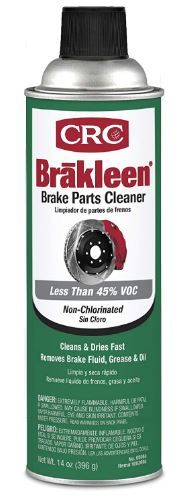
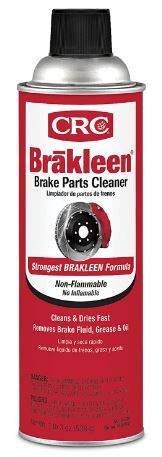
Introducing Brakleen, a superior brake parts cleaner designed to optimize the performance and longevity of your entire brake system. Cleaning and degreasing your brake parts is an essential maintenance task, and choosing the right product can make all the difference. While there are numerous non-chlorinated brake cleaners available, none can match the cleaning power and effectiveness that Brakleen guarantees.
Brakleen's excellence lies in its unique formula. This non-chlorinated concoction offers unmatched cleaning performance, especially in states requiring a VOC limit of 45% or less. The formula combines powerful cleaning agents that effortlessly cut through grime and contaminants, ensuring your brake system functions at its best.
Brakleen stands out for its effective brake cleaning capabilities. It cleans quickly and dries rapidly, eliminating contaminants from your parts without leaving any residue behind. It's expertly designed for use on a wide range of components, including ABS, brake discs, brake drums and cylinders, linings, calipers, brake shoes, clutch discs, brake pads, and more. With Brakleen, you can maintain every part of your brake system with ease.
What sets our product apart is its efficiency. Brakleen's formula is designed for power, meaning you require less product to dislodge dirt and grime from brake system components. This not only ensures a deep clean but also offers excellent value for money, as each can last longer.
Finally, let's talk about the product specifications. Brakleen is conveniently packaged in a 14 wt. oz. aerosol can, making it easy to apply. The can's design allows for precise application, ensuring you can reach every nook and cranny of your brake system. With Brakleen, keeping your brake system in top condition has never been easier.

The price is right for what it does. Like magic, it cleans and dries quickly.

Great product, but some cans were damaged, and the contents were missing. It smells a bit potent.
Our Thoughts - We selected this product because it's the best. It cleans any fluid or grease contaminants in any area of the vehicle.

Very Good
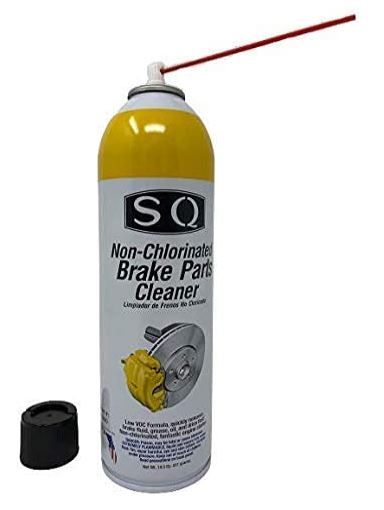
Product information
Introducing our non-chlorinated brake cleaner, a high-quality product designed to maintain the efficiency of your brake system. Each canister contains 14.5 ounces of our specially formulated cleaner, providing ample supply for your vehicle maintenance needs. This product is meticulously crafted to deliver superior cleaning performance and ensure the longevity of your brake components.
However, it's essential to note that this product is not available for use in certain states due to specific environmental regulations. These include California, Connecticut, Delaware, Maryland, New Hampshire, Rhode Island, and certain regions of Utah. We are committed to adhering to these regulations and appreciate our customers' understanding in this matter.
As with many cleaning products, our non-chlorinated brake cleaner is highly flammable. Therefore, it's crucial to handle it with care and keep it away from open flames and other heat sources. Always ensure that you use this product in a well-ventilated area and store it safely to prevent accidental ignition.
One of the standout features of our brake cleaner is its quick evaporation. Once applied, the cleaner works rapidly to dissolve grime and contaminants, then evaporates quickly, leaving no residue behind. This ensures a thorough clean without any additional cleanup, making your brake maintenance tasks more efficient and hassle-free.
Finally, we take great pride in stating that our non-chlorinated brake cleaner is made in the USA. By choosing our product, you're supporting local manufacturing and ensuring that you get a product that meets the highest quality standards. Trust us to provide a brake cleaner that delivers excellent results while adhering to safety and environmental guidelines.

Great value for the price. Excellent degreasing and does a very good job.

This is a great brake cleaner, but quality control needs to improve.
Our Thoughts - The one we tried didn't seem to have the pressure that others have. Could have been a one-off.

Good Value
Product information
Introducing the pioneer in brake parts cleaning. This innovative solution has set the industry standard for effective and efficient brake maintenance. Our brake parts cleaner is the original, a trusted choice among professionals and enthusiasts alike for its reliable performance.
Our product is expertly formulated to deliver swift and thorough cleaning. It's specifically designed to dissolve grease, brake dust, brake fluids, oils, and other contaminants that can hinder your brake system's performance. Whether it's brake parts, lining, or pads, our cleaner ensures every component is free from unwanted residue, contributing to the overall efficiency and longevity of your brake system.
However, due to specific state regulations, our brake parts cleaner cannot be sold for use in California or New Jersey. We adhere strictly to these guidelines and appreciate your understanding and cooperation. We are committed to providing our customers with top-quality products while respecting all local and national environmental regulations.
Another crucial feature of our brake parts cleaner is its non-flammable formulation. Unlike many cleaning products, our solution poses no fire risk, making it safer to use in various environments. This attribute contributes to the overall safety of your maintenance routine, giving you peace of mind during application.
Lastly, please note that this item is not available for sale on Catalina Island. We ensure our distribution aligns with all geographical regulations, providing our customers with high-quality, compliant products. Trust our original brake parts cleaner to deliver exceptional results while prioritizing safety and regulatory compliance.

No problem cleaning dirt and grease. Good price and works great.

Some cans arrived with a cracked cover or faulty nozzles. No straw to point at specific areas.
Our Thoughts - Cleans well and leaves parts dry. Can also be used for other parts in your vehicle.

Good
Product information
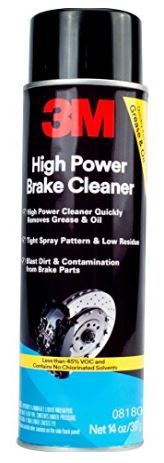
Our product offers a comprehensive solution for cleaning brake parts and assemblies, ensuring they function at optimum levels. What sets our cleaner apart is its ability to leave no residue behind, providing a thorough clean that enhances the performance and longevity of your brake system. With our cleaner, you can maintain your brake parts efficiently, ensuring they're always in top-notch condition.
One of the standout features of our cleaner is its large, ergonomic actuator. This design element ensures a high-powered stream, capable of removing even the toughest deposits. The actuator's design makes it easy to handle and control, allowing you to target specific areas effectively. With this feature, you can tackle stubborn grime with ease and precision.
Our cleaner is adept at dealing with a variety of contaminants. It effortlessly removes brake dust, solvents, greases, and oils, leaving your brake parts clean and ready for use. Its powerful cleansing action cuts through these pollutants, ensuring your brake system's components are free from elements that could hinder their performance.
Additionally, our cleaner's thorough cleaning action helps eliminate squeal and chatter, common issues faced by many brake systems. By getting rid of these problems, our cleaner enhances your vehicle's safety and performance. Its fast-drying formula further ensures efficiency, allowing you to get back on the road quicker.
Finally, please note that our product is intended for industrial or occupational use only. It's not available for consumer sale or use, aligning with regulations and ensuring the product is used in suitable environments. Trust our brake parts cleaner to deliver exceptional cleaning results, contributing significantly to your brake system's overall performance and safety.

It also does a good job on motorcycle brakes. Effective at cleaning oil, grease, and brake fluid off the rotors.

Some cans arrived without a nozzle. Some customers reported that for a reputable company like 3M, they expected better.
Our Thoughts - This is a good break cleaner. As expected, some small niggly issues.

Good
Product information
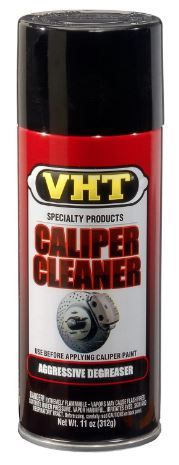
This product stands out for its remarkable ability to purge grease, oil, and dirt from various surfaces. These substances, commonly found in a multitude of environments, can often impede the functionality of mechanical parts. By using our cleaning solution, you can ensure these contaminants are effectively removed. This ensures the efficiency of your components, thereby extending their operational lifespan.
Another significant advantage of using our cleaner is that it promotes maximum paint adhesion. This feature is particularly beneficial for those looking to paint or coat surfaces. The cleaner works by creating an ideal surface for the paint to adhere to, resulting in a smoother, more even finish. By eliminating all traces of grease, oil, and dirt, our cleaner prepares your surfaces for optimal painting results.
The residue left behind by cleaning products can often be a nuisance, requiring additional cleanup. However, our solution is formulated to dry without leaving any film, ensuring a thorough and hassle-free cleaning process. Its quick-drying nature also allows you to proceed to the next steps of your work in less time, enhancing overall efficiency.
However, it's important to note that this product is not available for sale on Catalina Island due to specific regulations. We are committed to strictly adhering to all regional rules and standards, providing our customers with compliant, high-quality products. We appreciate your understanding and cooperation in this matter. Trust our cleaner to deliver outstanding, residue-free results, whether you're battling stubborn grime or prepping surfaces for paint.

Not only brakes, but it cleans other parts of the car also.

The nozzle tends to stop working, but it still has cleaner in the can. No Spray straw.
Our Thoughts - Not as popular as other brands, but it seems to degrease and clean well.

Good
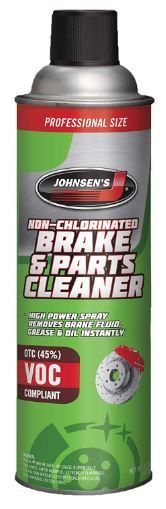
Product information
Our product stands as a powerful cleaning solution, designed to eliminate oil, grease, brake fluid, and other contaminants swiftly and efficiently. These substances can often compromise the functionality of your mechanical parts, leading to reduced performance and durability. By employing our cleaner, you ensure these impurities are effectively removed, leaving no residue behind. This results in an enhanced lifespan and efficiency of your components.
The versatility of our cleaner is another major advantage. It is suitable for use on all ABS, disc, and drum brakes. This broad compatibility makes it an invaluable asset for maintaining various types of braking systems. Regardless of the brake type you're dealing with, our cleaner delivers exceptional results, ensuring optimal performance and safety of your brakes.
Our cleaner boasts of its Original Formula, which is non-chlorinated. This feature ensures that it's safe for various materials and surfaces, reducing the risk of damage or discoloration. The non-chlorinated formula also makes our cleaner and environmentally friendly, aligning with efforts to reduce harmful emissions and promote sustainability.
Lastly, our product is non-flammable, making it a safe choice for your cleaning needs. This characteristic reduces the risk of fire hazards, providing you with a safer working environment. When using our cleaner, you can rest assured that you're not only getting a high-performance product but also one that prioritizes your safety. Trust our cleaner to deliver outstanding results, whether you're dealing with stubborn grime or maintaining your braking system.

It cleans other vehicle parts as well. Good product and cleans well.

Overpriced for what it does. Some customer reports say that this new cleaner is worse than the old one.
Our Thoughts - It's the last on the list, but it still does a good job. Some small issues may have been due to a bad batch.

FAQs: Brake Cleaners
I heard that brake cleaners can damage brake pads and shoe linings.
Simple answer, no! Brake cleaner is safe to use on brake pads and shoe linings.
Brake cleaner removes grease and accumulated brake dust that can damage brake pads and rotors.
Is it true that brake cleaner is good for cleaning electrical parts and connectors?
Simple answer, no! Brake cleaner chemicals can damage plastic connectors, wire insulation, and internal electronic components. If you need to clean electrical components and circuit boards, use an appropriate cleaner.
WD40 is great for almost everything, what about as a brake cleaner?
Simple answer, no, and no! Never, ever spray WD40, a lubricant, or lubricating cleaner on your brakes. Oils and greases, whatever brand or make, will permanently damage your brake pads, brake shoes, rotors, and drums, resulting in a horrible and dangerous reduction in brake efficiency and performance.
What is the difference between chlorinated and non-chlorinated brake cleaner?
Chlorinated brake cleaner uses solvents like tetrachloroethylene that cut grease aggressively and are non-flammable, but they're more toxic and can damage plastics and painted surfaces. Non-chlorinated brake cleaner uses solvents like acetone or heptane—they're flammable but safer on skin, lungs, and most surfaces. For DIY use, non-chlorinated is almost always the right choice.
Can I use brake cleaner on my wheels?
It's not ideal. Brake cleaner is too harsh for most painted or coated wheels and can damage the finish. Use a dedicated pH-balanced wheel cleaner for routine wheel cleaning. Save brake cleaner for brake components or stubborn contamination.
Is brake cleaner safe on rubber?
Most non-chlorinated brake cleaners are safe for brief contact with rubber seals and boots. Chlorinated brake cleaners can degrade rubber with extended or repeated exposure. Always check the label for specific compatibility.
How long does brake cleaner take to evaporate?
Most brake cleaners evaporate in 30 to 90 seconds. This fast evaporation is one of the key features—it ensures no residue is left on brake components.
Can I use brake cleaner on painted surfaces?
Short answer, yes! Chlorinated brake cleaner will damage paint and clear coat. Most non-chlorinated brake cleaners are safer, but prolonged contact can still damage finishes. Always mask-painted areas or use a product explicitly rated as "paint-safe."
Is brake cleaner flammable?
Non-chlorinated brake cleaner is flammable. Chlorinated brake cleaner is non-flammable but produces toxic fumes if exposed to high heat or flame. Never use any brake cleaner near open flames, sparks, hot exhaust, or smoking materials.
How much brake cleaner do I need for a full brake job?
Typically, one to two 14–19 oz cans for all four wheels, depending on how dirty the components are. A full pad-and-rotor replacement on all four corners often uses 1.5 to 2 cans.
Can brake cleaner damage brake pads?
No, brake cleaner is designed to be used on brake pads without damaging them. It removes contaminants (oil, grease, dust) that can otherwise reduce braking performance. In fact, cleaning new pads and rotors before installation is a common recommendation.
Is brake cleaner the same as carburetor cleaner?
No. Both are solvent-based aerosols, but they're formulated differently. Carburetor cleaner is designed for intake systems and often leaves a light film. Brake cleaner evaporates completely and leaves no residue—critical for brake system performance. Don't substitute one for the other.
Is brake cleaner bad for the environment?
Traditional brake cleaners—especially chlorinated formulas—contain VOCs that contribute to smog and pose groundwater risks if improperly disposed of. Modern low-VOC and water-based alternatives reduce these impacts. Always dispose of empty cans and used rags according to local hazardous waste regulations.
Do I need to rinse brake cleaner off?
No. Brake cleaner is designed to evaporate completely on its own, leaving no residue. Rinsing isn't necessary and defeats the purpose of a residue-free solvent.
Can brake cleaner cause brake fade?
No, brake cleaner doesn't cause brake fade. Brake fade is caused by overheated pads and rotors during aggressive or prolonged braking. Properly cleaned brakes actually help maintain consistent performance.
These other products may be of interest to you!
 Save With Reviews
 Save With Reviews
 Save With Reviews